Industrial lubes form the foundation of modern manufacturing operations, protecting machinery, extending tool life, and ensuring consistent production quality across metalworking facilities worldwide. From precision cutting operations to heavy-duty die casting processes, these specialized formulations prevent metal-to-metal contact, dissipate heat, and protect finished components from corrosion during storage and transit. Understanding the chemistry, application methods, and performance characteristics of industrial lubes enables engineers and plant managers to optimize their lubrication programs, reduce unplanned downtime, and achieve measurable cost savings through improved equipment reliability and enhanced product quality.
Understanding Industrial Lubes and Their Critical Functions
Industrial lubes serve multiple essential functions that directly impact production efficiency and equipment longevity. These formulations reduce friction between moving parts, minimize wear on cutting tools and dies, and carry away heat generated during high-speed machining operations. Proper lubrication practices prevent catastrophic equipment failures and extend machinery lifespan significantly.
The primary functions of industrial lubes include friction reduction, temperature control, contaminant removal, and corrosion protection. Friction reduction decreases energy consumption and prevents premature wear on bearings, gears, and sliding surfaces. Temperature control maintains optimal operating conditions and prevents thermal degradation of both the lubricant and the equipment components.
Modern industrial lubes also act as hydraulic fluids in certain applications, transmitting power efficiently while maintaining system cleanliness. The contaminant removal function proves particularly important in metalworking environments, where metal chips, grinding swarf, and other debris must be flushed away from the cutting zone to maintain surface finish quality and prevent damage to precision components.
Chemical Composition and Formulation Science
Industrial lubes consist of base oils combined with carefully selected additive packages that enhance specific performance characteristics. Base oils may be mineral-based, synthetic, or bio-based, each offering distinct advantages for different applications. Mineral oils provide cost-effective lubrication for general-purpose applications, while synthetic formulations deliver superior performance under extreme temperatures and pressures.
The Lubricant Additive Packages transform base oils into high-performance industrial lubes. These concentrated blends contain extreme pressure agents, anti-wear compounds, rust inhibitors, emulsifiers, and foam suppressants. The precise combination and concentration of these additives determine the lubricant's suitability for specific manufacturing processes.
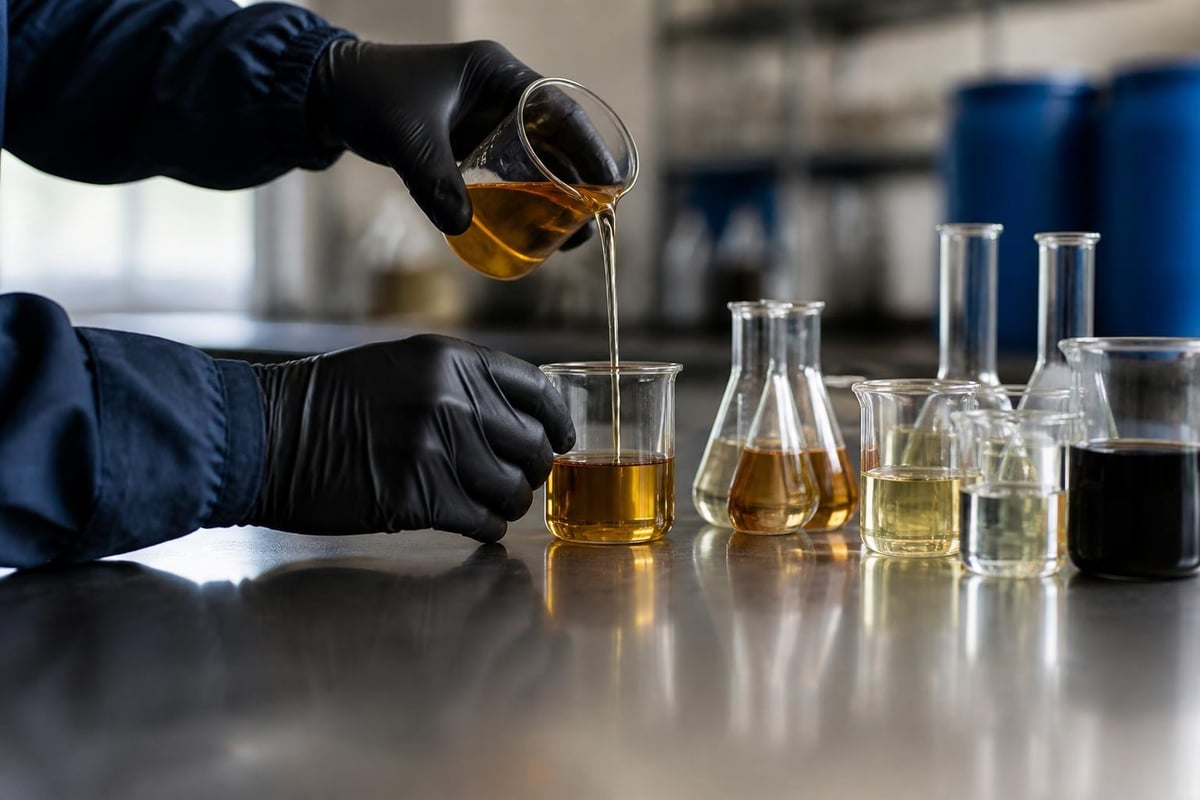
Formulators must balance multiple performance requirements when developing industrial lubes. A metalworking fluid needs excellent cooling capacity, lubricity to reduce tool wear, stability in hard water conditions, and biological resistance to prevent bacterial contamination. Achieving this balance requires deep understanding of additive chemistry and extensive application testing.
Base Oil Type | Temperature Range | Oxidation Stability | Cost Factor | Best Applications |
Mineral Oil | -10°C to 120°C | Moderate | Low | General machining, forming |
Polyalphaolefin (PAO) | -40°C to 150°C | Excellent | Medium-High | High-speed cutting, precision grinding |
Polyalkylene Glycol | -30°C to 180° | Very Good | High | High-temperature operations, synthetic fluids |
Ester-based | -20°C to 200°C | Good | High | Biodegradable applications, food-grade |
MetalWorking Fluids: The Cutting Edge of Industrial Lubes
Metalworking fluids represent a specialized category of industrial lubes designed specifically for cutting, grinding, and forming operations. These formulations must provide lubrication, cooling, chip removal, and corrosion protection simultaneously. The three main types include straight oils, soluble oils, and synthetic fluids, each suited to different machining requirements.
Straight cutting oils contain no water and deliver maximum lubricity for severe cutting operations like broaching, tapping, and gear hobbing. These industrial lubes excel in applications requiring superior surface finish and dimensional accuracy. However, their limited cooling capacity restricts their use in high-speed operations that generate substantial heat.
Soluble oils form emulsions when mixed with water, combining the lubricity of oil with the cooling capacity of water. These versatile industrial lubes suit a wide range of machining operations from turning and milling to drilling and sawing. The typical mixing ratio ranges from 3% to 10% concentrate in water, with higher concentrations providing better lubricity and lower concentrations emphasizing cooling performance.
Synthetic and Semi-Synthetic Metalworking Solutions
Synthetic metalworking fluids contain no petroleum oil, relying instead on chemical lubricants dissolved in water. These transparent or translucent solutions offer excellent cooling, superior cleanliness, and extended sump life compared to conventional emulsions. Synthetic formulations work particularly well for high-speed grinding operations where heat generation and wheel loading present significant challenges.
Semi-synthetic fluids bridge the gap between soluble oils and full synthetics, incorporating small amounts of mineral oil into a synthetic base. This hybrid approach delivers balanced performance across multiple machining operations while maintaining good visibility of the work zone. Manufacturing facilities often standardize on semi-synthetic industrial lubes to reduce inventory complexity and simplify coolant management.
The metalworking fluids portfolio must address diverse material requirements. Aluminum machining demands non-staining formulations that prevent galvanic corrosion, while cast iron processing requires robust lubricants that handle high chip loads and abrasive particles. Stainless steel cutting needs specialized extreme pressure additives to combat work hardening and built-up edge formation.
Performance monitoring ensures metalworking fluids maintain their protective properties throughout their service life. Regular testing of concentration, pH, bacterial contamination, and tramp oil levels prevents quality issues and extends fluid longevity. Implementing a systematic industrial lubrication program reduces costs and improves machining consistency.
Rust Preventive Industrial Lubes for Component Protection
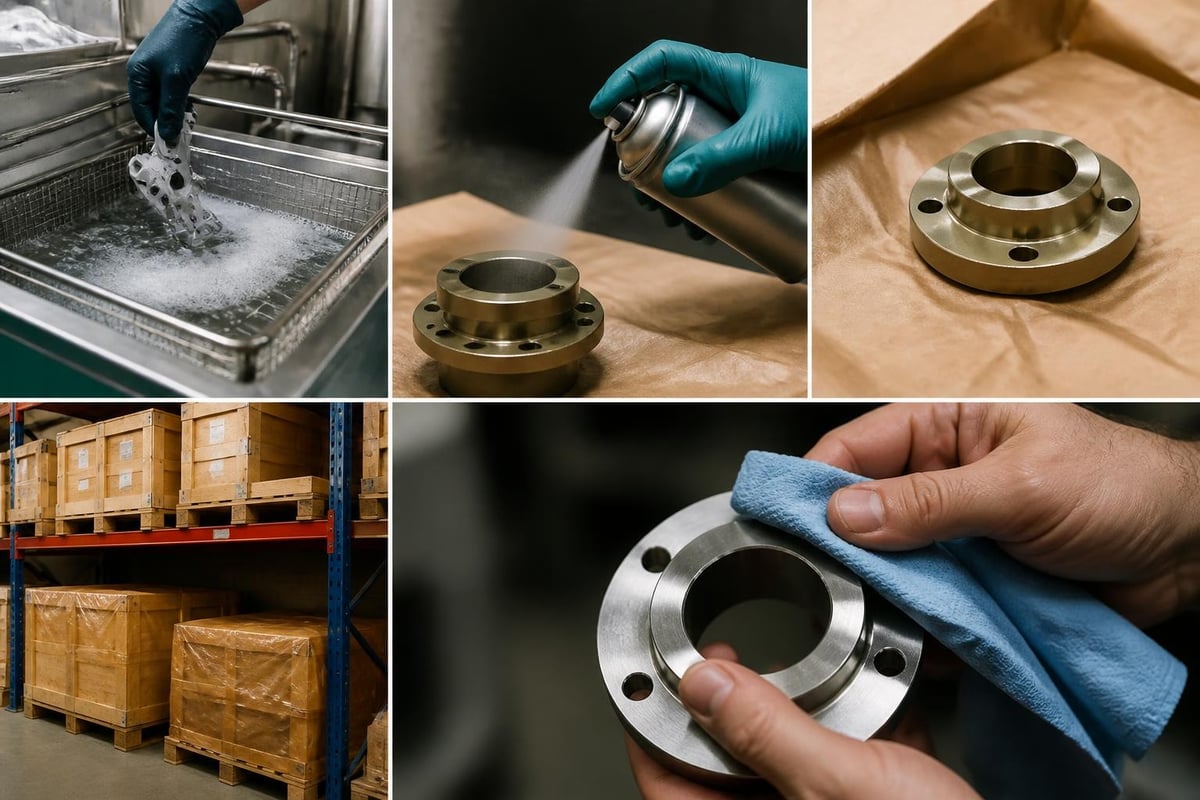
Corrosion protection represents a critical application for industrial lubes, particularly in facilities where finished parts require storage before assembly or shipment. Rust preventive oils form protective barriers on metal surfaces, displacing moisture and preventing oxidation during indoor storage or outdoor exposure. These specialized formulations must balance corrosion resistance with ease of removal before subsequent processing or assembly.
Solvent-based rust preventives provide thin, dry films that resist fingerprints and offer moderate protection for indoor storage periods ranging from three to twelve months. Oil-based formulations deliver thicker, more durable coatings suitable for extended storage or outdoor exposure. Water-displacing industrial lubes penetrate existing moisture films and establish protective barriers even on damp surfaces.
The selection of rust preventive industrial lubes depends on storage duration, environmental conditions, and subsequent processing requirements. Parts destined for painting or coating operations need easily removable films that won't interfere with surface preparation or adhesion. Components for direct assembly may use longer-lasting protective films that remain effective throughout extended supply chains.
Advanced Additive Packages for Corrosion Control
Modern rust preventive formulations rely on sophisticated Rust Preventive Additive Packages that deliver superior protection while meeting environmental regulations. Calcium-based and barium-based chemistries provide excellent salt spray resistance and water displacement properties. These concentrated additives blend readily with mineral oils and solvents, enabling formulators to create customized protection levels for specific applications.
The performance of rust preventive industrial lubes is typically evaluated through salt spray testing, humidity cabinet exposure, and actual field trials in representative environments. A quality formulation should prevent visible rust formation for the specified protection period while maintaining a thin, non-tacky film that doesn't interfere with handling or subsequent operations.
Application methods significantly impact protection effectiveness. Dipping ensures complete coverage of complex geometries, while spraying suits large flat surfaces and high-volume production. Some industrial lubes incorporate volatile corrosion inhibitors that provide vapor-phase protection in enclosed packaging, eliminating the need for direct surface contact.
Die Casting Release Agents as Specialized Industrial Lubes
Die casting operations require specialized industrial lubes that withstand extreme temperatures while preventing molten metal adhesion to die surfaces. Release agents form sacrificial barriers between the die and the casting, facilitating part ejection and extending die service life. These formulations must perform consistently through thousands of cycles while maintaining dimensional accuracy and surface finish quality.
Water-based release agents dominate modern die casting operations due to their excellent cooling capacity and environmental advantages. These dilutable concentrates mix with water at ratios ranging from 1:20 to 1:100, depending on alloy type, die temperature, and part complexity. Aluminum die casting typically uses lighter dilutions, while zinc and magnesium alloys may require more concentrated applications.
The application technique influences both part quality and die longevity. Automated spray systems deliver consistent coverage and precise film thickness, while manual application allows operators to adjust coverage based on specific die features. Proper application of these industrial lubes prevents soldering defects, reduces porosity, and minimizes die erosion in high-temperature zones.
Performance Requirements for High-Pressure Die Casting
High-pressure die casting subjects industrial lubes to severe thermal and mechanical stress. Release agents must withstand metal temperatures exceeding 650°C for aluminum alloys and establish effective barriers within the brief time between spray application and metal injection. Film stability under these extreme conditions determines casting success and die maintenance intervals.
Formulation chemistry balances multiple performance requirements including release efficiency, cooling capacity, lubricity, and environmental compliance. Silicone-based and synthetic polymer systems provide superior high-temperature performance, while traditional oil-based formulations offer cost advantages for less demanding applications. The trend toward water-based systems continues as environmental regulations tighten and manufacturers seek safer workplace conditions.
Die casting facilities often work with lubricant manufacturers to develop customized formulations addressing specific challenges. Part geometry, cycle time, alloy composition, and die material all influence the optimal release agent characteristics. This collaborative approach ensures industrial lubes deliver consistent performance while supporting continuous improvement in casting quality and operational efficiency.
Selection Criteria and Performance Testing Methods
Choosing appropriate industrial lubes requires systematic evaluation of operating conditions, equipment requirements, and performance objectives. Temperature range, load capacity, speed, contamination exposure, and material compatibility all influence lubricant selection. Understanding these parameters enables engineers to match lubricant properties with application demands, avoiding both under-specification and unnecessary premium product costs.
Load-carrying capacity proves critical in metalworking and heavy equipment applications. Industrial lubes must maintain protective films under extreme pressure conditions that would otherwise cause metal-to-metal contact and accelerated wear. Extreme pressure additives and anti-wear compounds enhance load capacity, but their concentration must be optimized to avoid adverse effects on other performance characteristics.
Compatibility testing prevents costly failures when introducing new industrial lubes into existing systems. Material compatibility evaluation checks for seal swelling, paint softening, and metallurgical effects. Mixing compatibility ensures new lubricants won't destabilize or precipitate when combined with residual products during changeover procedures.
Laboratory and Field Performance Evaluation
Standardized testing methods provide objective performance data for comparing industrial lubes. Four-ball wear testing measures anti-wear performance under controlled conditions, while Timken extreme pressure testing evaluates load-carrying capacity. Emulsion stability tests assess metalworking fluid performance in hard water, and rust prevention tests quantify corrosion protection effectiveness.
Field trials complement laboratory testing by exposing industrial lubes to actual operating conditions. Real-world evaluation reveals performance characteristics that laboratory tests cannot fully simulate, including compatibility with existing equipment, operator acceptance, and maintenance requirements. Successful field trials typically span several weeks to months, allowing sufficient time to assess sump life, tool wear rates, and surface finish consistency.
Many facilities adopt a comprehensive guide to industrial lubricant selection that incorporates equipment manufacturer recommendations, industry best practices, and internal operating experience. This structured approach reduces trial-and-error experimentation and accelerates the identification of optimal lubricant solutions for specific applications.
Performance Test | Measures | Typical Standar | Application Relevance |
Four-Ball Wear | Anti-wear protection | ASTM D4172 | General lubricity, tool life |
Timken OK Load | Extreme pressure capability | ASTM D2782 | Heavy cutting, forming |
Copper Corrosion | Non-ferrous compatibility | ASTM D130 | Aluminum/copper machining |
Salt Spray | Rust prevention duration | ASTM B117 | Storage protection |
Emulsion Stability | Hard water performance | Multiple methods | Coolant sump life |
Application Best Practices and Maintenance Programs
Effective industrial lubes application requires attention to cleanliness, proper mixing procedures, and consistent monitoring. Contamination from tramp oils, metal fines, and bacterial growth degrades lubricant performance and shortens service life. Implementing systematic maintenance procedures maximizes return on lubricant investment while ensuring consistent equipment protection.
Proper mixing procedures prove essential for water-dilutable industrial lubes. Always add concentrate to water rather than water to concentrate to ensure proper emulsification and prevent separation. Use clean, bacteria-free water at recommended temperatures, typically between 15°C and 25°C. Mixing ratios should match manufacturer specifications and application requirements, with adjustments based on measured concentration rather than volume calculations.
Storage conditions significantly impact industrial lubes shelf life and performance. Store containers in climate-controlled environments away from extreme temperatures, direct sunlight, and moisture exposure. Rotate inventory using first-in, first-out principles to ensure products are used within their recommended shelf life. Sealed containers prevent contamination and oxidation that compromise lubricant quality.
Monitoring and Maintenance Protocols
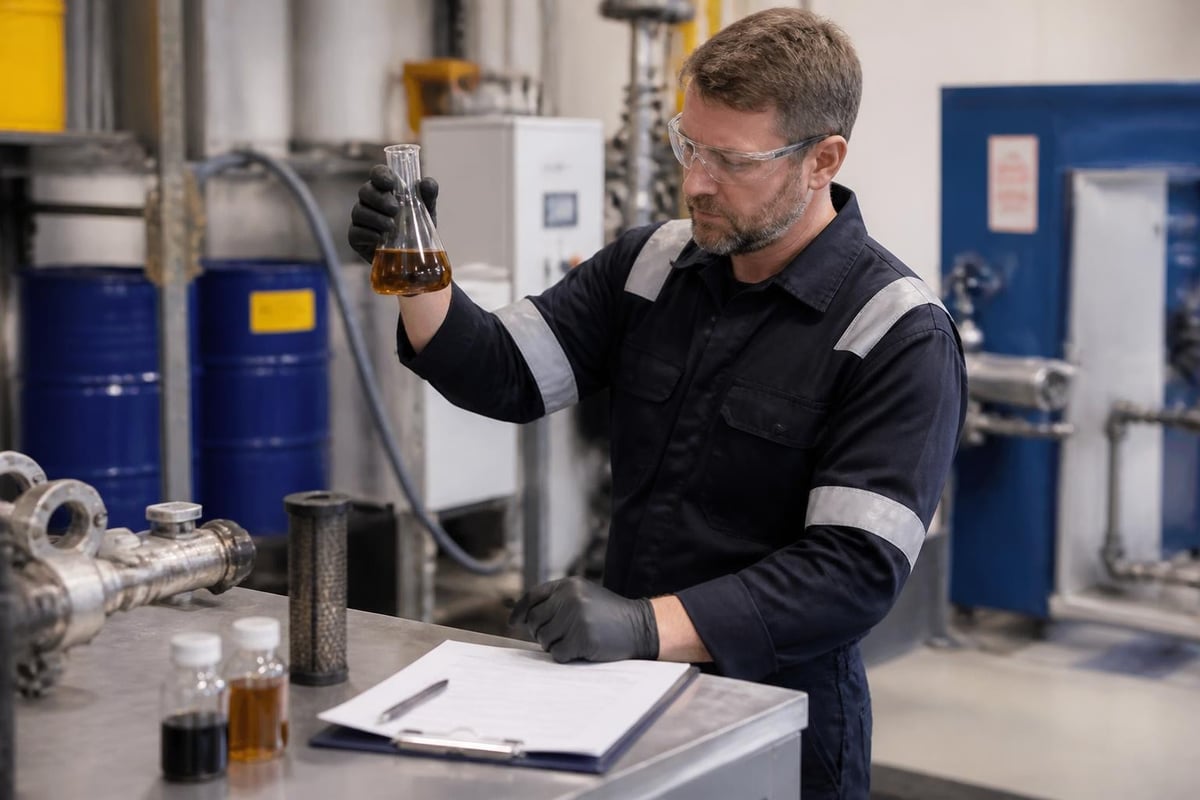
Regular monitoring detects performance degradation before it affects production quality or equipment reliability. Metalworking fluids require frequent testing of concentration, pH, bacterial levels, and tramp oil contamination. Rust preventive oils need periodic evaluation for water content, acidity, and protective film quality. Establishing testing schedules based on manufacturer recommendations and operational experience ensures timely corrective action.
Sump maintenance extends metalworking fluid life and reduces disposal costs. Removing tramp oils prevents bacterial growth and maintains emulsion stability. Skimmers, coalescers, and centrifuges separate unwanted oils from water-based industrial lubes. Regular removal of settled solids prevents anaerobic conditions that promote bacterial proliferation and offensive odors.
Documentation of lubrication best practices and maintenance activities supports continuous improvement initiatives. Recording concentration levels, pH measurements, bacterial counts, and makeup additions reveals trends that inform optimization opportunities. This data-driven approach enables proactive adjustments before minor issues escalate into production disruptions.
Environmental Considerations and Sustainability Trends
Environmental regulations increasingly influence industrial lubes formulation and application practices. Restrictions on hazardous substances, wastewater discharge limits, and waste disposal requirements drive development of more sustainable lubricant solutions. Bio-based formulations, reduced toxicity additives, and extended service life technologies address environmental concerns while maintaining performance standards.
Bio-based industrial lubes derived from vegetable oils offer renewable alternatives to petroleum products. These formulations provide excellent lubricity and biodegradability, reducing environmental impact in applications where lubricant loss or discharge occurs. However, oxidative stability and low-temperature performance may limit their suitability for certain demanding applications.
Waste reduction strategies focus on extending lubricant service life and improving recyclability. Advanced filtration systems remove contaminants from metalworking fluids, enabling extended sump life that reduces disposal volumes. Centralized coolant systems serving multiple machines optimize fluid management and simplify maintenance procedures. These approaches reduce both environmental impact and operating costs.
Regulatory Compliance and Safety Management
Compliance with occupational health and safety regulations protects workers while preventing regulatory violations. Industrial lubes must meet requirements regarding skin contact hazards, respiratory exposure limits, and emergency response procedures. Safety data sheets provide essential information for safe handling, storage, and disposal of lubricant products.
Worker exposure monitoring ensures metalworking environments maintain acceptable air quality levels. Mist collection systems capture airborne lubricant droplets generated during high-speed machining operations. Proper ventilation prevents accumulation of vapors and maintains comfortable working conditions. These protective measures support both regulatory compliance and workforce health.
Industrial lubricants serve as the backbone of modern manufacturing by preventing equipment failures and reducing maintenance costs. Selecting environmentally responsible formulations demonstrates corporate commitment to sustainability while meeting increasingly stringent regulatory requirements. This alignment of performance, safety, and environmental stewardship defines best-in-class lubrication programs.
Formulation Flexibility Through Additive Packages
Lubricant formulators increasingly rely on concentrated additive packages to develop customized industrial lubes for specific applications. These multi-functional blends combine extreme pressure agents, corrosion inhibitors, emulsifiers, and other performance-enhancing chemicals in optimized ratios. Formulators simply blend these packages with appropriate base oils to create finished products tailored to customer requirements.
The Metalworking Fluid Additive Packages approach offers significant advantages for regional blenders and private label manufacturers. Reduced inventory complexity, simplified quality control, and faster product development cycles enable responsive customer service and competitive pricing. This model supports both standard formulations and custom solutions addressing unique application challenges.
Additive package technology enables precise performance tuning without extensive reformulation efforts. Adjusting package treat rate modifies performance characteristics such as lubricity, foam control, and corrosion protection. Combining multiple packages creates hybrid formulations addressing complex multi-material machining requirements. This flexibility proves particularly valuable when serving diverse customer bases with varying equipment and operating conditions.
Quality Assurance in Additive-Based Formulation
Quality control procedures ensure consistent performance when formulating industrial lubes from additive packages. Incoming inspection verifies package specifications and checks for contamination or degradation during storage and transport. Blending procedures follow documented protocols specifying mixing sequences, temperatures, and agitation requirements. Finished product testing confirms that performance targets are achieved before release to customers.
Traceability systems track raw materials, production batches, and finished products through the supply chain. This documentation supports quality investigations, enables targeted recalls if necessary, and demonstrates compliance with customer specifications and regulatory requirements. Robust quality systems build customer confidence and support long-term business relationships.
Technical support from additive package suppliers enhances formulation success. Suppliers provide application expertise, troubleshooting assistance, and formulation guidance that accelerates product development and optimizes performance. This collaborative relationship between package manufacturers and lubricant blenders drives innovation in industrial lubes technology.
Advanced Applications and Emerging Technologies
High-performance machining operations push industrial lubes to their performance limits. Five-axis machining centers, high-speed spindles exceeding 40,000 RPM, and exotic alloys like titanium and Inconel demand advanced lubricant formulations. These applications require exceptional thermal stability, superior lubricity, and effective chip evacuation to maintain tool life and surface finish quality.
Minimum quantity lubrication systems represent a significant technological advancement in industrial tool maintenance and sustainability. These systems deliver micro-quantities of lubricant directly to the cutting zone, reducing consumption by 90% or more compared to conventional flood cooling. Specialized industrial lubes formulated for MQL applications provide concentrated lubricity without the cooling capacity of water-based fluids.
Dry machining eliminates lubricants entirely through specialized tooling, high-efficiency spindles, and advanced workpiece materials. While not suitable for all applications, dry machining offers environmental advantages and eliminates coolant-related costs. This approach works best for ferrous materials and operations where chip evacuation doesn't rely on fluid flushing.
Smart Lubrication and Industry 4.0 Integration
Sensor technology enables real-time monitoring of industrial lubes condition and automated replenishment systems. Conductivity sensors track metalworking fluid concentration, while optical sensors detect contamination levels. Integration with manufacturing execution systems triggers maintenance alerts and documents lubrication activities without manual data entry.
Predictive maintenance algorithms analyze lubrication data to forecast equipment failures before they occur. Trending of fluid properties, consumption rates, and contamination levels reveals degrading conditions that require intervention. This proactive approach minimizes unplanned downtime and optimizes maintenance resource allocation.
Automated lubrication systems ensure consistent application of industrial lubes to critical equipment. Progressive distributors, dual-line systems, and single-point lubricators deliver precise quantities at programmed intervals. These systems eliminate manual application errors and ensure equipment receives proper lubrication regardless of operator attention or experience.
Cost Optimization and Total Cost of Ownership Analysis
Evaluating industrial lubes solely on purchase price overlooks significant cost factors that influence total cost of ownership. Lubricant consumption rates, equipment uptime, tool life extension, and disposal costs all contribute to overall economic impact. A comprehensive analysis often reveals that premium lubricants deliver lower total costs despite higher initial prices.
Tool life improvements directly reduce operating costs by minimizing tool purchases and tool change downtime. Industrial lubes that extend cutting tool life by 20% generate substantial savings in high-volume production environments. Similarly, enhanced surface finish quality may eliminate secondary finishing operations, reducing labor and cycle time.
Energy consumption decreases when industrial lubes reduce friction and improve equipment efficiency. Lower friction coefficients require less power to perform equivalent work, reducing electricity costs in energy-intensive operations. Proper lubrication also prevents overheating that forces equipment deration or shutdown during high-temperature periods.
Disposal costs factor heavily into total cost calculations for water-based industrial lubes. Extended sump life reduces disposal frequency and associated costs for waste treatment or recycling. Formulations that resist bacterial contamination and emulsion breakdown maintain performance longer, maximizing the productive life of each coolant charge.
Cost Factor | Budget Product | Premium Product | Impact on Total Cost |
Initial Cost per Liter | $8 | $15 | Higher upfront |
Typical Sump Life | 3 months | 8 months | Fewer changeouts |
Tool Life Extension | Baseline | +25% | Reduced tooling costs |
Disposal Cost per Changeout | $500 | $500 | Fewer disposal events |
Annual Total Cost (example facility) | $18,400 | $14,200 | 23% savings overall |
Industry-Specific Requirements and Customization
Different manufacturing sectors impose unique demands on industrial lubes based on materials processed, precision requirements, and regulatory constraints. Aerospace machining requires lubricants that meet stringent cleanliness standards and leave no residue that could interfere with subsequent coating or bonding operations. Medical device manufacturing demands bio-compatible formulations that won't contaminate implantable components.
Automotive production facilities standardize industrial lubes across transfer lines and machining cells to simplify inventory and maintenance procedures. These high-volume environments prioritize consistent performance, long sump life, and compatibility with diverse materials including cast iron, aluminum, and hardened steels. Cost efficiency at scale drives formulation decisions in automotive applications.
Mold and die shops require versatile industrial lubes suitable for diverse operations ranging from rough electrical discharge machining to precision surface grinding. These job shops process various materials with different cooling and lubrication requirements, often preferring multi-purpose formulations that deliver acceptable performance across a broad application range. Effective lubrication programs in these environments balance performance with operational simplicity.
Regional Variations and Water Quality Considerations
Water quality significantly impacts the performance of water-dilutable industrial lubes. Hard water containing high concentrations of calcium and magnesium salts can destabilize emulsions and promote soap formation that reduces lubricity. Formulations for hard water regions incorporate robust emulsifier systems and hard water stabilizers that maintain performance despite challenging water conditions.
Seasonal temperature variations influence lubricant selection in facilities without climate control. Winter operations may require industrial lubes with lower pour points and improved cold-weather fluidity. Summer conditions demand enhanced thermal stability and oxidation resistance. Some facilities maintain separate summer and winter formulations to optimize performance throughout the year.
Local regulations regarding waste disposal, worker exposure limits, and environmental releases vary globally. Industrial lubes formulations must comply with applicable standards in their markets, which may restrict certain chemistries or mandate specific labeling and handling procedures. Global manufacturers develop regional variants that meet local requirements while maintaining core performance characteristics.
Optimizing industrial lubes selection, application, and maintenance delivers measurable improvements in equipment reliability, production quality, and operational costs across manufacturing facilities. Understanding the chemistry, performance characteristics, and best practices for these essential formulations enables engineers and plant managers to make informed decisions that enhance competitiveness and sustainability. Whether you need specialized metalworking fluids, rust preventive solutions, or customized additive packages, Guangzhou Rolitom Lubricant Technology CO.,LTD combines over 20 years of formulation expertise with comprehensive technical support to develop industrial lubes that meet your specific application requirements and performance objectives.
Contact: LilyLu
Phone: +86 138 2603 0637
E-mail: lilylu@rolitom.com
Whatsapp:+8613826030637
Add: Room 426, No.1218 Zhongshan Avenue Middle, Tianhe District, Guangzhou City,China
We chat