Industrial manufacturing depends on specialized lubricants to maintain efficiency, protect equipment, and ensure product quality. From high-speed machining centers to precision die casting operations, lubricants for industry serve as the foundation of reliable production processes. Understanding the different types, selection criteria, and performance characteristics of industrial lubricants helps manufacturers optimize their operations while reducing costs and environmental impact.
Understanding Lubricants for Industry Categories
Industrial lubricants encompass a broad range of formulations designed for specific manufacturing applications. Unlike automotive or consumer lubricants, these specialized products must withstand extreme pressures, temperatures, and chemical environments while meeting strict regulatory requirements.
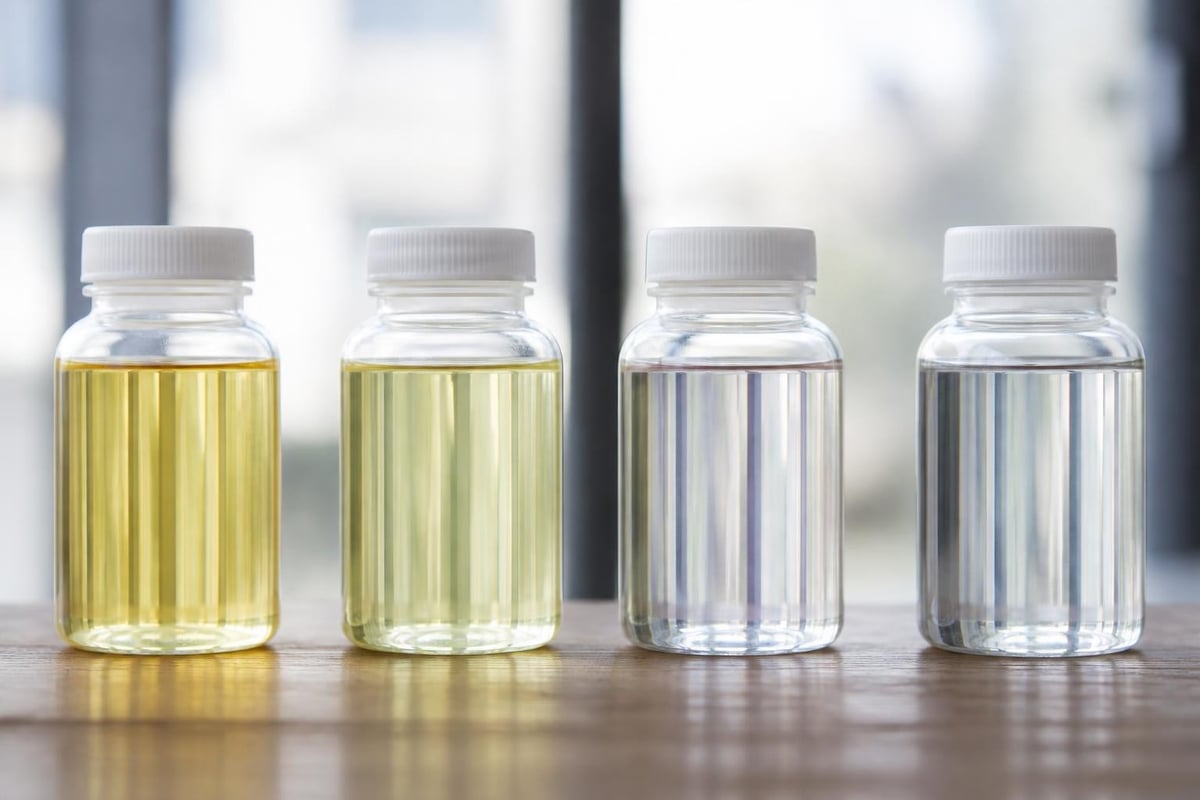
MetalWorking Fluids represent one of the largest categories of lubricants for industry, serving critical roles in cutting, grinding, and forming operations. These fluids reduce friction between tools and workpieces, dissipate heat generated during machining, and flush away metal chips. Modern metalworking fluids are classified into four main types:
Straight cutting oils (neat oils)
Soluble oils (emulsifiable concentrates)
Semi-synthetic fluids
Fully synthetic fluids
Each formulation offers distinct advantages depending on the metal being processed, machining operation, and environmental considerations. Semi-synthetic and fully synthetic options have gained popularity due to their superior cooling properties and longer service life compared to traditional soluble oils.
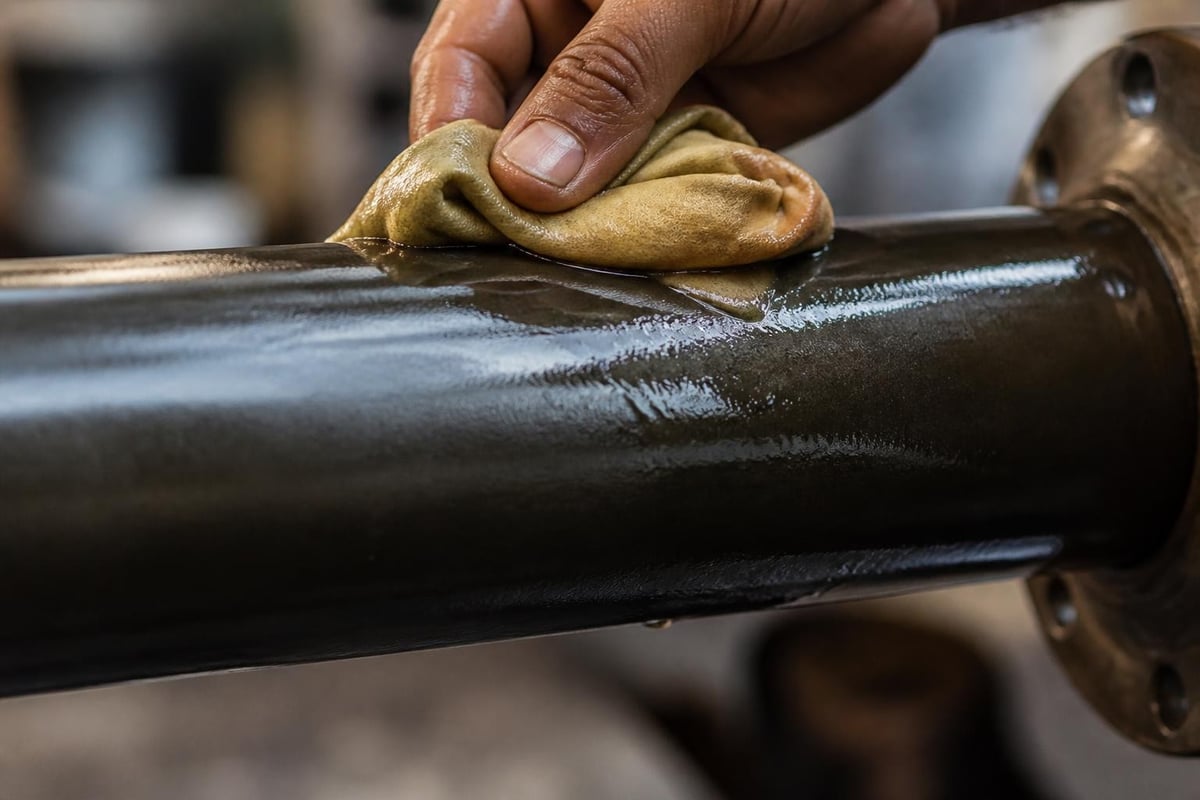
Rust preventive oils protect finished metal parts and components during storage, transportation, and inter-process handling. These specialized lubricants for industry form protective barriers that prevent moisture and oxygen from reaching metal surfaces. Different formulations provide varying protection periods, from short-term indoor storage to extended outdoor exposure. Understanding Rust Preventive Additive Packages helps manufacturers select appropriate protection levels for their specific applications.
Lubricant Additive Packages allow formulators and blenders to create customized solutions for specific industrial applications. These concentrated chemical blends contain extreme pressure agents, anti-wear compounds, corrosion inhibitors, and other performance-enhancing additives. Manufacturers can develop tailored formulations by combining additive packages with appropriate base oils.
Key Performance Requirements for Industrial Applications
Selecting appropriate lubricants for industry requires careful evaluation of multiple performance criteria. The Plant Engineering 2024 Lubrication Guide emphasizes that proper lubricant selection directly impacts equipment reliability and production efficiency.
Metalworking Performance Parameters
Extreme pressure and anti-wear properties determine how effectively a lubricant protects tooling and workpieces under high loads. Machining operations generate intense pressures at the tool-chip interface, requiring lubricants that form protective chemical films. These films prevent metal-to-metal contact, reducing tool wear and improving surface finish quality.
Performance Factor | Straight Oils | Soluble Oils | Semi-Synthetic | Fully Synthetic |
Lubricity | Excellent | Good | Very Good | Good |
Cooling Capacity | Fair | Good | Very Good | Excellent |
Visibility | Poor | Fair | Good | Excellent |
Biological Stability | Excellent | Fair | Good | Very Good |
Cost per Dilution | High | Low | Medium | Medium-High |
Cooling efficiency becomes critical for high-speed operations and difficult-to-machine materials. Synthetic and semi-synthetic fluids excel at heat removal due to their water content, enabling faster cutting speeds and longer tool life. The formulation must balance cooling performance with adequate lubrication for the specific machining process.
Biological stability affects fluid service life and worker health. Water-based metalworking fluids can support bacterial and fungal growth, leading to unpleasant odors, reduced performance, and potential dermatological issues. Quality metalworking fluids incorporate biocides and proper pH control to maintain biological stability throughout their service life.
Corrosion Protection Standards
Industrial rust preventives must meet stringent performance standards to ensure adequate protection. The salt spray test (ASTM B117) provides standardized evaluation of corrosion resistance, with protection periods ranging from 24 hours to over 1000 hours depending on formulation.
Water displacement capability determines whether a rust preventive can protect metal surfaces contaminated with residual water or moisture. This property is essential for parts transitioning from water-based machining operations to storage or assembly. Effective rust preventives penetrate beneath water films and displace moisture from metal surfaces.
Film characteristics vary based on application requirements. Thin-film preventives leave minimal residue that may not require removal before assembly or painting. Thick-film products provide extended protection but typically require cleaning before subsequent operations. Manufacturers select film types based on storage duration, environmental exposure, and downstream processing requirements.
 Formulation Strategies with Additive Packages
Professional lubricant blenders and formulators rely on concentrated additive packages to develop customized lubricants for industry. This approach offers flexibility to meet specific customer requirements while maintaining consistent quality and performance.
Metalworking Additive Technology
Modern metalworking additive packages contain sophisticated chemistry designed to address multiple performance requirements simultaneously. Extreme pressure agents such as sulfur, phosphorus, and chlorine compounds form protective films under high-pressure conditions. However, environmental regulations increasingly restrict chlorine-containing additives, driving development of chlorine-free alternatives.
Emulsifiers and coupling agents enable stable mixtures when water-based concentrates are diluted. Poor emulsion stability leads to separation, reduced corrosion protection, and inconsistent machining performance. High-quality metalworking fluid additive packages deliver stable emulsions across varying water hardness levels, a critical consideration for operations using municipal water supplies.
Formulators developing customized metalworking fluids should consider additive packages that enhance multiple performance characteristics while simplifying inventory management. Premium packages combine lubricity boosters, corrosion inhibitors, biocides, and foam control agents in balanced formulations.
Foam control represents an often-overlooked but critical performance factor. Excessive foam interferes with coolant delivery, reduces visibility, and can cause machine malfunctions. Different machining operations generate varying foam tendencies based on fluid recirculation rates, spray pressures, and exposed surface areas.
Rust Preventive Formulation Approaches
Rust preventive formulations balance multiple chemistry considerations including base oil selection, inhibitor type, film thickness, and environmental compliance. Traditional barium-based inhibitors provide excellent performance but face restrictions in some markets due to heavy metal content.
Calcium-based alternatives offer comparable protection without barium or other restricted heavy metals. These formulations maintain excellent salt spray performance while meeting evolving environmental regulations. Suppliers offering both barium and calcium options provide flexibility for global operations with varying regulatory requirements.
The base oil significantly impacts rust preventive performance and application characteristics. Low-viscosity base oils enable thin-film application and easy removal, while higher-viscosity products provide thicker protective barriers suitable for extended storage. Formulators can adjust viscosity by blending different base oils or incorporating solvent carriers that evaporate after application.
Application-Specific Selection Guidelines
Different industrial processes require lubricants for industry with distinct performance profiles. Matching lubricant characteristics to application requirements optimizes both product performance and cost-effectiveness.
Machining Operations
General purpose machining of carbon steel, cast iron, and low-alloy steels typically performs well with soluble oil or semi-synthetic formulations. These products provide balanced lubrication and cooling at reasonable cost. Dilution ratios typically range from 3% to 10% depending on operation severity and machine specifications.
Aluminum and non-ferrous machining requires specialized chemistry to prevent staining and corrosion. Aluminum reacts with certain metalworking additives, causing discoloration or surface damage. Non-ferrous formulations incorporate appropriate inhibitor packages and maintain proper pH levels to protect sensitive materials. For manufacturers processing both ferrous and non-ferrous metals, separate fluid systems prevent cross-contamination.
Grinding operations generate significant heat and require excellent cooling capacity. Fully synthetic grinding fluids provide superior heat removal and cleanliness compared to oil-based products. The transparent fluid enables operators to clearly see the grinding zone, improving precision and quality control. Additional information on specialized grinding formulations is available through ROLITOM's technical resources.
Die Casting Release Applications
Die casting operations require specialized release agents that prevent molten metal adhesion while withstanding extreme temperatures. Water-based release agents have largely replaced solvent-based products due to environmental and safety advantages. These formulations create uniform separating films on die surfaces, improving casting quality and extending die service life.
Aluminum die casting represents a major application for industrial release agents. The molten aluminum contacts die surfaces at temperatures exceeding 1200°F, requiring heat-stable release chemistry. Effective products minimize buildup on die surfaces, reducing cleaning frequency and production downtime. Die Casting Release Agents must also support rapid heat extraction to maintain cycle times while preventing casting defects.
Application methods significantly impact release agent performance. Modern systems utilize precise spray patterns and controlled dilution ratios to optimize film formation. Automatic spray systems provide consistent coverage and reduce variability compared to manual application. Proper dilution control ensures adequate lubrication without excessive buildup.
Environmental and Regulatory Considerations
Modern lubricants for industry must meet increasingly stringent environmental regulations while maintaining performance standards. These requirements affect formulation chemistry, disposal procedures, and workplace safety protocols.
Regulatory Compliance Requirements
Hazardous substance restrictions vary by region but generally limit or prohibit certain heavy metals, chlorinated compounds, and other toxic materials. European REACH regulations, California Prop 65, and similar frameworks worldwide require disclosure of hazardous substances and restrict specific chemicals. Manufacturers sourcing lubricants globally should verify compliance with applicable regulations in all operating locations.
Wastewater discharge limits affect water-based metalworking fluids that eventually require disposal. Used coolants often contain elevated levels of metals, oils, and chemical additives that must be managed appropriately. The EPA provides guidance on managing used oil and metalworking fluids to ensure environmental compliance.
Some facilities operate closed-loop coolant recycling systems that extend fluid life while reducing disposal volumes. Advanced filtration and separation technologies remove contaminants, allowing water-based fluids to remain in service significantly longer than traditional change-out schedules.
Worker Health and Safety
Dermatological effects represent the most common health concern with industrial lubricants. Prolonged or repeated skin contact can cause irritation, allergic reactions, or more serious conditions. Modern formulations minimize sensitizing agents and incorporate skin-friendly chemistry. Proper personal protective equipment and good hygiene practices remain essential regardless of fluid formulation.
Respiratory exposure primarily affects operations using oil mists or spray applications. Adequate ventilation systems and mist collectors protect workers from inhalation hazards. Water-based fluids generally generate less airborne contamination than neat oils, providing safety advantages in enclosed machining environments.
Bacterial contamination in water-based metalworking fluids can produce endotoxins and other harmful byproducts. Regular monitoring of bacterial levels and proper biocide management maintain fluid quality and protect worker health. Fluid maintenance programs should include periodic testing, concentration monitoring, and pH control to prevent biological growth.
The complete lifecycle of industrial lubricants from formulation and application through performance monitoring, maintenance programs, and environmentally responsible disposal or recycling
Maintenance and Monitoring Programs
Implementing systematic maintenance programs maximizes the return on investment from lubricants for industry while ensuring consistent performance. Proactive monitoring identifies problems before they impact production or equipment reliability.
Metalworking Fluid Management
Concentration control represents the single most important maintenance task for water-based metalworking fluids. Too-dilute mixtures provide inadequate lubrication and corrosion protection, while over-concentrated fluids waste material and may cause residue problems. Refractometer testing enables quick, accurate concentration measurements that guide makeup additions.
Daily concentration checks at each machine or central system
pH monitoring to detect biological contamination or chemical degradation
Regular fluid level inspection and top-up procedures
Tramp oil removal using skimmers or coalescers
Periodic microbiological testing for bacteria and fungi
Fluid cleanliness directly impacts performance and service life. Fine filtration removes particulates that accelerate tool wear and degrade surface finish. Some operations employ centrifugal separators or magnetic filtration for heavy contamination levels. Clean fluids reduce skin irritation and improve machine cleanliness.
System cleaning between fluid changes prevents cross-contamination and biological carryover. Specialized cleaning compounds remove residual oils, metal fines, and bacterial biofilms from sumps and recirculation systems. Thorough cleaning extends new fluid life and prevents rapid degradation.
Rust Preventive Application Control
Film thickness verification ensures adequate protection without excessive material consumption. Too-thin application leaves unprotected areas, while over-application wastes product and may interfere with subsequent operations. Dip or spray application systems require periodic calibration to maintain consistent coverage.
Storage environment management affects how long rust preventives provide effective protection. Climate-controlled facilities with low humidity extend protection periods significantly compared to outdoor or high-humidity environments. Parts stored outdoors require heavier film weights and more robust inhibitor chemistry.
Quality assurance procedures should include periodic salt spray testing of protected parts to verify actual protection performance. Testing validates that application procedures and product selection provide intended protection levels.
Future Trends in Industrial Lubrication
The industrial lubricants sector continues evolving in response to technological advances, environmental pressures, and changing manufacturing requirements. Understanding emerging trends helps manufacturers prepare for future developments.
Bio-based lubricants made from renewable feedstocks are gaining market share in certain applications. Vegetable oil-based metalworking fluids offer excellent lubricity and biodegradability, though thermal stability limitations restrict use in high-temperature applications. Continued chemistry development addresses performance gaps compared to petroleum-based products.
Minimum quantity lubrication (MQL) systems apply micro-droplets of lubricant directly at cutting zones, dramatically reducing fluid consumption. MQL works well for certain operations but requires compatible tooling and machine design. This approach minimizes waste disposal costs and environmental impact while maintaining machining performance.
Extended life formulations incorporate advanced additive technology and superior base oils to achieve dramatically longer service intervals. Some synthetic metalworking fluids now demonstrate viable performance beyond two years in well-maintained systems. Longer fluid life reduces disposal costs, minimizes production interruptions, and improves total cost of ownership. Technical guidance from organizations like the National Lubricating Grease Institute helps establish best practices for various lubrication applications.
Smart monitoring systems use sensors and predictive analytics to optimize fluid management. Automated concentration control, bacterial monitoring, and performance trending enable proactive maintenance. Internet-connected systems can alert maintenance personnel to developing problems and recommend corrective actions. These technologies reduce labor requirements while improving fluid performance consistency.
Cost Optimization Strategies
Managing lubrication costs requires balancing product price, consumption rates, and total operational impact. The lowest-price lubricant rarely delivers the best total value when considering all factors.
Total Cost Analysis
Product cost per unit represents only one component of total ownership cost. Dilutable concentrates appear expensive until calculated on a per-gallon-of-working-fluid basis. A premium concentrate diluted at 5% costs significantly less per gallon than a budget product requiring 10% concentration for equivalent performance.
Consumption and waste rates vary substantially between products. Longer-life fluids reduce disposal costs, change-out labor, and production downtime. Low-evaporation formulations minimize makeup additions in open-system applications. These factors often outweigh initial product cost differences.
Cost Factor | Budget Product | Premium Product | Impact |
Purchase Price | $12/gallon | $18/gallon | +50% |
Dilution Ratio | 1:10 | 1:20 | -50% cost |
Service Life | 6 months | 18 months | -67% changes |
Tool Life Impact | Baseline | +25% | Lower tooling cost |
Total Cost Index | 100 | 72 | 28% savings |
Tooling and equipment costs respond directly to lubricant performance. Extended tool life from superior metalworking fluids reduces cutting tool expenditures, one of the largest variable costs in machining operations. Better lubrication also reduces wear on machine components, lowering maintenance requirements.
Inventory Rationalization
Manufacturers often maintain excessive lubricant inventory due to accumulated product specifications over time. SKU consolidation programs identify opportunities to reduce inventory while maintaining performance. Modern universal formulations often perform adequately across multiple applications previously requiring specialized products.
Custom formulation services from experienced suppliers like Guangzhou Rolitom Lubricant Technology CO.,LTD enable development of application-optimized products that replace multiple standard grades. This approach provides performance advantages while simplifying inventory management and reducing procurement complexity.
Standardizing on fewer, better-performing lubricants for industry reduces training requirements, minimizes application errors, and simplifies maintenance procedures. Cross-functional teams including production, maintenance, and purchasing should collaborate on consolidation initiatives to ensure all requirements are addressed.
Selecting and managing lubricants for industry requires understanding product chemistry, application requirements, and total cost implications. Performance optimization depends on matching lubricant characteristics to specific operations while implementing proper maintenance procedures. Guangzhou Rolitom Lubricant Technology CO.,LTD brings over 20 years of experience developing specialized metalworking fluids, rust preventive oils, and additive packages tailored to demanding industrial applications. Their technical team works directly with manufacturers to formulate customized solutions that optimize performance while reducing total ownership costs.
Contact: LilyLu
Phone: +86 138 2603 0637
E-mail: lilylu@rolitom.com
Whatsapp:+8613826030637
Add: Room 426, No.1218 Zhongshan Avenue Middle, Tianhe District, Guangzhou City,China
We chat