Metal corrosion costs the global manufacturing sector billions of dollars annually, impacting equipment longevity, product quality, and operational efficiency. For metalworking facilities, machine shops, and die-casting operations, protecting ferrous and non-ferrous components from oxidation is not optional but essential. A rust inhibitor serves as the primary defense mechanism, creating chemical barriers that prevent moisture, oxygen, and contaminants from initiating corrosion on vulnerable metal surfaces. Understanding how these specialized additives function, their chemistry, and proper application protocols can dramatically extend equipment life while reducing maintenance costs and production downtime.
Understanding Rust Inhibitor Chemistry and Mechanisms
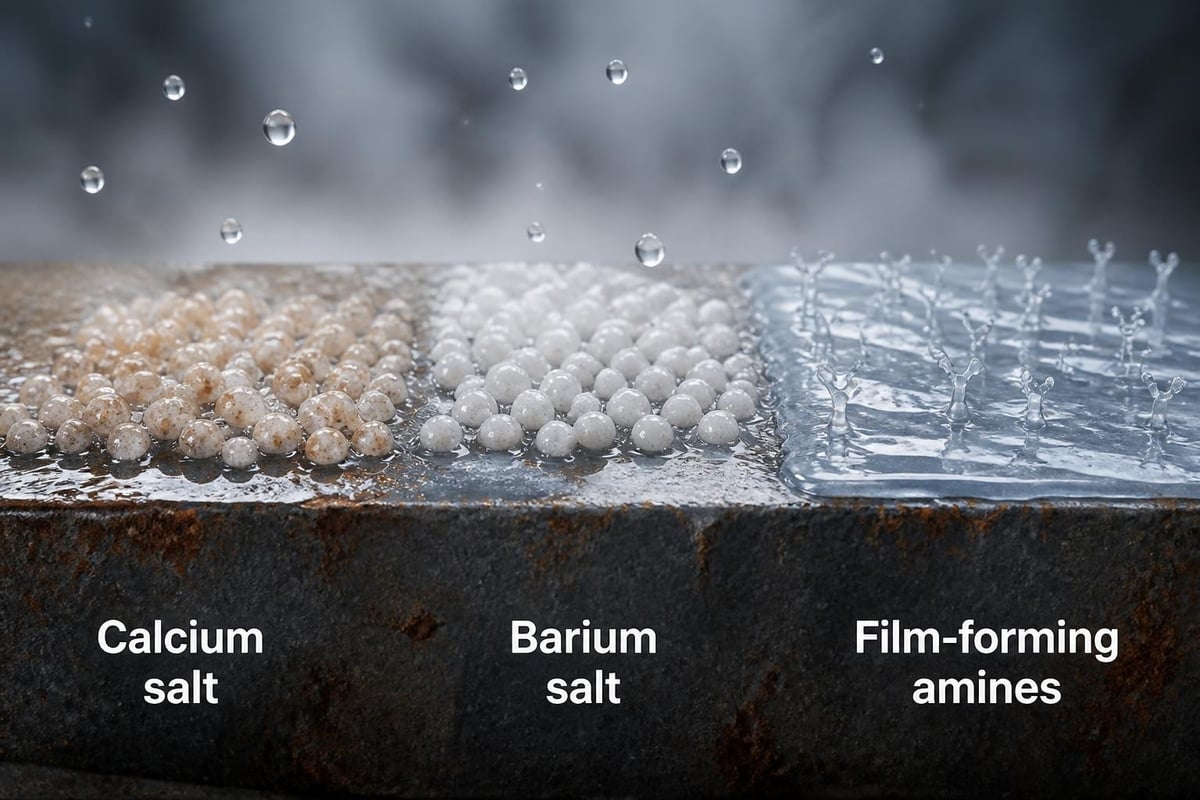
A rust inhibitor works through multiple protective mechanisms depending on its chemical composition and intended application. The most common types include film-forming inhibitors, which create physical barriers on metal surfaces, and vapor-phase inhibitors that protect through gaseous compounds. Film-forming amines (FFAs) represent a significant category, as recent research on film-forming amine mechanisms demonstrates their ability to adsorb onto metal surfaces and form hydrophobic protective layers.
Chemical Categories of Rust Inhibitors:
Organic inhibitors: Film-forming amines, carboxylic acids, phosphate esters
Inorganic inhibitors: Chromates, nitrites, molybdates, silicates
Hybrid systems: Calcium and barium petroleum sulfonates combined with organic components
Eco-friendly alternatives: Biobased corrosion inhibitors derived from plant extracts
The adsorption process varies significantly based on the inhibitor chemistry. Calcium salt-based formulations create thin, colorless protective films ideal for long-term indoor storage, while barium salt variants offer superior water displacement and salt spray resistance. Selection depends on storage conditions, metal substrate composition, and environmental exposure levels.
Performance Factors in Industrial Applications
Several critical parameters determine rust inhibitor effectiveness in real-world metalworking environments. Temperature fluctuations, humidity levels, and contamination from process fluids all influence protective film stability. The ASTM G170 standard guide for evaluating corrosion inhibitors provides comprehensive laboratory testing protocols that manufacturers and formulators use to qualify products before field deployment.
Water displacement capability ranks among the most important performance metrics. When a rust inhibitor contacts moisture on metal surfaces, it must effectively displace that water and establish continuous film coverage. This property becomes crucial in humid manufacturing environments where condensation regularly forms on cooling parts and tooling surfaces.
Performance Metric | Testing Method | Target Specification |
Salt Spray Resistance | ASTM B117 | 12+ months indoor protection |
Water Displacement | Visual/contact angle | <5 seconds complete displacement |
Film Thickness | Micrometer measurement | 1-5 microns typical |
Hard Water Stability | Dilution in 300+ ppm hardness | No precipitation or separation |
Rust Preventive Applications in Metalworking Operations
MetalWorking Fluids require robust corrosion protection to maintain machined part quality between operations and during storage. A rust inhibitor integrated into metalworking fluid formulations must balance multiple functions, including lubricity, cooling, and chip evacuation, while preventing flash rust on freshly machined ferrous surfaces.
In-process protection differs significantly from long-term storage requirements. During active machining, the rust inhibitor must function within an emulsion or solution, protecting parts against galvanic corrosion between dissimilar metals and atmospheric moisture. Modern semi-synthetic and fully synthetic formulations incorporate water-soluble corrosion inhibitors that remain effective even in high-dilution ratios with hard water.
Storage and Transit Protection Strategies
Finished components often require protection during weeks or months of warehousing before assembly or shipment. Specialized rust preventive oils create thicker, more durable films suited for extended storage periods. These formulations typically contain higher concentrations of active inhibitor packages blended with carefully selected base oils.
Application Methods for Different Scenarios:
Dip coating: Fully immerse parts in heated preventive oil (50-70°C)
Spray application: Atomized coating for large surfaces or assembly lines
Brush or wipe-on: Manual application for selective protection
Vapor phase: Volatile inhibitors in enclosed packaging
Manufacturers developing Rust Preventive Additive Packages carefully balance active ingredient concentration, base oil compatibility, and application convenience. The Calcium Salt Based Rust Preventative Package RP620 exemplifies this approach, offering heavy metal-free chemistry with exceptional salt spray resistance while maintaining low viscosity for easy blending and application.
Formulators blending custom rust preventive oils benefit from additive packages that deliver consistent performance across varying base oil qualities and application temperatures. The eco-friendly formulation addresses growing environmental regulations while providing 12+ months of indoor protection with thin, colorless films that won't interfere with subsequent painting or assembly operations.
Selection Criteria for Manufacturing Environments
Choosing the appropriate rust inhibitor requires systematic evaluation of operational conditions, metal substrates, and environmental factors. Cast iron components demand different protection than precision-machined stainless steel, while outdoor storage necessitates more robust formulations than climate-controlled warehouses.
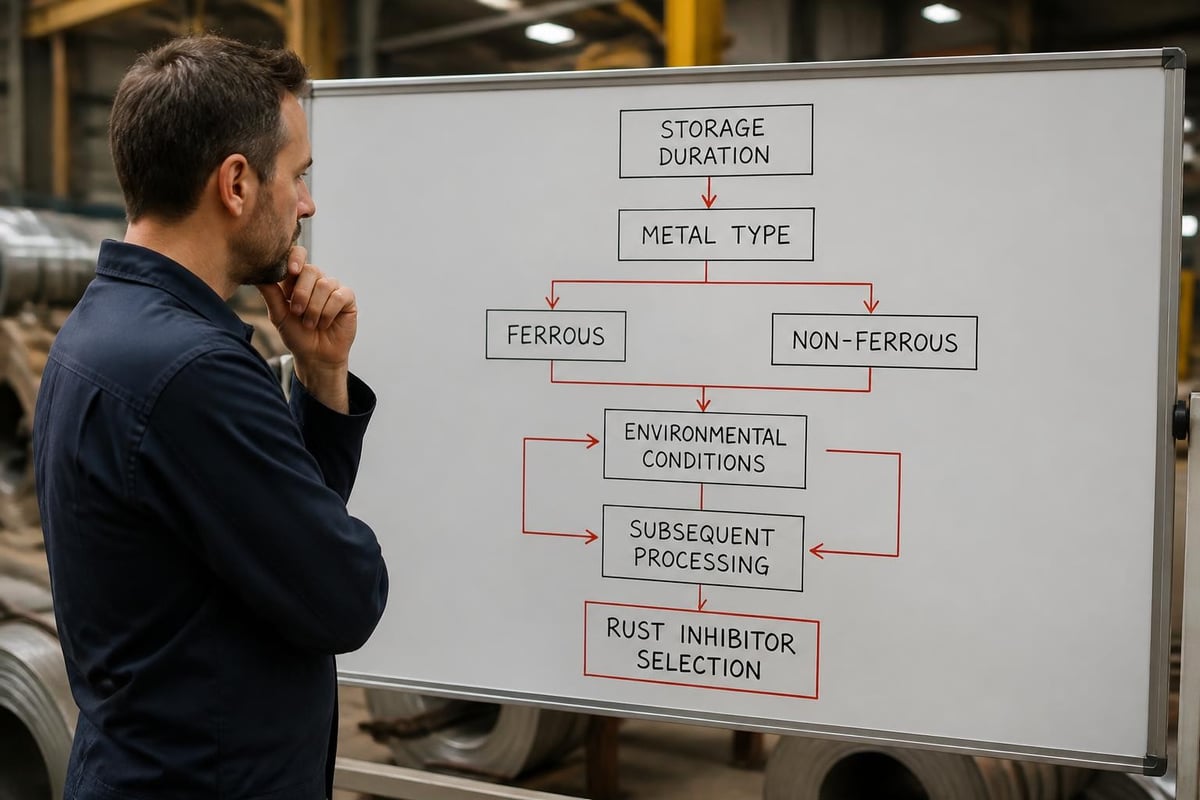
Material compatibility extends beyond the primary metal substrate. Many manufacturing operations handle multiple alloys simultaneously, requiring rust inhibitors that protect steel, aluminum, and copper without causing staining or accelerated corrosion on reactive metals. Universal formulations incorporate non-ferrous metal inhibitors alongside traditional ferrous protectants, though specialized products often deliver superior results for single-metal applications.
Environmental and Regulatory Considerations
Industrial facilities face increasing pressure to adopt sustainable corrosion protection technologies. Traditional chromate and nitrite-based inhibitors, while highly effective, carry environmental and health concerns that drive reformulation efforts. The DoD demonstration results on biobased corrosion inhibitors provide valuable field performance data comparing conventional and sustainable alternatives.
Waste treatment compatibility represents another critical selection factor. Water-based rust inhibitors used in cutting fluids or cleaners must remain stable during emulsion breaking and allow for efficient oil-water separation in wastewater treatment systems. Low-residue formulations simplify parts cleaning before painting or coating, reducing processing steps and solvent consumption.
Regulatory Compliance Checklist:
Heavy metal content (lead, cadmium, mercury, hexavalent chromium)
VOC emissions from solvent-based formulations
Biodegradability and aquatic toxicity
Workplace exposure limits for mist and vapor
Disposal requirements and waste classification
The EPA guidance on rust-preventative product labeling clarifies regulatory requirements for products marketed with corrosion protection claims, particularly those containing active ingredients subject to pesticide registration.
Testing and Quality Control Protocols
Rigorous testing validates rust inhibitor performance before production implementation. Salt spray chamber testing (ASTM B117) remains the industry standard, exposing coated panels to continuous salt fog while monitoring rust formation at specified intervals. However, laboratory results don't always predict field performance accurately, making pilot trials essential.
Test Type | Duration | Evaluation Criteria | Application Relevance |
Salt Spray (ASTM B117) | 48-1000+ hours | Visual rust coverage percentage | Outdoor storage, marine environments |
Humidity Cabinet | 240-1000 hours | Edge creep, blister formation | Indoor warehousing, tropical climates |
Water Displacement | 30-300 seconds | Complete water removal time | Process fluid changeover, wet parts |
Hard Water Stability | 7-30 days | Emulsion stability, separation | Metalworking fluid dilution performance |
Real-world validation should replicate actual storage conditions, including temperature cycling, handling contamination, and packaging methods. Many manufacturers conduct field trials spanning complete storage cycles (3-12 months) to confirm laboratory predictions before committing to large-scale adoption.
Formulation Development for Custom Applications
Lubricant blenders and fluid manufacturers developing proprietary rust preventive products leverage concentrated Lubricant Additive Packages to accelerate formulation development. These packages contain balanced inhibitor systems, allowing formulators to focus on base oil selection and application-specific modifications rather than individual component optimization.
Additive package concentration typically ranges from 1% to 15% in finished products, depending on protection requirements and application method. Thin-film rust preventives for short-term protection may contain 2-5% active package, while heavy-duty outdoor storage formulations utilize 10-15% concentrations. Compatibility testing with specific base oil grades ensures proper solubility and film-forming characteristics across operating temperature ranges.
Performance optimization often requires multiple formulation iterations. Variables including application temperature, film thickness, drip-off characteristics, and removability before subsequent processing all influence final package concentration and base oil viscosity selection.
Maintenance and Monitoring Best Practices
Implementing effective rust prevention programs extends beyond product selection to include application training, storage condition control, and regular monitoring protocols. Even premium rust inhibitor formulations fail when applied incorrectly or when parts remain exposed to excessive humidity or contamination.
Critical Control Points:
Application temperature: Most preventives require 50-70°C for optimal film formation
Surface preparation: Remove all process fluids, water, and particulate before coating
Coverage uniformity: Ensure complete surface contact with no missed areas
Drainage time: Allow adequate draining to prevent pooling and drip marks
Storage atmosphere: Maintain relative humidity below 60% when possible
Quality control sampling provides early warning of formulation degradation or application issues. Regular salt spray testing of coated parts confirms continued protection, while visual inspection identifies film defects, discoloration, or incomplete coverage requiring corrective action.
Environmental monitoring complements product testing. Warehouse humidity levels, temperature fluctuations, and air quality (sulfur dioxide, chlorides, industrial pollutants) all impact protective film durability. Facilities in coastal regions or areas with significant industrial emissions may require more frequent reapplication or upgraded formulations to maintain protection standards.
Integration with Overall Corrosion Management
A rust inhibitor represents one component within comprehensive corrosion control strategies. Infrastructure-level considerations, such as those outlined in the National Academies guidance on buried steel corrosion, demonstrate the interconnected nature of material selection, environmental control, and protective treatments in preventing metal degradation.
For metalworking operations, corrosion prevention begins during process fluid selection and extends through parts washing, drying, temporary protection, and final packaging. Each transition point introduces corrosion risk that proper inhibitor application must address. Coordination between machining, quality control, and warehousing departments ensures consistent protection throughout the production and storage chain.
Process fluid management significantly influences rust prevention requirements. Well-maintained cutting fluids with adequate inhibitor reserves prevent in-process corrosion, reducing the burden on post-machining rust preventives. Conversely, depleted or contaminated process fluids accelerate corrosion, requiring more aggressive protective treatments on finished parts.
Integrated Protection Program Elements:
Process fluid monitoring and maintenance schedules
Parts washing and drying protocols
Temporary rust inhibitor application for in-process storage
Long-term preventive application for finished goods
Packaging design with vapor-phase inhibitors when appropriate
Storage environment control and monitoring
Training programs ensure personnel understand both the technical requirements and the economic consequences of inadequate corrosion protection. Field-level operators who recognize early signs of inhibitor failure or application defects become the first line of defense against costly rework and customer rejections.
Effective corrosion protection through properly selected and applied rust inhibitors delivers measurable benefits in reduced scrap, extended equipment life, and enhanced product quality. Manufacturing facilities seeking optimized protection for their specific metal substrates and operating conditions can leverage specialized expertise in formulation chemistry and application engineering. Guangzhou Rolitom Lubricant Technology CO.,LTD brings over 20 years of experience developing customized rust preventive oils, metalworking fluid additives, and inhibitor packages tailored to the demanding requirements of modern metalworking and die-casting operations, helping industrial customers achieve reliable, cost-effective corrosion control.
Contact: LilyLu
Phone: +86 138 2603 0637
E-mail: lilylu@rolitom.com
Whatsapp:+8613826030637
Add: Room 426, No.1218 Zhongshan Avenue Middle, Tianhe District, Guangzhou City,China
We chat