Metal cutting coolant plays a critical role in modern machining operations, serving multiple functions that directly impact tool life, surface finish quality, and overall productivity. As manufacturers push for tighter tolerances and higher metal removal rates, the selection and management of cutting fluids has become a strategic technical decision rather than a simple commodity purchase. Understanding the chemistry, application methods, and maintenance requirements of these specialized industrial fluids enables machining facilities to optimize their operations while meeting environmental and worker safety standards.
Understanding Metal Cutting Coolant Chemistry and Functions
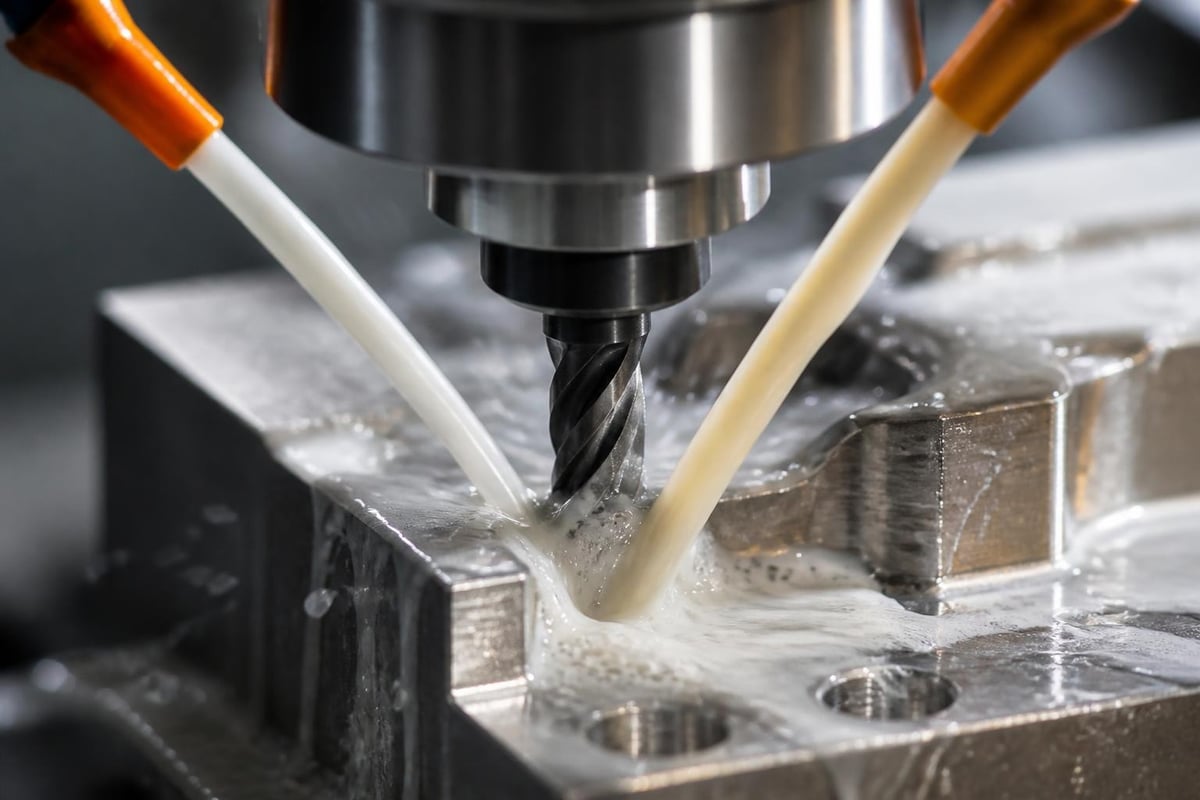
Metal cutting coolant serves four primary functions during machining operations: cooling the cutting zone to prevent thermal damage, lubricating the tool-workpiece interface to reduce friction, flushing chips away from the cutting area, and protecting machined surfaces from corrosion. Each function requires specific chemical components working in concert to deliver optimal performance.
The cooling function relies on the fluid's thermal capacity and heat transfer properties. Water-based fluids excel at heat removal due to water's high specific heat capacity, making them ideal for high-speed operations that generate substantial thermal energy. The lubrication function depends on boundary lubricants and extreme pressure additives that form protective films on metal surfaces, reducing friction and tool wear during cutting.
Chemical Components and Their Roles
Modern MetalWorking Fluids contain carefully balanced formulations of base fluids, emulsifiers, corrosion inhibitors, extreme pressure agents, and biocides. The base fluid provides the primary medium, which may be mineral oil, synthetic esters, or water depending on the fluid type. Emulsifiers enable oil and water to form stable mixtures in soluble and semi-synthetic products.
Component Category | Primary Function | Typical Concentration |
Base Oil/Water | Cooling and lubrication carrier | 50-95% |
Emulsifiers | Stability of oil-water mixture | 2-10% |
Corrosion Inhibitors | Rust prevention on parts | 1-5% |
EP/AW Additives | Extreme pressure protection | 2-8% |
Biocides | Microbial control | 0.1-0.5% |
Defoamers | Foam suppression | 0.05-0.2% |
Corrosion inhibitors protect both the workpiece and machine tool surfaces from rust, particularly critical when machining ferrous metals. These inhibitors form protective molecular layers that displace water from metal surfaces. Water-based formulations require especially robust corrosion packages since water naturally promotes oxidation of iron and steel.
 Types of Metal Cutting Coolant Systems
Machining facilities can choose from four main categories of cutting fluids, each offering distinct advantages for specific applications and materials. The selection depends on machining operation severity, material being cut, required surface finish, and environmental considerations.
Straight Cutting Oils
Neat oils contain no water and consist of mineral or synthetic base oils blended with performance additives. These fluids provide superior lubrication for severe machining operations like broaching, gear cutting, and threading where extreme pressure conditions exist. Their excellent lubricating properties reduce tool wear and improve surface finish on difficult-to-machine materials.
However, straight oils offer limited cooling capacity compared to water-based fluids and present fire hazards at elevated temperatures. They also generate oil mist that requires proper ventilation systems to protect worker health. Disposal costs tend to be higher due to classification as hazardous waste in many jurisdictions.
Soluble Oils and Emulsions
Soluble oil concentrates mix with water to form milky emulsions, typically at dilution ratios between 3% and 10%. These fluids balance good lubrication from the oil phase with excellent cooling from the water phase. They suit general-purpose machining of steel, cast iron, and aluminum where moderate cutting speeds and feeds apply.
High-performance Metalworking Additive Fluid Packages enable formulators to develop emulsions with enhanced stability, lubricity, and corrosion protection. Modern packages incorporate chlorine-free extreme pressure chemistry and broad-spectrum biocides to maintain fluid performance throughout the service life.
Semi-Synthetic Fluids
Semi-synthetic cutting fluids combine small amounts of mineral oil (typically 5-30%) with synthetic lubricants and water. These translucent fluids offer better cooling than soluble oils while maintaining adequate lubrication for most machining operations. Their lower oil content reduces misting, improves sump cleanliness, and extends fluid life compared to conventional emulsions.
The reduced oil content also facilitates easier filtration and chip removal. Semi-synthetic formulations show good compatibility with a wide range of metals including ferrous alloys, aluminum, and copper. Their versatility makes them popular choices for job shops running diverse materials.
Fully Synthetic Solutions
Synthetic coolants contain no petroleum oil, relying instead on synthetic lubricants, polymers, and water-soluble additives. These crystal-clear fluids provide maximum cooling capacity and cleanliness, making them ideal for precision grinding operations and high-speed machining where heat removal is paramount.
Excellent visibility allows operators to monitor the cutting process clearly
Low maintenance requirements due to minimal biological growth
Extended sump life reduces fluid consumption and disposal costs
Superior filtration characteristics maintain fluid cleanliness
Reduced misting improves workplace air quality
The primary limitation of fully synthetic fluids is lower lubrication compared to oil-containing products, making them less suitable for heavy-duty cutting operations or materials requiring substantial boundary lubrication.
 Selection Criteria for Optimal Performance
Choosing the appropriate metal cutting coolant requires systematic evaluation of machining parameters, workpiece materials, equipment capabilities, and operational constraints. Technical decision-making in this area directly impacts manufacturing economics through effects on tool life, production rates, and quality outcomes.
Material Compatibility Assessment
Different workpiece materials impose varying demands on cutting fluid performance. Ferrous metals like steel and cast iron typically work well with soluble oils and semi-synthetic fluids that provide balanced cooling and lubrication. These materials tolerate a wide range of fluid chemistries, though corrosion protection remains essential between operations.
Aluminum and aluminum alloys present specific challenges due to their tendency to react with certain additives. Fluids for aluminum should be formulated with stable pH control (typically 8.5-9.5) and specialized corrosion inhibitors that prevent both aluminum oxidation and galvanic corrosion in multi-metal environments. Research published in the Journal of the Japan Society of Tribologists provides detailed insights into cutting fluid formulation chemistry and component interactions.
Copper alloys require fluids without reactive sulfur or chlorine compounds that can cause staining. Stainless steel machining demands fluids with robust extreme pressure packages and excellent cooling capacity due to the material's work hardening characteristics and low thermal conductivity.
Machining Operation Requirements
The intensity and type of cutting operation fundamentally determine fluid requirements. Turning and milling operations at moderate speeds benefit from versatile semi-synthetic or soluble oil formulations that balance cooling and lubrication. Grinding operations generating significant heat favor synthetic coolants with maximum cooling capacity and excellent filtering characteristics.
Thread cutting, broaching, and gear hobbing represent severe operations requiring superior boundary lubrication. These applications often necessitate straight cutting oils or high-concentration soluble oil emulsions. Modern Lubricant Additive Packages enable customized formulations optimized for specific operation severity levels.
Operation Type | Recommended Fluid | Key Requirements |
High-speed turning | Semi-synthetic or synthetic | Maximum cooling, chip flushing |
Heavy milling | Soluble oil (5-8%) | Balanced cooling/lubrication |
Precision grinding | Fully synthetic | Cooling, cleanliness, visibility |
Threading/tapping | Neat oil or high-concentration emulsion | Extreme pressure lubrication |
Aluminum machining | Specialized semi-synthetic | pH stability, non-staining |
Environmental and Safety Considerations
Regulatory compliance and worker health protection increasingly influence cutting fluid selection. OSHA's metalworking fluids manual provides comprehensive guidance on hazard recognition, exposure control, and fluid management practices that manufacturing facilities must implement.
Water-based fluids reduce fire hazards and minimize oil mist exposure compared to neat oils. However, they require diligent biological control to prevent bacterial and fungal growth that can cause dermatitis and respiratory issues. Modern biocide packages effectively control microorganisms while meeting environmental discharge requirements.
Disposal considerations favor synthetic and semi-synthetic fluids, which typically offer longer sump life and easier wastewater treatment compared to conventional soluble oils. The EPA's industrial waste guidance outlines proper management and disposal procedures for used metalworking fluids.
Advanced Application Technologies
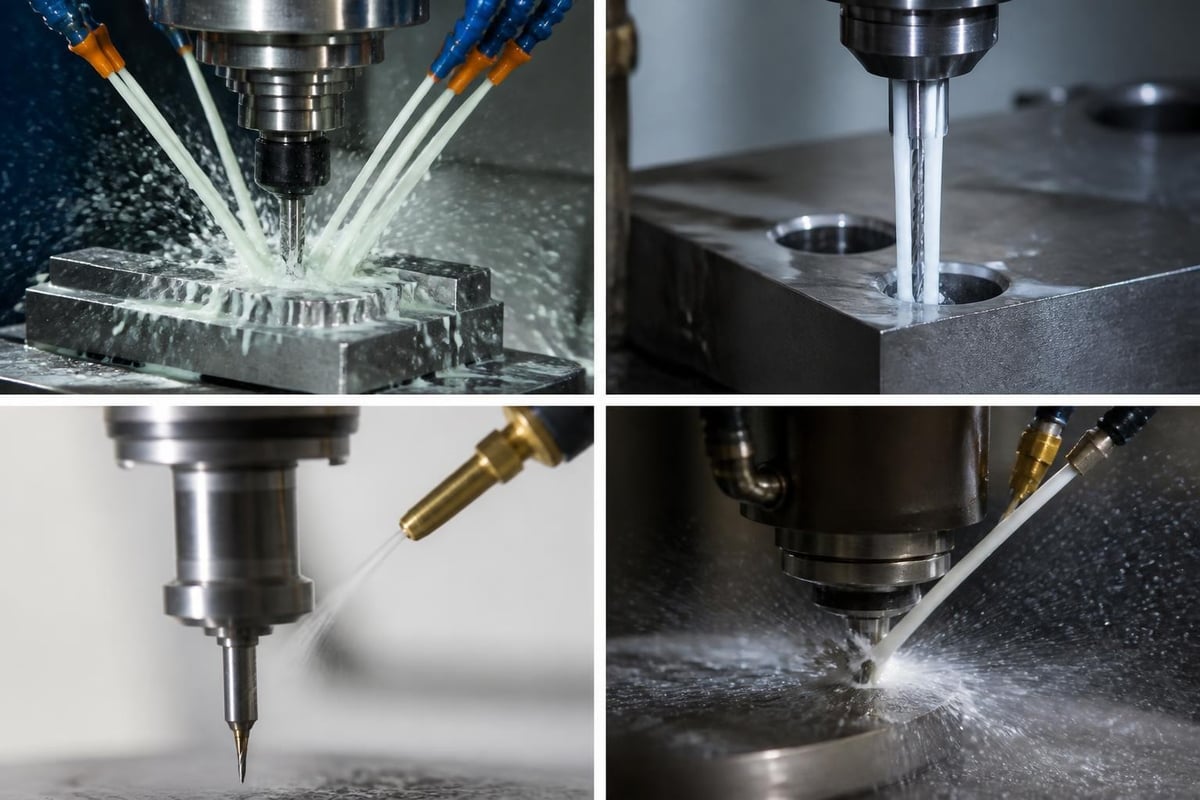
Traditional flood cooling remains the most common delivery method for metal cutting coolant, but emerging technologies offer significant advantages for specific applications. Understanding these alternatives enables manufacturers to optimize fluid usage while improving machining performance.
High-Pressure Coolant Systems
Through-spindle coolant delivery at pressures ranging from 500 to 1,500 psi directs fluid precisely to the cutting edge, improving chip evacuation in deep hole drilling and providing superior cooling in turning operations. This targeted approach reduces overall fluid consumption while enhancing tool life and surface finish quality.
High-pressure systems require fluid formulations with excellent lubricity at the elevated shear rates encountered in narrow cutting zones. The focused delivery minimizes fluid waste and reduces cleanup requirements compared to conventional flood cooling methods.
Minimum Quantity Lubrication
MQL technology applies micro-droplets of cutting fluid at flow rates typically between 10-100 ml/hour, drastically reducing consumption compared to flood cooling. A comprehensive review of MQL systems published in the International Journal of Advanced Manufacturing Technology details the technology's performance characteristics and environmental benefits.
MQL works best for moderate-severity operations on materials like aluminum and cast iron. The near-dry environment eliminates fluid disposal costs and improves workplace cleanliness. However, MQL provides limited cooling capacity, making it unsuitable for operations generating high thermal loads or requiring chip flushing.
Cryogenic and Hybrid Cooling
Cryogenic machining using liquid nitrogen or carbon dioxide offers unique advantages for difficult-to-machine materials like titanium and nickel superalloys. NIST research on advanced cooling approaches documents experimental findings on cryogenic and nanofluid-enhanced cooling systems that may shape future metalworking fluid technology.
Hybrid systems combining MQL with cryogenic cooling or high-pressure air provide flexibility to optimize cooling and lubrication independently. These approaches particularly suit advanced manufacturing environments pursuing sustainable machining practices.
 Maintenance and Monitoring Best Practices
Proper metal cutting coolant management extends fluid life, maintains consistent machining performance, and protects equipment investments. Systematic monitoring and maintenance prevent common problems that degrade fluid performance and compromise part quality.
Concentration Control
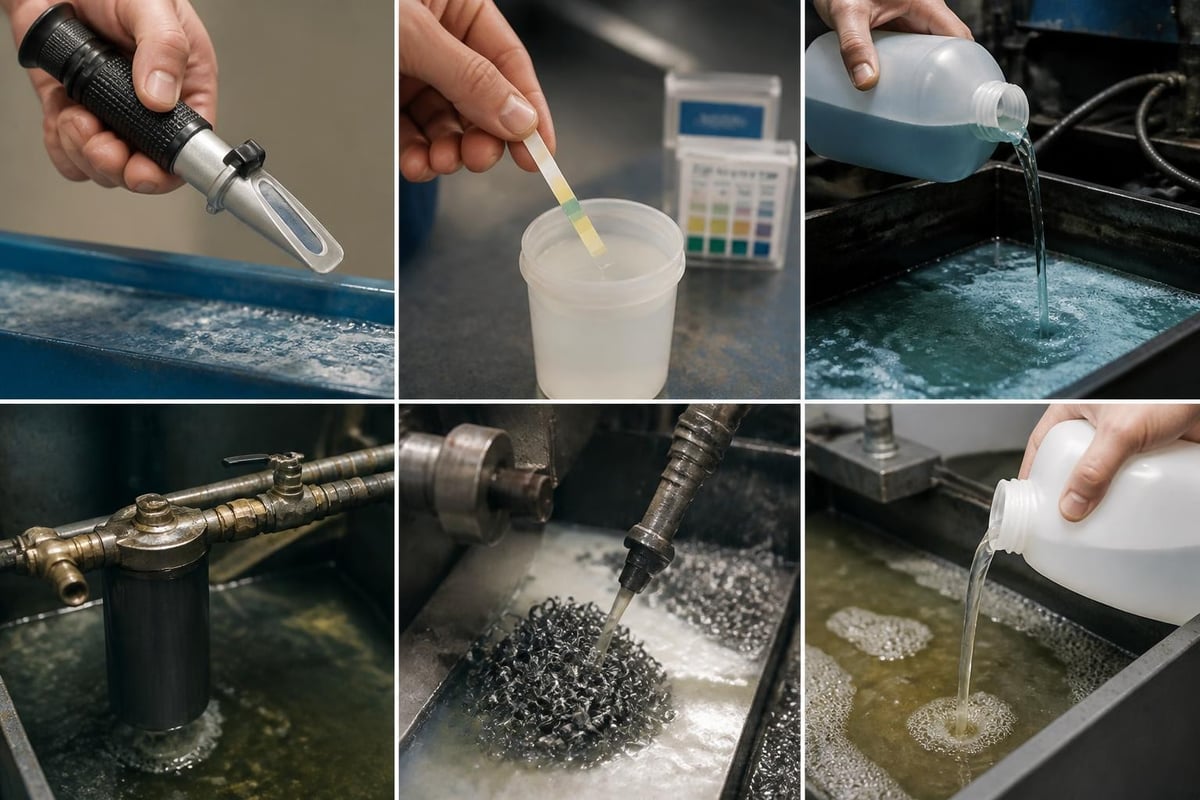
Maintaining proper fluid concentration is fundamental to performance and longevity. Evaporation continuously removes water from the system, increasing concentration and potentially causing residue buildup or foam problems. Operators should check concentration daily using a refractometer and adjust by adding makeup fluid or water as needed.
Most water-based cutting fluids operate optimally within a specific concentration range, typically ±0.5% of the target value. Operating below specification reduces corrosion protection and lubrication effectiveness, while excessive concentration wastes expensive concentrate and may cause staining or residue issues.
pH Monitoring and Adjustment
pH affects corrosion protection, microbial growth rates, and worker skin health. Most water-based metalworking fluids function best between pH 8.5 and 9.5, though specific formulations may have different optimal ranges. Regular pH testing (at least weekly) identifies trends that signal contamination or biological activity.
Declining pH often indicates bacterial growth consuming alkaline reserves or contamination from acidic process fluids. Rising pH may result from hard water makeup or concentrate addition errors. The HSE's metalworking fluid guidance provides practical advice on fluid maintenance and microbiological control relevant to industrial operations.
Contamination Management
Three primary contaminants threaten cutting fluid performance: tramp oil, particulate matter, and microorganisms. Tramp oil enters the system from machine tool lubrication systems, hydraulic leaks, and slideway oils. This foreign oil reduces emulsion stability, promotes bacterial growth, and decreases cooling efficiency.
Effective tramp oil removal methods include:
Belt skimmers that continuously remove floating oil
Disc skimmers for higher removal rates in heavily contaminated systems
Coalescers that separate emulsified tramp oil
Centrifugal separators for comprehensive oil and solids removal
Particulate contamination from metal fines and abrasive particles accelerates tool wear and degrades surface finish. Filtration systems ranging from simple settling tanks to advanced centrifuges maintain fluid cleanliness appropriate to the machining operation's requirements.
Microbial Control Strategies
Bacteria and fungi thrive in water-based cutting fluids, particularly when contamination provides nutrients and temperature favors growth. Microbial activity generates foul odors, destabilizes emulsions, corrodes metal surfaces, and poses health risks to machine operators.
Preventive microbial control includes:
Maintaining proper fluid concentration and pH
Removing tramp oil and organic debris promptly
Ensuring adequate biocide levels in the formulation
Avoiding dead zones with stagnant fluid in sumps
Regular system cleaning during fluid changes
When contamination occurs despite preventive measures, shock treatments with supplemental biocide can restore fluid quality. However, repeated biocide additions indicate underlying maintenance issues requiring correction.
Formulation Considerations for Specialized Applications
Different machining environments and material combinations require tailored metal cutting coolant formulations. Understanding these specialized requirements enables selection of optimized fluid systems or development of custom formulations for unique applications.
High-Performance Machining Requirements
Advanced manufacturing operations pushing the boundaries of cutting speeds and material removal rates demand cutting fluids engineered for extreme conditions. These applications require exceptional thermal stability to prevent fluid breakdown at elevated temperatures, robust extreme pressure packages to protect tools under high contact stresses, and excellent wetting characteristics to penetrate the cutting zone effectively.
Specialized additive packages enable formulators to develop fluids meeting these demanding requirements. For companies blending their own metalworking fluids, selecting the right additive package is crucial to achieving target performance specifications.
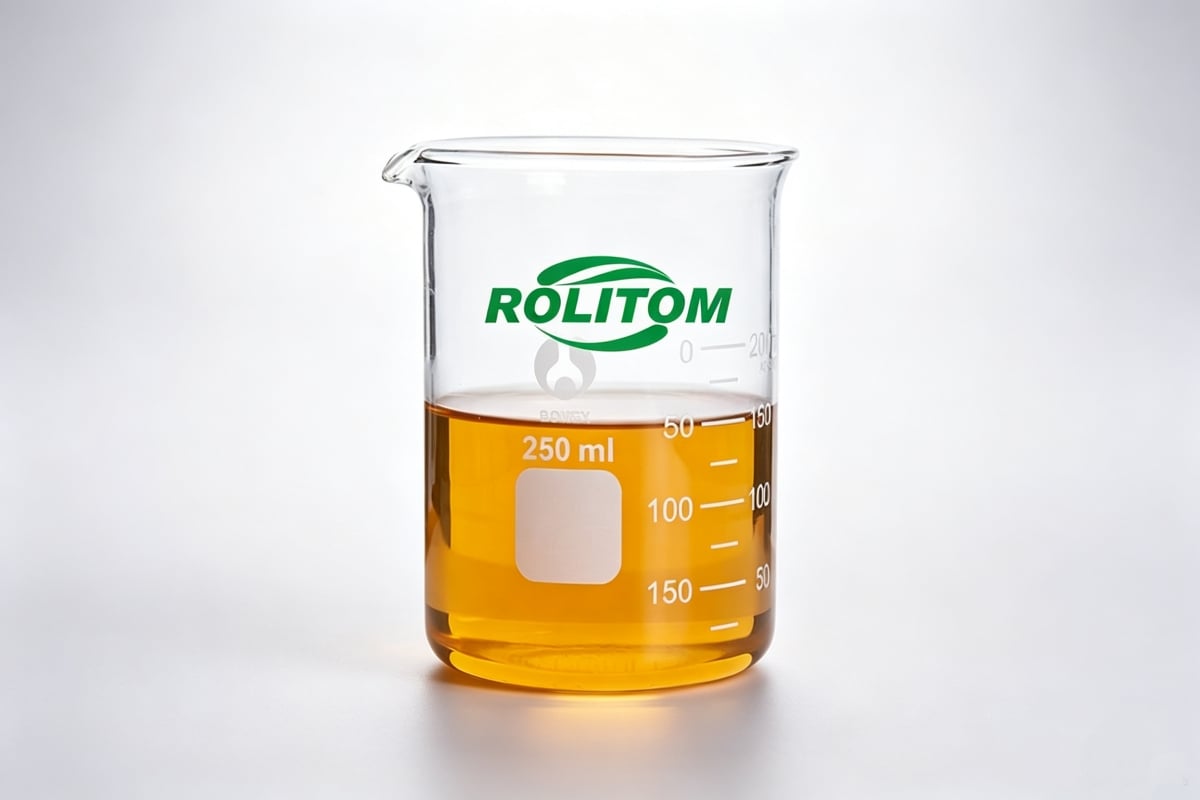
The Emulsified Oil Package 230P represents a high-performance solution matched with 150SN base oil, offering stable emulsion, outstanding rust resistance, and low foam characteristics. This chlorine-free and nitrite-free package is optimized for machining die steel, cast iron, stainless steel, and carbon steel in demanding metal workshop environments.
Multi-Material Production Environments
Job shops and contract manufacturers frequently machine diverse materials ranging from free-cutting brass to hardened tool steels within the same facility. These operations benefit from versatile semi-synthetic formulations that provide acceptable performance across a broad material range while minimizing the inventory and management complexity of maintaining multiple fluid types.
Universal fluids typically incorporate balanced additive packages with moderate extreme pressure chemistry, broad-spectrum corrosion inhibitors effective on ferrous and non-ferrous metals, and stable pH buffering to accommodate varying material demands. While specialized fluids may outperform universal products in specific applications, the operational simplicity and reduced changeover requirements often justify the slight performance compromise.
Environmentally Conscious Formulations
Sustainability initiatives and regulatory pressures drive demand for metalworking fluids with reduced environmental impact. Modern formulations achieve improved ecological profiles through several approaches including extended fluid life reducing disposal frequency, biodegradable base stocks and additives, elimination of problematic chemicals like nitrites and chlorinated paraffins, and enhanced wastewater treatment compatibility.
Research on machinability evaluation and cutting fluid roles published in CIRP Journal of Manufacturing Science and Technology examines how fluid selection impacts overall machining performance and sustainability metrics. These findings help manufacturers balance environmental objectives with productivity requirements.
Troubleshooting Common Problems
Even well-managed metal cutting coolant systems occasionally develop issues affecting performance or fluid condition. Recognizing symptoms and implementing appropriate corrective actions quickly restores optimal operation and prevents minor problems from escalating into costly failures.
Foam Formation Issues
Excessive foaming interferes with fluid circulation, reduces cooling effectiveness, and complicates machining operations. Foam problems typically result from low fluid concentration, high water hardness, contamination with washing compounds or hydraulic fluids, or excessive agitation in the system. Air entrainment from pump cavitation or leaking seals also contributes to persistent foam.
Addressing foam requires identifying the root cause rather than simply adding more defoamer. Check and correct fluid concentration first, then investigate potential contamination sources. In hard water areas, consider using deionized or softened water for makeup. Mechanical modifications like reducing fluid return line turbulence or installing baffles in the reservoir may be necessary for persistent problems.
Corrosion and Staining
Rust on machined parts or machine tool surfaces indicates inadequate corrosion protection from the cutting fluid. Common causes include low fluid concentration, depleted corrosion inhibitors, acidic pH from bacterial growth, or inadequate rust inhibitor package for the specific metals being machined. Aluminum staining specifically results from alkaline attack or contamination with incompatible additives.
Preventing corrosion requires maintaining proper concentration and pH while ensuring adequate biocidal control to prevent inhibitor depletion. For facilities machining corrosion-sensitive materials, selecting formulations with enhanced Rust Preventive Additive Packages provides additional protection during processing and short-term storage.
Odor and Biological Contamination
Foul odors from cutting fluid systems signal advanced microbial contamination requiring immediate attention. Bacteria metabolize fluid components and contaminants, producing offensive smells while degrading fluid performance and potentially causing health issues for exposed workers. Once established, microbial populations prove difficult to eliminate without aggressive intervention.
Corrective action for severely contaminated systems includes:
Testing fluid to confirm bacterial/fungal presence and population levels
Cleaning the entire system including reservoir, lines, and machine tool sumps
Disposing of contaminated fluid properly according to local regulations
Recharging with fresh fluid at proper concentration
Implementing rigorous preventive maintenance to prevent recurrence
Prevention through good housekeeping, proper maintenance, and adequate biocide levels costs far less than remedial treatment of contaminated systems.
Integration with Manufacturing Process Control
Modern metal cutting coolant management extends beyond simple fluid maintenance to integration with broader manufacturing quality and efficiency systems. Data-driven approaches to fluid monitoring enable predictive maintenance and process optimization.
Monitoring Systems and Sensors
Automated fluid monitoring systems continuously track critical parameters including concentration, pH, temperature, and conductivity. These systems alert operators to deviations requiring attention and log data for trend analysis. Advanced installations may include bacterial activity sensors providing early warning of biological contamination before odor or fluid degradation becomes apparent.
Integration with machine tool controls enables adaptive cooling strategies that adjust fluid flow, pressure, or concentration based on cutting parameters and tool wear states. This intelligent approach optimizes fluid utilization while extending tool life and improving part quality consistency.
Documentation and Traceability
Maintaining detailed records of fluid additions, test results, and maintenance actions supports quality management system requirements and facilitates troubleshooting when problems arise. Documentation also proves valuable for identifying correlations between fluid conditions and machining outcomes like tool life, surface finish variations, or corrosion incidents.
Many manufacturers now implement digital fluid management systems replacing paper logbooks with database-driven tracking. These systems support trend analysis, predictive maintenance scheduling, and regulatory compliance documentation with minimal administrative burden.
Metal cutting coolant selection, formulation, and maintenance represent critical technical decisions directly impacting manufacturing productivity, quality outcomes, and operational costs. Success requires matching fluid chemistry to specific machining requirements while implementing systematic monitoring and maintenance practices. For manufacturers seeking optimized metalworking fluid solutions, Guangzhou Rolitom Lubricant Technology CO.,LTD offers over 20 years of expertise in developing customized formulations and high-performance additive packages for diverse industrial applications. Their technical team collaborates with customers to engineer fluids precisely matched to unique operational requirements and material combinations.
Contact: LilyLu
Phone: +86 138 2603 0637
E-mail: lilylu@rolitom.com
Whatsapp:+8613826030637
Add: Room 426, No.1218 Zhongshan Avenue Middle, Tianhe District, Guangzhou City,China
We chat