Industrial lubrication forms the backbone of modern manufacturing operations, protecting machinery, extending tool life, and ensuring consistent production quality. From metalworking centers processing thousands of components daily to die casting facilities producing complex aluminum parts, effective lubrication strategies directly impact operational efficiency and product quality. Understanding the science, selection criteria, and management practices surrounding industrial lubricants enables manufacturers to reduce downtime, lower maintenance costs, and achieve superior machining results.
The Role of Industrial Lubrication in Manufacturing
Industrial lubrication serves multiple critical functions that extend far beyond simply reducing friction between moving surfaces. In metalworking applications, lubricants must cool cutting tools, flush away chips, prevent corrosion on machined surfaces, and maintain stable emulsions under varying water hardness conditions. The complexity of these requirements makes lubricant selection a technical decision that impacts everything from surface finish quality to operator safety.
Modern MetalWorking Fluids operate in demanding environments where temperatures exceed 200°C at the tool-chip interface during heavy cutting operations. These fluids must maintain their chemical stability, resist thermal degradation, and continue protecting both the workpiece and machine components throughout extended production runs.
Key performance requirements include:
Boundary lubrication at extreme pressure contact points
Heat dissipation to prevent thermal distortion
Corrosion inhibition for ferrous and non-ferrous metals
Bacterial and fungal resistance in water-based systems
Compatibility with machine tool materials including seals and painted surfaces
The ASTM D2422 classification system provides standardized viscosity grades that help manufacturers select appropriate lubricants based on operating conditions and equipment specifications. This framework ensures consistency across suppliers and simplifies technical communication between lubricant formulators and end users.
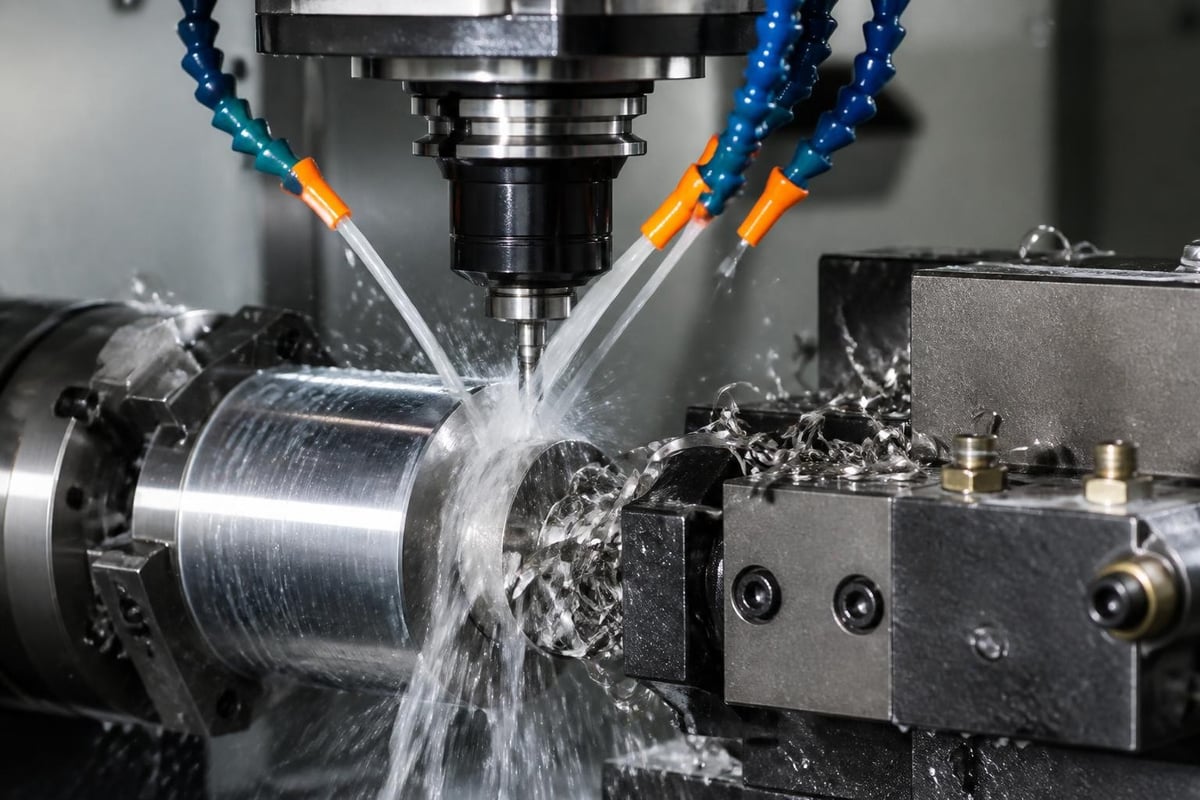 Metalworking Fluid Chemistry and Formulation
Understanding metalworking fluid chemistry empowers maintenance teams and purchasing managers to make informed decisions about product selection and application. Industrial lubricants consist of carefully balanced formulations containing base oils, emulsifiers, extreme pressure additives, corrosion inhibitors, biocides, and performance enhancers. Each component plays a specific role in the fluid's overall performance profile.
Base Oil Selection and Synthetic Technology
Traditional soluble oils rely on mineral oil bases ranging from 60% to 85% of the concentrate formulation. These products form milky emulsions when mixed with water, typically at concentrations between 3% and 10%. The mineral oil provides lubricity and forms protective films on metal surfaces, while emulsifiers keep the oil droplets suspended in the water phase.
Fully synthetic formulations eliminate mineral oil entirely, using water-soluble polymers, esters, and specialty additives to achieve lubrication performance. These products form transparent solutions that offer superior cooling capacity, extended sump life, and reduced maintenance requirements compared to conventional soluble oils.
Semi-synthetic fluids bridge the gap between soluble oils and fully synthetic products, typically containing 5% to 30% mineral oil combined with synthetic components. This hybrid approach delivers balanced performance for operations machining multiple metal types or requiring both excellent cooling and boundary lubrication capabilities.
Fluid Type | Oil Content | Appearance | Primary Advantages | Typical Applications |
Soluble Oil | 60-85% | Milky white | Strong lubricity, versatile | Heavy machining, turning, drilling |
Semi-Synthetic | 5-30% | Translucent | Balanced performance | General machining, grinding |
Fully Synthetic | 0% | Clear/transparent | Long sump life, excellent cooling | High-speed grinding, light machining |
Additive Package Technology
The performance characteristics of modern industrial lubrication systems depend heavily on additive package formulation. These concentrated blends contain extreme pressure agents, rust inhibitors, emulsifiers, foam suppressants, and pH buffers precisely balanced to deliver specific performance attributes. Lubricant manufacturers and industrial blenders increasingly rely on specialized Lubricant Additive Packages rather than formulating from individual raw materials.
Extreme pressure additives create protective tribofilms at high-stress contact points between cutting tools and workpieces. The mechanisms through which zinc dialkyldithiophosphate (ZDDP) and other antiwear compounds function have been extensively studied, with recent research clarifying how these materials form sacrificial layers that prevent metal-to-metal contact during boundary lubrication conditions.
For formulators developing customized metalworking fluids, high-performance Metalworking Fluid Additive Packages provide a reliable foundation that simplifies the development process while ensuring consistent quality across production batches.
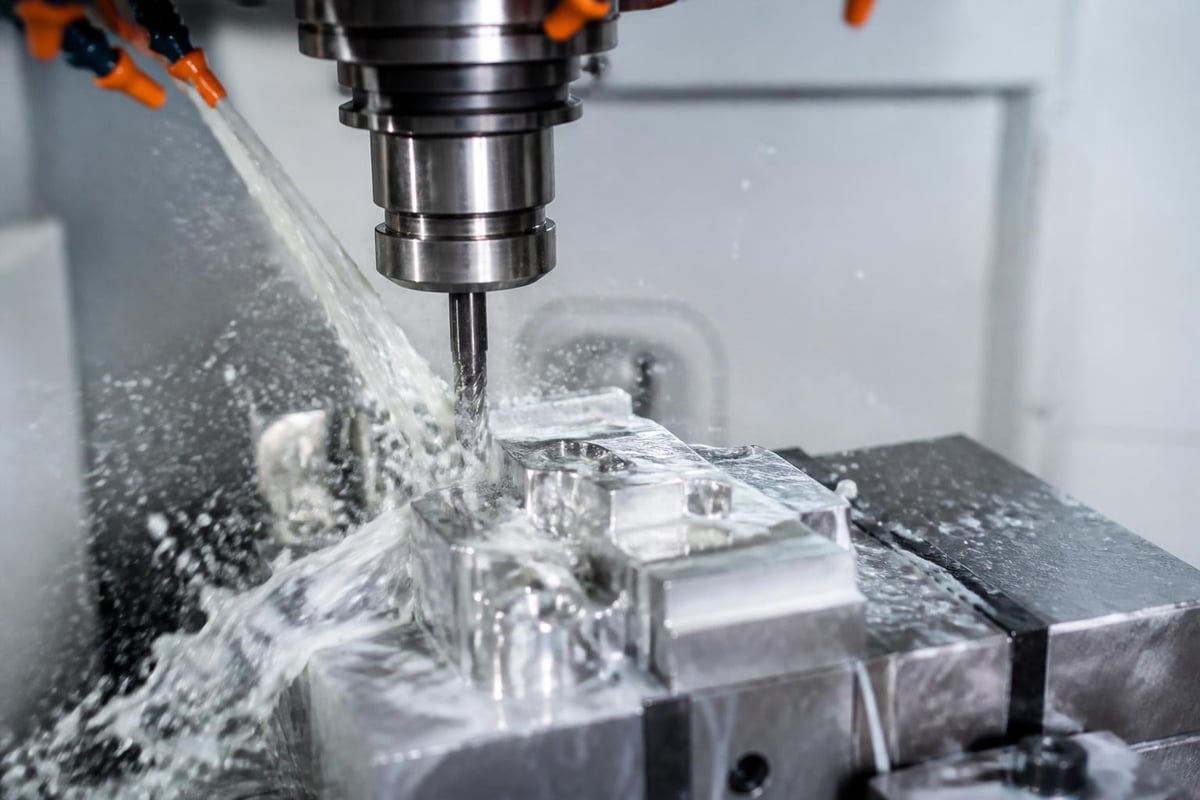 Rust Prevention and Corrosion Control
Industrial lubrication extends beyond active machining operations to encompass rust prevention during storage, transit, and inter-process handling. Manufacturers processing steel, cast iron, and other ferrous metals face constant challenges protecting finished components from atmospheric corrosion, particularly in humid climates or during seasonal temperature fluctuations.
Rust preventive oils form thin, protective films that displace moisture and create a barrier between metal surfaces and corrosive atmospheres. These specialized formulations must balance several competing requirements: easy application, complete surface coverage, effective protection duration, minimal residue, and simple removal before subsequent assembly or coating operations.
Formulation Strategies for Rust Prevention
Modern rust preventive formulations utilize either solvent-based or oil-based carriers combined with corrosion inhibitor additive packages. Solvent-based products offer rapid drying and thin film formation, making them ideal for components requiring minimal oil residue. Oil-based preventives provide longer protection periods and remain effective for outdoor storage or extended warehousing durations.
The chemistry of rust inhibitors has evolved significantly to address environmental regulations and performance demands. Barium sulfonates, calcium sulfonates, and amine-based inhibitors each offer distinct advantages for specific applications and storage conditions. Formulators select inhibitor systems based on required salt spray resistance, water displacement characteristics, and compatibility with subsequent manufacturing processes.
Protection duration by formulation type:
Soft-film preventives - Indoor storage 3-6 months, easy removal
Medium-duty oils - Indoor storage 6-12 months, solvent removal
Hard-film coatings - Outdoor exposure 12-24 months, mechanical removal required
VCI papers and emitters - Enclosed storage environments, complementary protection
Industrial facilities often combine multiple protection strategies, applying rust preventive oils to critical surfaces while using vapor-phase corrosion inhibitors in packaging or storage areas. This layered approach provides comprehensive protection throughout the supply chain.
Selection Criteria for Industrial Lubrication Systems
Choosing appropriate industrial lubrication products requires systematic evaluation of operational requirements, material compatibility, environmental conditions, and cost considerations. Manufacturing engineers and maintenance managers must balance immediate performance needs against long-term total cost of ownership.
Material Compatibility Considerations
Different metal types present distinct lubrication challenges that influence product selection. Aluminum and aluminum alloys require fluids formulated specifically to prevent staining and chemical etching, typically using neutral pH ranges between 8.5 and 9.2. Cast iron generates fine abrasive particles that accelerate fluid degradation, necessitating robust filtration systems and fluids with excellent particle suspension characteristics.
Copper and brass components present particular challenges due to their susceptibility to tarnishing and chemical reaction with certain additive chemistries. Fluids designed for multi-metal machining environments incorporate specialized corrosion inhibitors that protect both ferrous and non-ferrous materials simultaneously, though often with performance compromises compared to metal-specific formulations.
Metal Type | pH Range | Key Concerns | Recommended Fluid Type |
Carbon Steel | 8.8-9.4 | Rust prevention, heat dissipation | Semi-synthetic, soluble oil |
Stainless Steel | 8.5-9.0 | Chloride stress corrosion, tool life | Chlorine-free synthetic |
Aluminum Alloys | 8.5-9.2 | Staining, tramp oil rejection | Low-oil synthetic, aluminum-safe |
Cast Iron | 8.8-9.5 | Chip management, abrasion | High-alkalinity soluble oil |
Copper/Brass | 8.2-8.8 | Tarnishing, dezincification | Neutral synthetic, amine-free |
Operating Conditions and Performance Requirements
Cutting speed, depth of cut, and material removal rates directly influence lubricant selection decisions. High-speed machining operations generating significant heat benefit from synthetic fluids offering superior cooling capacity, while heavy interrupted cuts in tough alloys require the boundary lubrication performance provided by high-concentration soluble oils.
Water quality significantly impacts metalworking fluid performance and maintenance requirements. Hard water containing elevated calcium and magnesium levels can destabilize emulsions, reduce corrosion protection, and accelerate bacterial growth. Facilities with hard water supplies should select fluids specifically formulated for hard water tolerance or invest in water treatment systems.
Implementing Effective Lubrication Programs
Successful industrial lubrication extends beyond product selection to encompass comprehensive management programs addressing fluid monitoring, contamination control, maintenance procedures, and operator training. Designing an effective lubrication program requires systematic approaches that integrate technical requirements with operational realities.
Concentration Management and Testing Protocols
Maintaining proper fluid concentration represents one of the most critical yet frequently overlooked aspects of metalworking fluid management. Concentration drift occurs gradually through evaporation, carryout on parts and chips, and operator top-up practices. Operating below recommended concentration reduces corrosion protection, lubrication performance, and bacterial resistance, while excessive concentration wastes product and may cause residue issues.
Essential monitoring parameters:
Concentration (refractometer readings correlated to actual concentration)
pH value (target range specific to fluid type)
Tramp oil contamination levels
Bacterial and fungal counts
Particle contamination and swarf content
Modern facilities implement scheduled testing protocols with documented procedures and acceptance criteria. Weekly testing of high-volume systems combined with monthly comprehensive analysis provides early warning of developing issues before they impact production quality or worker health.
Contamination Control and Fluid Maintenance
Tramp oil infiltration from hydraulic leaks, slideway lubricants, and machine components represents a primary degradation mechanism in metalworking fluid systems. Tramp oil interferes with emulsion stability, reduces corrosion protection, provides nutrients for bacterial growth, and creates surface residues on machined parts.
Effective contamination control strategies combine source elimination, physical separation, and disposal procedures. Coalescers, disk skimmers, and belt skimmers mechanically remove floating tramp oil, while properly sized filtration systems control particulate contamination. Regular sump cleaning on established schedules prevents accumulation of settled solids that harbor bacteria and reduce system capacity.
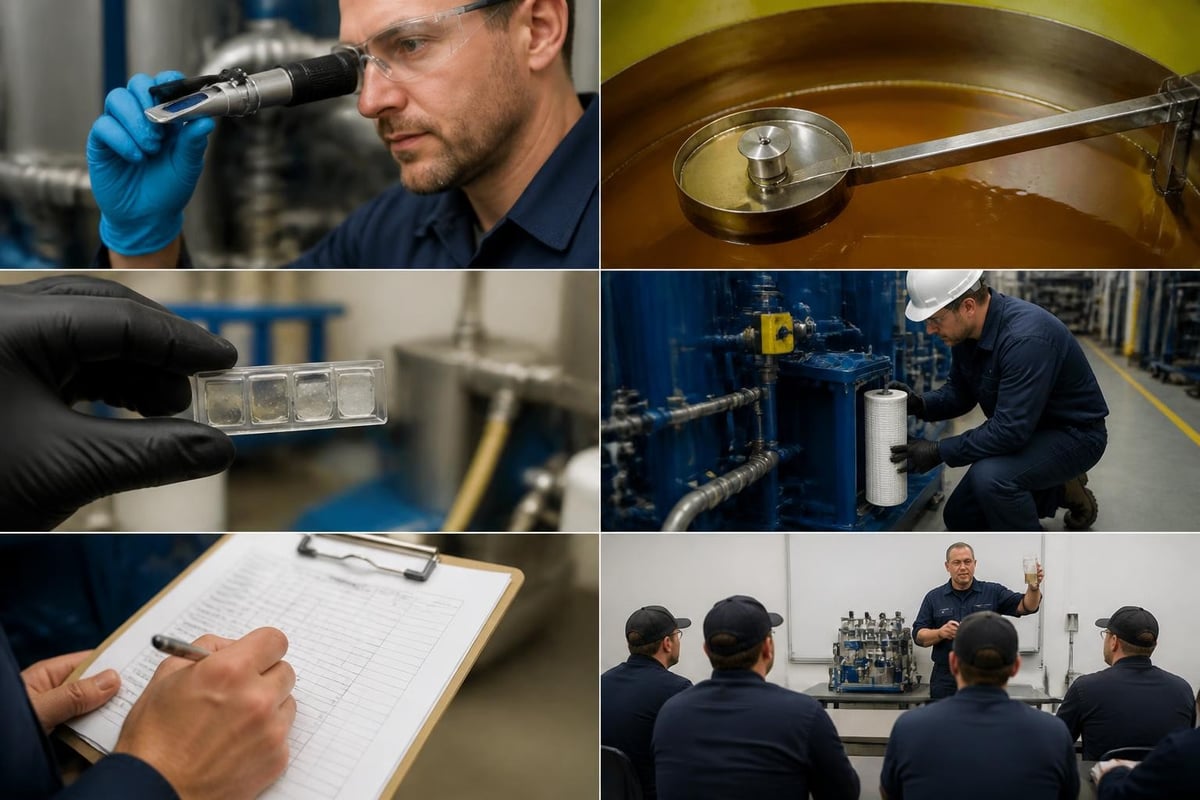 Safety and Regulatory Compliance
Industrial lubrication management intersects with worker safety, environmental regulations, and occupational health requirements that manufacturing facilities must address systematically. Understanding these obligations ensures compliance while protecting employees from potential hazards associated with metalworking fluid exposure.
Occupational Safety Considerations
Workers handling concentrated metalworking fluids, performing maintenance on lubrication systems, or working in environments with fluid mist exposure face potential health risks that require appropriate protective measures. OSHA guidance on machinery safety addresses safe practices during maintenance activities, including lockout/tagout procedures before servicing lubrication systems.
Skin contact with metalworking fluids can cause dermatitis, irritation, or allergic reactions, particularly with fluids containing biocides, corrosion inhibitors, or residual cutting fluid components. Providing appropriate personal protective equipment, implementing good housekeeping practices, and ensuring adequate ventilation in machining areas minimizes exposure risks.
Recommended safety practices include:
Protective gloves when handling concentrates or performing maintenance
Safety glasses or face shields during fluid mixing and transfer operations
Local exhaust ventilation in areas with visible mist generation
Regular equipment inspection for leaks or spray conditions
Employee training on proper handling and emergency response procedures
Environmental Compliance and Waste Management
Spent metalworking fluids represent hazardous waste in many jurisdictions, requiring compliant collection, storage, and disposal through licensed waste management contractors. Facilities must maintain records documenting waste generation volumes, disposal methods, and contractor certifications to demonstrate regulatory compliance during inspections.
Reducing waste generation through extended fluid life delivers both environmental and economic benefits. Implementing robust maintenance programs, controlling contamination sources, and selecting high-quality fluids with superior stability characteristics can extend sump life from months to years in well-managed systems.
Advanced Formulation and Custom Solutions
Standard commercial metalworking fluids address common applications effectively, but specialized operations often benefit from customized formulations optimized for specific materials, processes, or performance requirements. Lubricant manufacturers offering technical development capabilities partner with end users to create tailored solutions addressing unique operational challenges.
Custom Additive Package Development
Formulators developing proprietary metalworking fluids or rust preventive oils increasingly rely on specialized additive packages rather than blending from individual raw materials. This approach reduces formulation complexity, ensures consistent quality, and accelerates product development timelines. Additive package suppliers provide concentrated blends containing all necessary performance additives in balanced ratios optimized for specific applications.
Companies such as Guangzhou Rolitom Lubricant Technology leverage decades of formulation experience to develop Rust Preventive Additive Packages tailored for metalworking oils, neat cutting oils, and industrial anti-rust fluids, delivering reliable water displacement performance and enhanced salt spray resistance for ferrous metal parts during processing, storage, and transit.
Application-Specific Optimization
Die casting operations present unique lubrication challenges distinct from conventional machining applications. Release agents must withstand molten metal temperatures exceeding 600°C for aluminum alloys, provide effective mold release without causing surface defects, and minimize residue buildup that accelerates die wear. Water-based and solvent-based release agent chemistries each offer specific advantages depending on alloy type, die design, and production volume requirements.
Precision grinding operations require specialized fluids emphasizing cooling capacity, fine filtration compatibility, and minimal residue formation. These applications benefit from fully synthetic formulations delivering transparent solutions that enable visual inspection during operations while providing corrosion protection during inter-process storage.
Quality Control and Performance Validation
Ensuring consistent industrial lubrication performance requires systematic quality control programs addressing both incoming product specifications and in-service fluid condition. Manufacturing facilities implementing documented testing protocols identify developing issues before they impact production quality or generate unplanned downtime.
Incoming Product Verification
Establishing relationships with reputable lubricant suppliers providing comprehensive technical data sheets and quality documentation streamlines verification processes while ensuring product consistency. Key specifications to verify include concentrate density, viscosity, pH, reserve alkalinity, and refractive index factor for concentration monitoring.
Third-party laboratory analysis provides independent verification of critical performance characteristics including corrosion protection, emulsion stability, foaming tendency, and bacterial resistance. Annual or periodic testing of production lots confirms ongoing quality consistency and supplier reliability.
In-Service Performance Monitoring
Tracking fluid performance throughout its service life identifies optimization opportunities and validates maintenance effectiveness. Trending concentration, pH, tramp oil levels, and bacterial counts over time reveals patterns indicating contamination sources, maintenance deficiencies, or operational changes affecting fluid stability.
Comprehensive monitoring dashboard parameters:
Parameter | Test Method | Frequency | Action Limits |
Concentration | Refractometer | Weekly | ±0.5% of target |
pH | pH meter/strips | Weekly | ±0.3 units of target range |
Tramp Oil | Visual/lab test | Weekly | <5% by volume |
Bacteria | Dip slides | Bi-weekly | <10⁴ CFU/mL |
Particle Count | Laser counter | Weekly | ISO cleanliness target |
Industry Applications and Case Studies
Understanding how industrial lubrication strategies apply across different manufacturing sectors provides practical insights for optimizing specific operations. Each industry segment presents distinct challenges requiring tailored approaches to product selection and program management.
Automotive Component Manufacturing
Automotive parts suppliers machining engine blocks, transmission components, and structural elements operate high-volume production lines where consistent metalworking fluid performance directly impacts dimensional accuracy, surface finish, and production rates. These facilities typically process cast iron, aluminum alloys, and steel using identical fluid systems, requiring multi-metal formulations with balanced performance characteristics.
Extended sump life in large centralized systems delivering fluids to dozens of machine tools represents a primary economic driver. Facilities achieving 12-18 month fluid life through robust maintenance programs and contamination control realize significant cost savings compared to operations replacing fluids quarterly due to neglect or inadequate monitoring.
Precision Machining and Mold Making
Tool and die shops, mold manufacturers, and precision component suppliers face different challenges emphasizing surface finish quality, tight tolerances, and compatibility with expensive tooling. These operations frequently machine hardened steels, exotic alloys, and specialty materials requiring aggressive cutting conditions that test lubricant extreme pressure performance.
Smaller individual machine sumps enable fluid selection optimized for specific materials and operations rather than compromise formulations addressing multiple applications. This flexibility allows precision shops to maximize performance through specialized products while maintaining manageable inventory levels for production requirements.
Die Casting Operations
Aluminum, zinc, and magnesium die casting facilities require specialized release agents functioning under extreme thermal cycling conditions. These products must prevent molten metal adhesion to die surfaces, facilitate part ejection, and maintain stable spray patterns throughout production shifts while minimizing smoke generation and environmental impact.
Water-based release agent technology has largely replaced solvent-based products in modern die casting operations, offering improved workplace safety, reduced VOC emissions, and superior die temperature control. However, formulation complexity remains high due to competing requirements for release performance, thermal stability, and minimal residue buildup.
Emerging Technologies and Future Trends
Industrial lubrication technology continues evolving in response to manufacturing trends emphasizing sustainability, digitalization, and process intensification. Understanding emerging developments helps manufacturers prepare for future requirements while identifying opportunities to enhance current operations.
Sustainable and Bio-Based Formulations
Environmental regulations and corporate sustainability initiatives drive increasing interest in bio-based lubricants derived from renewable resources. Vegetable oil esters, synthetic esters from renewable feedstocks, and bio-based corrosion inhibitors enable formulation of high-performance products with improved biodegradability and reduced environmental impact compared to conventional petroleum-based lubricants.
However, bio-based materials present technical challenges including oxidative stability, low-temperature fluidity, and compatibility with existing equipment and processes. Successful implementation requires careful formulation work balancing environmental benefits against performance requirements and total cost considerations.
Digitalization and Predictive Maintenance
Sensor technology and industrial IoT platforms enable real-time monitoring of metalworking fluid systems, tracking concentration, temperature, pH, and conductivity continuously rather than through periodic manual testing. These systems generate alerts when parameters drift outside acceptable ranges, enabling proactive intervention before quality or production impacts occur.
Advanced analytics applied to historical performance data identify patterns correlating fluid condition with production quality metrics, tool life, and maintenance requirements. Predictive maintenance algorithms forecast fluid change intervals, component failures, and process optimization opportunities based on actual operating conditions rather than fixed schedules.
Minimum Quantity Lubrication and Near-Dry Machining
Minimum quantity lubrication (MQL) systems deliver microliter quantities of neat cutting oils directly to the cutting zone, eliminating the need for flood coolant systems while maintaining acceptable tool life and surface finish. This technology reduces fluid consumption by 95-99% compared to conventional approaches, simplifying waste management and improving workplace cleanliness.
However, MQL requires compatible tooling, machine design modifications to contain mist generation, and process optimization to achieve results comparable to flood cooling. Applications involving heavy cutting, complex geometries, or materials with poor machinability remain challenging for MQL implementation despite ongoing technical development.
Effective industrial lubrication strategies combine technical understanding, systematic management practices, and quality products optimized for specific manufacturing applications. Maintaining proper metalworking fluid concentration, controlling contamination, implementing scheduled monitoring, and selecting appropriate formulations for materials and processes deliver measurable improvements in tool life, surface finish quality, and operational costs. For manufacturers seeking reliable lubrication solutions backed by extensive formulation expertise and technical support, Guangzhou Rolitom Lubricant Technology CO.,LTD offers comprehensive product lines including metalworking fluids, rust preventive oils, and specialized additive packages developed through over 20 years of industrial experience serving global manufacturing operations.
Contact: LilyLu
Phone: +86 138 2603 0637
E-mail: lilylu@rolitom.com
Whatsapp:+8613826030637
Add: Room 426, No.1218 Zhongshan Avenue Middle, Tianhe District, Guangzhou City,China
We chat