The global lubricant manufacturing landscape has evolved dramatically in recent years, driven by technological advancement, environmental regulations, and shifting industrial demands. Lubricant manufacturers today face the dual challenge of meeting increasingly stringent performance standards while developing sustainable formulations that reduce environmental impact. For companies serving the metalworking, die-casting, and industrial sectors, understanding the technical capabilities, quality systems, and innovation strategies of leading manufacturers has become essential for maintaining competitive advantage and ensuring operational reliability.
The Manufacturing Process Behind Industrial Lubricants
Modern lubricant manufacturers employ sophisticated production processes that blend base oils, additives, and performance enhancers to create specialized formulations for specific applications. The manufacturing workflow typically begins with raw material qualification, where base stocks and additive packages undergo rigorous testing to verify specifications and compatibility. Quality control laboratories analyze viscosity, density, flash point, and chemical composition before materials enter production.
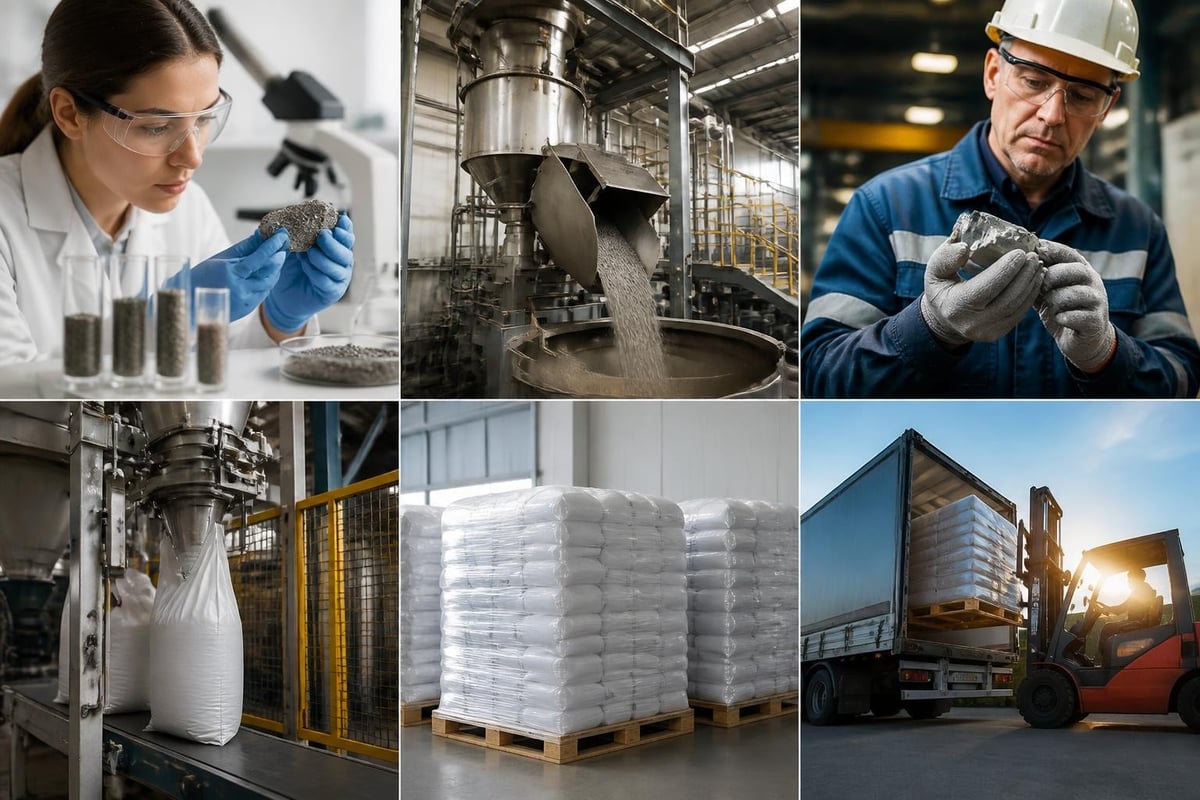
The blending process itself requires precise temperature control and mixing protocols. Lubricant manufacturers utilize heated mixing vessels equipped with high-shear agitators to ensure complete additive dispersion throughout the base oil matrix. For metalworking fluid additive packages, this stage determines the final product's emulsion stability, anti-wear properties, and corrosion protection performance.
After blending, finished products undergo comprehensive performance testing. This includes:
Emulsion stability testing under varying water hardness conditions
Four-ball wear testing to measure extreme pressure characteristics
Salt spray corrosion resistance evaluation
Foaming tendency and stability assessment
Bacterial contamination resistance studies
Only batches meeting all specifications proceed to packaging and distribution. Leading manufacturers maintain detailed production records for full traceability, essential for ISO 9001 certification and customer quality audits.
Technical Innovation in Lubricant Formulation
The research and development capabilities of lubricant manufacturers directly influence product performance and market competitiveness. In 2026, innovation focuses on several critical areas: biodegradable formulations, extended service life, enhanced cooling efficiency, and compatibility with advanced manufacturing processes. A recent life-cycle environmental impact assessment comparing conventional synthetic, bio-based, and hybrid nanolubricants provides valuable insights for manufacturers considering sustainable production pathways.
Metalworking Fluid Development
For metalworking applications, manufacturers concentrate on developing fluids that balance lubricity, cooling, and rust protection. Fully synthetic formulations offer superior cooling and cleanliness but require careful design to prevent staining on non-ferrous metals like aluminum and copper. Semi-synthetic products combine mineral oil lubricity with water-based cooling, requiring stable emulsifiers and robust corrosion inhibitors.
The formulation process involves selecting appropriate base oils, then building additive packages that deliver:
Extreme pressure and anti-wear protection through sulfur, phosphorus, or chlorine-based additives (though chlorine-free formulations are increasingly preferred)
Emulsion stability via anionic and nonionic surfactant combinations
Corrosion inhibition for ferrous and non-ferrous metals using amines, triazoles, and specialized inhibitor packages
Bioresistance through carefully balanced biocide systems that prevent bacterial and fungal contamination
Advanced manufacturers now offer customized formulations optimized for specific machining operations, from high-speed aluminum milling to difficult-to-machine materials like titanium alloys and hardened steels.
Quality Standards and Regulatory Compliance
Lubricant manufacturers operate within complex regulatory frameworks that vary by region and application sector. In North America, the Independent Lubricant Manufacturers Association (ILMA) provides critical regulatory guidance and industry advocacy. European manufacturers navigate REACH regulations concerning chemical registration and authorization, while Asian markets increasingly adopt ISO standards for product performance and environmental management.
Quality management systems form the backbone of reputable manufacturing operations. ISO 9001 certification demonstrates commitment to consistent product quality and continuous improvement. Many manufacturers also pursue ISO 14001 environmental management certification and ISO 45001 occupational health and safety certification to demonstrate comprehensive operational excellence.
The ICML 55 standard provides valuable guidance for optimized lubrication and lubricated asset management, influencing how manufacturers support customers beyond product supply. This includes technical training programs, contamination control protocols, and predictive maintenance strategies that extend equipment life and reduce total cost of ownership.
Certification | Focus Area | Industry Value |
ISO 9001 | Quality management systems | Consistent product performance and customer satisfaction |
ISO 14001 | Environmental management | Reduced environmental impact and regulatory compliance |
ISO 45001 | Occupational health and safety | Worker protection and risk mitigation |
REACH | Chemical substance regulation | EU market access and safety documentation |
Additive Package Development and Customization
The ability to develop specialized Lubricant Additive Packages separates leading manufacturers from commodity suppliers. Additive packages concentrate multiple performance-enhancing chemicals into formulations that customers can blend with base oils to create finished lubricants. This approach offers significant advantages for regional blenders and private-label manufacturers who lack in-house formulation expertise.
Lubricant manufacturers with strong R&D capabilities design additive packages for specific performance requirements. For rust preventive applications, packages combine corrosion inhibitors, water displacement agents, and film-forming compounds. The calcium salt and barium salt chemistries each offer distinct advantages depending on storage conditions, metal substrates, and environmental exposure.
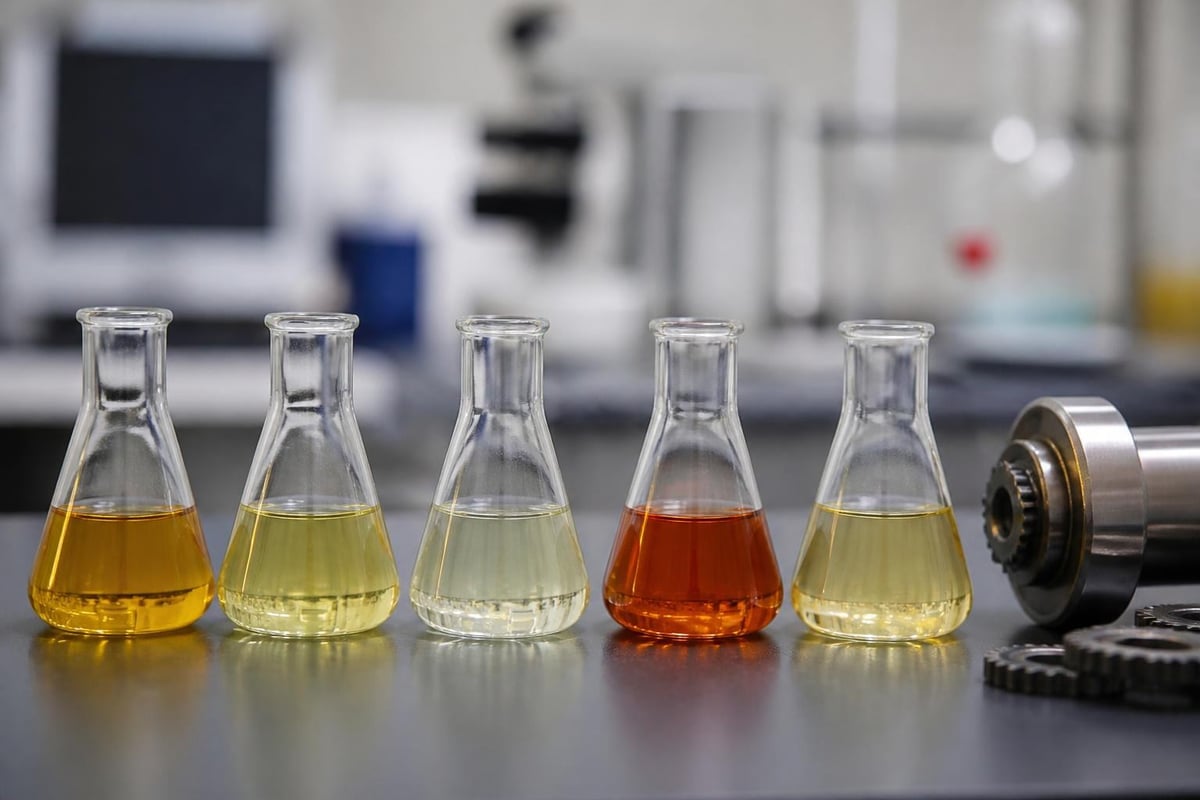
For metalworking applications, additive packages must balance competing demands. Extreme pressure additives that protect cutting tools under high loads can compromise emulsion stability. Corrosion inhibitors that excel on ferrous metals may stain copper and aluminum. Experienced manufacturers conduct extensive compatibility testing to optimize additive selection and concentration.
Recent advances in environmentally acceptable lubricant additives offer new opportunities for manufacturers developing bio-based or readily biodegradable products. Understanding the functionality, toxicity, and biodegradability of emerging additives enables manufacturers to meet customer sustainability goals without sacrificing performance.
Companies serving the die-casting industry benefit from specialized Rust Preventive Additive Packages that protect finished castings during storage and transportation. These formulations create thin, invisible protective films that withstand handling while remaining easy to remove before painting or assembly operations.
 Market Segments and Customer Requirements
Understanding distinct customer segments helps lubricant manufacturers develop targeted product portfolios and technical support services. The industrial lubricant market encompasses diverse applications, each with specific performance requirements and purchasing criteria.
Manufacturing and Machining Operations
Metal fabrication facilities require reliable MetalWorking Fluids that maintain stable performance across varying production conditions. These customers prioritize:
Consistent quality that eliminates rework and scrap from inadequate lubrication or corrosion
Extended sump life to reduce fluid disposal costs and minimize production interruptions
Operator safety through low-odor, low-mist formulations
Technical support for fluid management, concentration control, and troubleshooting
Manufacturers serving this segment often provide metalworking fluids in both ready-to-use and concentrated formulations, along with refractometer calibration guidance and maintenance protocols.
Die Casting Facilities
Aluminum, zinc, and magnesium die casters need specialized release agents that prevent molten metal adhesion while producing clean part surfaces. Performance requirements include high-temperature stability, minimal buildup on die surfaces, and compatibility with downstream coating processes. Lubricant manufacturers serving this sector develop water-based and solvent-based release agent formulations optimized for different alloy compositions and production speeds.
Lubricant Blenders and Distributors
Regional blenders and private-label manufacturers represent a distinct customer category. These companies purchase base oils and additive packages, then formulate finished products under their own brands. They require:
Detailed technical data sheets with formulation guidelines
Consistent additive package specifications for batch-to-batch uniformity
Regulatory compliance documentation for safety data sheets and hazard labeling
Application support to help their customers select appropriate products
Global Supply Chain and Distribution Networks
The geographical distribution of lubricant manufacturers reflects both raw material availability and proximity to key industrial markets. Major production centers exist in North America, Europe, and Asia, with regional manufacturers serving local markets and multinational companies operating global distribution networks.
Supply chain management has grown increasingly complex due to raw material volatility, shipping disruptions, and evolving customer expectations for rapid delivery. Successful manufacturers maintain strategic inventory positions at multiple locations, enabling responsive delivery to time-sensitive customers.
Lubricant manufacturers also navigate complex logistics for hazardous materials classification and transportation. Many metalworking fluids and additive packages carry hazard classifications requiring specialized packaging, labeling, and transport documentation. Understanding international shipping requirements enables manufacturers to serve export markets efficiently.
The relationship between manufacturers and technical distributors proves particularly important in industrial markets. Distributors provide local inventory, technical support, and application expertise that complement manufacturers' product development capabilities. Effective partnerships between manufacturers and distributors create value through:
Local technical training for distributor sales teams
Joint customer visits to solve application challenges
Market intelligence sharing to identify emerging opportunities
Coordinated inventory management to optimize stock levels
Technical Support and Customer Service Excellence
Beyond product quality, technical support capabilities differentiate leading lubricant manufacturers in competitive markets. Industrial customers increasingly expect suppliers to function as technical partners who help optimize performance, reduce costs, and solve operational challenges.
Comprehensive technical support programs include:
Application engineering to recommend optimal products for specific processes and materials
Fluid analysis services to monitor metalworking fluid condition and predict maintenance needs
On-site training for operators and maintenance personnel
Troubleshooting support for corrosion issues, emulsion instability, and foam problems
Formulation customization to address unique customer requirements
Some manufacturers maintain dedicated customer laboratories where they evaluate customer-supplied materials under controlled conditions, providing data-driven recommendations for fluid selection and operational parameters.
The ability to analyze competitive products also adds value. When customers experience good results with incumbent suppliers, understanding the competitive formulation's key performance characteristics enables manufacturers to develop equivalent or superior alternatives.
Sustainability and Environmental Responsibility
Environmental considerations increasingly influence product development and manufacturing operations. Lubricant manufacturers face growing pressure to reduce hazardous ingredients, improve biodegradability, and minimize waste generation throughout the product lifecycle.
Modern formulation strategies emphasize:
Eliminating heavy metals like barium from rust preventive formulations
Removing chlorinated extreme pressure additives in favor of phosphorus and sulfur alternatives
Developing readily biodegradable base fluids from renewable sources
Reducing volatile organic compounds in solvent-based products
Designing concentrated formulations that minimize packaging and transportation impacts
Manufacturers also invest in production efficiency improvements that reduce energy consumption, water usage, and waste generation. Closed-loop systems that recover and recycle process water, heat recovery from blending operations, and optimized packaging designs all contribute to reduced environmental footprint.
Recent research on engine oil standards and specifications demonstrates how evolving technical requirements in automotive markets influence industrial lubricant development. Although distinct from metalworking applications, advancements in additive chemistry and performance testing methodologies often transfer across lubricant categories.
 Future Trends Shaping Lubricant Manufacturing
The lubricant manufacturing industry continues evolving in response to technological change, regulatory pressure, and customer expectations. Several trends will shape the sector through the remainder of this decade:
Digital integration transforms how manufacturers interact with customers. Online product selectors, digital technical data libraries, and remote monitoring systems enable customers to access information and support without waiting for sales representative visits. Smart sensors embedded in metalworking fluid sumps transmit real-time concentration and condition data, enabling predictive maintenance and automated reordering.
Specialized niche products gain market share as manufacturers move beyond commodity offerings. Custom formulations for specific alloys, machining processes, or operating environments command premium pricing and build customer loyalty. This trend favors manufacturers with strong R&D capabilities and flexible production systems that accommodate smaller batch sizes.
Sustainability certifications become competitive differentiators. Third-party validation of environmental claims through programs like EcoLabel or Nordic Swan provides credibility that simple manufacturer statements cannot match. Developing products that meet certification criteria requires upfront investment but opens access to environmentally conscious customers.
Consolidation continues as larger manufacturers acquire smaller regional players to expand geographical reach and technical capabilities. This creates opportunities for mid-sized manufacturers who can offer specialized expertise and responsive service that multinational corporations may struggle to deliver.
Trend | Impact on Manufacturers | Customer Benefits |
Digital integration | Investment in IT infrastructure and data management | 24/7 access to technical information and support |
Specialized products | Need for flexible production and R&D capabilities | Solutions optimized for specific applications |
Sustainability certification | Reformulation efforts and third-party audits | Verified environmental performance claims |
Industry consolidation | Market share shifts and partnership changes | Broader product portfolios from merged entities |
The ability to adapt quickly to changing customer requirements separates thriving manufacturers from those struggling to maintain relevance. Companies that invest in technical capabilities, maintain quality systems, and build strong customer relationships position themselves for long-term success regardless of short-term market fluctuations.
For manufacturers serving the metalworking and die-casting sectors, the emphasis on application-specific formulations continues growing. Generic cutting fluids and rust preventive oils increasingly give way to specialized products engineered for particular materials, processes, and operating conditions. This evolution rewards manufacturers who understand customer applications deeply and can translate that understanding into superior product performance.
Success in the industrial lubricant sector requires manufacturers to balance technical innovation, quality consistency, regulatory compliance, and customer support excellence. As customer expectations evolve and competitive pressures intensify, partnering with experienced suppliers who understand metalworking and die-casting applications becomes increasingly valuable. Guangzhou Rolitom Lubricant Technology CO.,LTD brings over 20 years of formulation expertise to customers seeking reliable metalworking fluids, rust preventive oils, and customized additive packages that solve real production challenges. Contact our technical team to discuss how our specialized products can optimize your manufacturing operations.
Contact: LilyLu
Phone: +86 138 2603 0637
E-mail: lilylu@rolitom.com
Whatsapp:+8613826030637
Add: Room 426, No.1218 Zhongshan Avenue Middle, Tianhe District, Guangzhou City,China
We chat