Manufacturing operations depend on precise lubrication systems to maintain productivity, protect equipment, and ensure product quality. The role of lubricants for manufacturing extends far beyond simple friction reduction, encompassing thermal management, corrosion protection, and contaminant removal. Modern industrial facilities require sophisticated lubrication solutions tailored to specific applications, from high-speed machining centers to heavy-duty forming operations. Understanding the critical functions and selection criteria for industrial lubricants enables manufacturers to optimize performance while controlling operational costs.
Understanding Industrial Lubrication Fundamentals
Lubricants for manufacturing serve multiple critical functions within production environments. Friction reduction remains the primary objective, but modern formulations address complex challenges including heat dissipation, chip evacuation, and surface protection. The selection of appropriate lubrication products directly impacts tool life, surface finish quality, and overall equipment effectiveness.
Manufacturing lubricants typically fall into several distinct categories based on their chemical composition and intended application. Mineral oil-based products offer excellent lubricity and thermal stability for conventional machining operations. Synthetic formulations provide enhanced performance characteristics, including superior oxidation resistance and extended service intervals. Water-based solutions deliver effective cooling properties while supporting environmentally responsible manufacturing practices.
Critical Performance Characteristics
The effectiveness of lubricants for manufacturing depends on specific performance attributes that align with operational requirements:
Viscosity stability across operating temperature ranges
Load-carrying capacity for high-pressure metal-forming applications
Thermal conductivity to manage heat generation during cutting operations
Corrosion inhibition to protect workpieces and machinery components
Foam resistance to maintain consistent lubrication delivery
Base oil quality forms the foundation of lubricant performance, with studies showing that oil structure and viscosity significantly impact manufacturing efficiency in various industrial processes. The selection between mineral, synthetic, or bio-based oils requires careful consideration of operational parameters and performance objectives.
Metalworking Fluid Applications
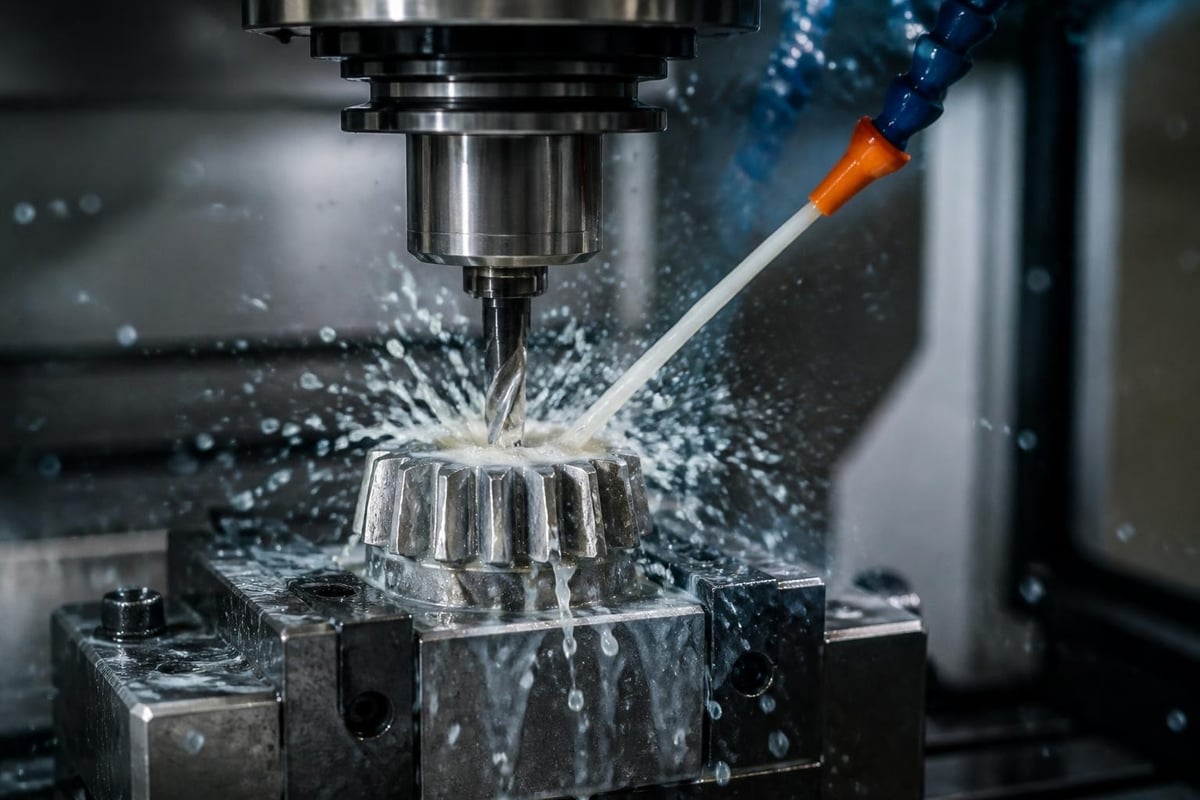
MetalWorking Fluids represent a specialized category of lubricants for manufacturing, designed specifically for cutting, grinding, and forming operations. These formulations balance cooling efficiency with lubrication performance to optimize tool life and surface finish quality. The choice between straight oils, soluble oils, semi-synthetic, and fully synthetic fluids depends on material characteristics and process requirements.
Cutting operations generate substantial heat that can compromise tool integrity and workpiece dimensional accuracy. Proper fluid selection manages thermal loads while maintaining sufficient boundary lubrication at the tool-chip interface. Semi-synthetic formulations offer balanced performance for general machining applications, combining the lubricity of oil-based products with the cooling efficiency of water-based solutions.
Fluid Selection by Material Type
Different workpiece materials require specific lubrication approaches to achieve optimal results:
Material Type | Recommended Fluid | Key Considerations |
Carbon Steel | Soluble oil or semi-synthetic | Good lubricity, corrosion protection |
Stainless Steel | Synthetic or semi-synthetic | Chlorine-free, extreme pressure additives |
| Aluminum Alloys | Synthetic or semi-synthetic | Non-staining, alkaline stability |
Cast Iron | Soluble oil or synthetic | Chip settling, bacterial resistance |
Titanium Alloys | Synthetic with EP additives | Superior cooling, high lubricity |
Manufacturing facilities processing multiple material types benefit from versatile formulations that deliver consistent performance across diverse applications. The Semi-Finished Compound Lubricant FS101 exemplifies this approach, providing a low-oil semi-synthetic solution that simplifies inventory management while protecting steel, aluminum, and copper components. This type of ready-to-dilute concentrate reduces the complexity of fluid management in multi-material production environments.
Rust Prevention in Manufacturing Environments
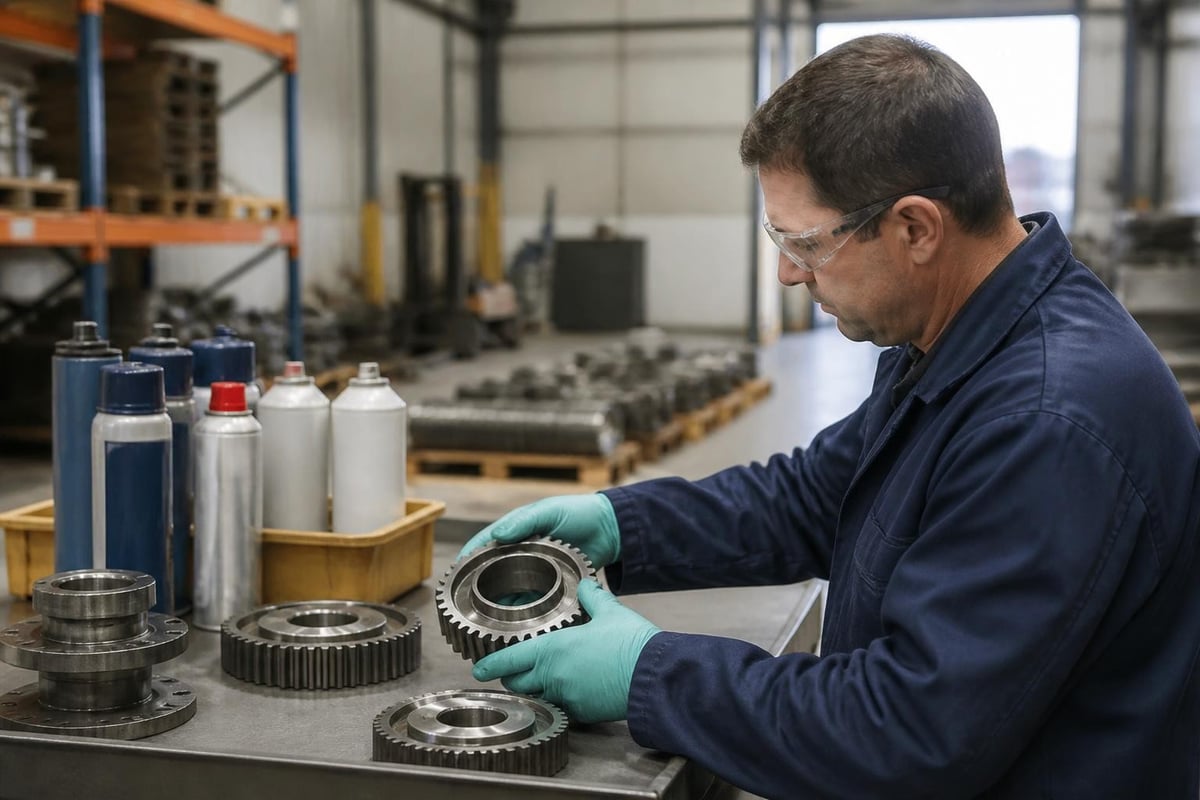
Corrosion protection represents a critical concern for manufacturers managing work-in-process inventory and finished goods storage. Rust preventive oils create protective barriers on metal surfaces, preventing moisture-induced oxidation during storage and transit. The selection of appropriate Rust Preventive Additive Packages determines protection duration and compatibility with subsequent manufacturing processes.
Manufacturing operations require different levels of corrosion protection based on storage conditions and timeframes. Thin-film rust preventives provide short-term protection for components moving quickly through production cycles. Thick-film formulations offer extended protection for long-term storage or outdoor exposure scenarios.
Protection Duration and Application Methods
The implementation of effective corrosion protection requires matching product characteristics to specific operational needs:
Dip application for small components and complex geometries
Spray application for large assemblies and structural elements
Brush-on formulations for selective protection of critical areas
Vapor phase inhibitors for enclosed storage environments
Modern rust preventive formulations emphasize environmental responsibility while maintaining protection effectiveness. Water-soluble corrosion inhibitors enable easy removal during subsequent processing steps, reducing cleaning time and chemical waste generation.
Formulation Chemistry and Additive Technology
The performance of lubricants for manufacturing depends on sophisticated additive packages that enhance base oil properties. Extreme pressure additives prevent metal-to-metal contact under heavy loads by forming protective chemical films on surface asperities. Anti-wear agents reduce friction through boundary lubrication mechanisms, extending component service life.
Metalworking fluid additive packages combine multiple performance enhancers to address specific application requirements. Formulation chemists balance competing objectives, including corrosion protection, foam control, bacterial resistance, and environmental compatibility. The development of effective additive systems requires extensive testing under realistic operating conditions.
Key Additive Categories
Manufacturing lubricant formulations incorporate specialized additives to achieve desired performance characteristics:
Additive Type | Primary Functio | Common Applications |
EP Additive | Prevent seizure under extreme pressur | Heavy machining, gear cutting |
Corrosion Inhibitors | Protect ferrous and non-ferrous metal | All metalworking operations |
Biocide | Control bacterial and fungal growt | Water-based fluids |
Defoamers | Prevent foam formatio | High-agitation systems |
Emulsifiers | Stabilize oil-water mixture | Soluble oils, semi-synthetics |
The integration of nano-enhanced additives in industrial lubricants represents an emerging technology with potential to improve sustainability while maintaining or enhancing performance characteristics. These advanced formulations demonstrate how ongoing research continues to advance lubrication technology.
Environmental and Regulatory Considerations
Manufacturing facilities face increasing pressure to implement environmentally responsible lubrication practices. Regulatory frameworks govern lubricant composition, disposal methods, and workplace exposure limits. Chlorine-free formulations have largely replaced older extreme pressure additives containing hazardous substances, demonstrating industry commitment to safer products.
The shift toward sustainable manufacturing influences lubricant selection decisions across multiple dimensions. Bio-based lubricants derived from renewable resources offer reduced environmental impact compared to petroleum-based alternatives. However, adoption requires careful evaluation of performance characteristics and cost implications.
Compliance and Sustainability
Organizations such as ILMA and ATIEL provide guidance on industry standards and best practices for lubricant manufacturers. These resources help facilities navigate complex regulatory requirements while implementing effective lubrication programs.
Modern lubricants for manufacturing must satisfy multiple stakeholder requirements:
Regulatory compliance with environmental and safety regulations
Worker safety through reduced exposure to hazardous substances
Waste minimization via extended fluid life and efficient disposal
Energy efficiency supporting overall sustainability objectives
The development of environmentally preferential products continues to accelerate, driven by both regulatory requirements and market demand for sustainable manufacturing practices.
Fluid Management and Maintenance Programs
Effective lubrication requires systematic management practices that extend beyond initial product selection. Centralized fluid systems deliver consistent lubrication to multiple machines while enabling continuous monitoring of fluid condition. Regular testing and maintenance prevent performance degradation and extend service intervals.
Manufacturing facilities implementing comprehensive fluid management programs achieve significant operational benefits. Predictive maintenance based on fluid condition monitoring reduces unplanned downtime while optimizing replacement intervals. Proper concentration control ensures consistent performance across production cycles.
Monitoring and Testing Protocols
Systematic fluid monitoring identifies potential issues before they impact production quality:
Concentration measurement using refractometers or titration methods
pH monitoring to detect bacterial contamination or additive depletion
Particle counting for contamination control
Tramp oil measurement to maintain emulsion stability
Documentation of testing results enables trend analysis and supports continuous improvement initiatives. Digital monitoring systems provide real-time visibility into fluid condition across multiple production lines, facilitating proactive maintenance decisions.
Application-Specific Lubrication Solutions
Different manufacturing processes require specialized lubricant formulations optimized for specific operational characteristics. Grinding operations generate extreme temperatures that demand superior cooling capacity with minimal lubrication film thickness. Forming processes require heavy-duty lubricants capable of withstanding extreme pressure while preventing workpiece surface damage.
The diversity of manufacturing applications necessitates comprehensive product portfolios addressing varied operational requirements. Manufacturers benefit from working with suppliers offering technical support to optimize lubricant selection and application methods.
Process-Specific Requirements
Manufacturing processes impose distinct demands on lubrication systems:
Process Type | Critical Requirements | Typical Formulations |
High-Speed Machining | Excellent cooling, low viscosity | Synthetic or semi-synthetic |
Heavy-Duty Cutting | EP protection, chip evacuation | Soluble oil or semi-synthetic |
Precision Grinding | Fine filtration, minimal residue | Synthetic fluids |
Cold Forming | Film strength, corrosion protection | Neat oils or emulsion |
Thread Rolling | Boundary lubrication, clean operation | Synthetic or neat oils |
Understanding these process-specific requirements enables manufacturers to optimize lubricant selection while avoiding costly trial-and-error approaches.
Economic Impact of Proper Lubrication
Investment in quality lubricants for manufacturing generates measurable returns through multiple mechanisms. Extended tool life reduces replacement costs and machine downtime for tool changes. Improved surface finish minimizes secondary finishing operations and scrap rates. Enhanced productivity through optimized cutting parameters increases throughput without additional capital investment.
Total cost of ownership analysis considers initial product cost alongside operational benefits and disposal expenses. Premium lubricants commanding higher purchase prices often deliver superior overall value through extended service life and enhanced performance characteristics. Comprehensive cost analysis should include indirect factors such as reduced maintenance requirements and improved workplace safety.
Return on Investment Factors
Manufacturers evaluating lubrication programs should quantify multiple benefit categories:
Direct cost savings from reduced consumption and waste disposal
Tool cost reduction through extended cutting tool service life
Quality improvement minimizing rework and scrap expenses
Productivity gains from faster cycle times and reduced downtime
Maintenance savings through extended equipment service intervals
The latest industry news provides insights into emerging technologies and best practices that enhance lubrication program effectiveness. Staying informed about industry developments enables continuous improvement in manufacturing operations.
Future Trends in Industrial Lubrication
The evolution of lubricants for manufacturing continues to accelerate, driven by technological advancement and changing market requirements. Smart lubricants incorporating condition-monitoring capabilities enable real-time performance assessment and predictive maintenance strategies. Minimum quantity lubrication (MQL) systems reduce fluid consumption while maintaining effective lubrication and cooling.
Additive manufacturing and advanced materials processing introduce new lubrication challenges requiring innovative solutions. The development of specialized formulations for these emerging applications represents a significant focus area for lubricant manufacturers and research institutions.
Innovation Drivers
Several key trends shape the future development of manufacturing lubricants:
Digitalization enabling data-driven fluid management decisions
Sustainability driving bio-based and biodegradable formulations
Performance enhancement through nanotechnology and advanced additives
Regulatory compliance requiring reformulation of legacy products
Process integration linking lubrication with overall manufacturing systems
These trends create both challenges and opportunities for manufacturers seeking to optimize their lubrication programs while preparing for future technological requirements.
Selecting and managing lubricants for manufacturing requires balancing performance requirements, environmental considerations, and economic objectives within complex production environments. Quality lubrication programs deliver measurable benefits through extended equipment life, improved product quality, and enhanced operational efficiency. Guangzhou Rolitom Lubricant Technology CO.,LTD leverages over 20 years of industry experience to develop advanced metalworking fluids, rust preventive oils, and Lubricant Additive Packages that address the evolving needs of modern manufacturing operations. Contact their technical team to discuss customized lubrication solutions optimized for your specific production requirements.
Contact: LilyLu
Phone: +86 138 2603 0637
E-mail: lilylu@rolitom.com
Whatsapp:+8613826030637
Add: Room 426, No.1218 Zhongshan Avenue Middle, Tianhe District, Guangzhou City,China
We chat