Metal cutting fluid serves as the lifeblood of modern manufacturing operations, directly impacting tool life, surface finish quality, and overall machining efficiency. Whether you're running high-speed CNC operations or precision grinding processes, selecting and maintaining the right cutting fluid formulation determines your competitive edge. This comprehensive guide examines the technical aspects of metal cutting fluid systems, from chemistry fundamentals to real-world application strategies that solve common workshop challenges.
Understanding Metal Cutting Fluid Chemistry and Classification
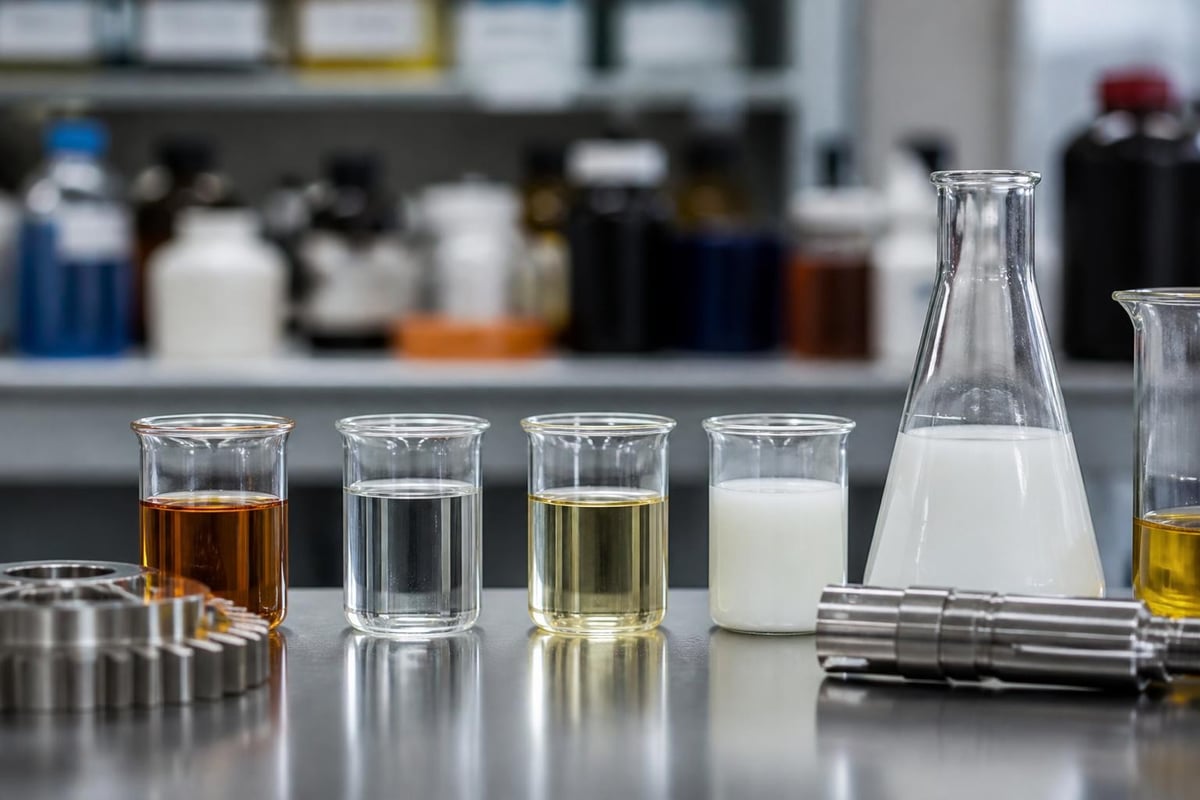
Metal cutting fluid formulations fall into four primary categories, each designed for specific machining conditions and material combinations. Straight oils contain no water and deliver maximum lubrication for heavy-duty operations like gear hobbing and broaching. Soluble oils create milky emulsions when mixed with water, balancing cooling and lubrication for general-purpose machining. Semi-synthetic fluids combine synthetic additives with mineral oil for enhanced performance across diverse materials. Fully synthetic fluids contain no petroleum oil, offering superior cooling capacity and extended sump life for high-volume production environments.
The chemical composition directly influences performance characteristics. Extreme pressure additives create protective boundary films under high contact stress, preventing tool welding and extending edge life. Corrosion inhibitors protect both workpieces and machine tool surfaces from oxidation, particularly critical when machining ferrous metals. Biocides control bacterial and fungal growth in water-based systems, preventing fluid degradation and offensive odors that plague poorly maintained sumps.
Performance Requirements Across Different Metals
Ferrous metals including carbon steel, stainless steel, and cast iron demand different fluid chemistries than non-ferrous alloys. Carbon steel machining requires robust rust prevention combined with adequate lubrication to handle the abrasive chips generated during cutting. Stainless steel presents severe work-hardening challenges that necessitate high-lubricity formulations to reduce friction and built-up edge formation.
Aluminum machining introduces unique considerations. The soft, sticky nature of aluminum requires excellent chip flushing capability and anti-welding additives to prevent material transfer to cutting edges. Copper alloys need specialized corrosion inhibitors since many standard additives cause staining or discoloration on brass and bronze surfaces.
Metal Type | Primary Fluid Requirement | Critical Additive | Common Challenge |
Carbon Steel | Rust prevention + cooling | Corrosion inhibitor | Oxidation during storage |
Stainless Steel | High lubricity | EP additives | Work hardening |
Aluminum | Chip flushing | Anti-welding agent | Material transfer |
Cast Iron | Dust control | Wetting agent | Dry chip managemen |
Copper Alloys | Stain prevention | Non-staining inhibitor | Surface discoloration |
Optimizing Fluid Selection for Specific Machining Operations
Turning operations generate continuous chips and require fluids that provide consistent lubrication at the tool-chip interface while effectively evacuating swarf from the cutting zone. High-pressure coolant delivery systems work best with lower-viscosity formulations that maintain adequate film strength under thermal stress. According to OSHA's MetalWorking Fluids manual, proper fluid selection reduces both tool wear and worker exposure to hazardous mist.
Milling creates interrupted cuts that subject tools to thermal cycling and mechanical shock. The fluid must cushion impact loads while rapidly cooling tool edges between engagements. Semi-synthetic formulations excel in these applications, combining the lubricity of mineral oil with the superior heat transfer of water-based systems.
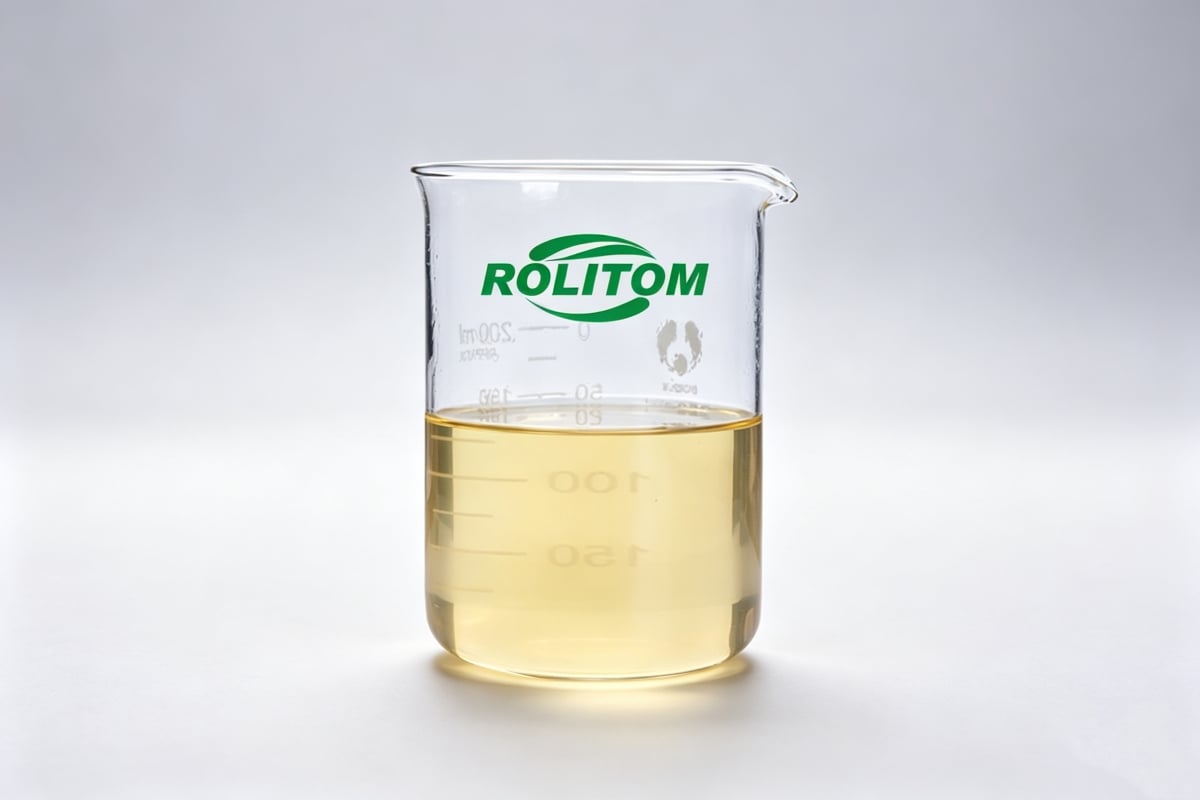
Grinding operations demand exceptional cooling capacity since the process generates intense localized heat from thousands of abrasive contact points. Fully synthetic cutting fluids dominate precision grinding because they maintain transparency for visual inspection, resist bacterial contamination, and deliver consistent surface finishes across extended production runs. For manufacturers seeking reliable synthetic formulations, Fully Synthetic Compound Concentrate FS600 offers eco-friendly performance with fast defoaming properties and excellent hard water tolerance, extending tool life when processing cast iron, alloy steel, and carbon steel components.
Concentration Management and Monitoring Protocols
Water-dilutable metal cutting fluid systems require precise concentration control to maintain performance specifications. Refractometer testing provides quick field measurements, though results need correction factors specific to each fluid chemistry. Target concentrations typically range from 3-10% for general machining, with grinding operations often running leaner at 2-5% to maximize cooling efficiency.
Concentration drift occurs naturally through water evaporation, dragout on parts and chips, and system leakage. Makeup procedures should add pre-mixed fluid rather than concentrating existing sump contents, preventing additive imbalance. Weekly monitoring catches concentration shifts before they impact production quality or tool performance.
Refractometer readings: Daily checks at consistent temperature
pH measurement: Weekly testing maintains 8.5-9.5 range
Bacterial counts: Monthly lab analysis prevents biofouling
Tramp oil removal: Continuous skimming extends fluid life
Chip filtration: Proper sizing prevents recirculation damage
Extending Sump Life Through Proactive Maintenance
Metal cutting fluid degradation follows predictable patterns when maintenance lapses. Bacterial contamination produces the characteristic "Monday morning smell" from anaerobic sulfate-reducing bacteria that thrive in stagnant weekend sumps. The Illinois Sustainable Technology Center's metalworking fluids research documents how proper fluid management reduces disposal costs while improving worker health outcomes.
Tramp oil contamination from machine way lubes and hydraulic leaks creates multiple problems. Oil floating on sump surfaces blocks oxygen transfer, promoting anaerobic bacterial growth. It coats machine surfaces, creating slip hazards and interfering with part cleaning. Most critically, tramp oil depletes corrosion inhibitors and emulsifiers, reducing fluid performance.
Mechanical separation using disc skimmers, belt collectors, or coalescing filters removes tramp oil before it integrates into the emulsion. Regular skimming maintains cleaner working conditions and can double functional sump life compared to neglected systems.
Bacterial and Fungal Control Strategies
Microbial growth represents the primary failure mode for water-based metal cutting fluid systems. Aerobic bacteria consume organic components in the fluid, producing acidic metabolites that drop pH and corrode machine tools. Fungi create sticky biofilms that clog filters and distribution lines while generating allergenic spores.
Prevention starts with proper initial mixing using clean, low-hardness water at correct concentrations. Bacterial inoculation often occurs through contaminated makeup water or introducing used fluid from other machines. Once established, biofilms protect bacterial colonies from standard biocide treatments.
Control requires multi-layered approaches:
Maintain proper concentration - Dilute fluids below minimum concentration invite bacterial proliferation
Control pH levels - Keep pH above 8.5 to inhibit most problem organisms
Eliminate dead zones - Ensure complete sump circulation prevents stagnant areas
Apply biocides judiciously - Shock treatments when bacterial counts exceed 10^6 CFU/mL
Practice good housekeeping - Remove chips promptly and prevent organic debris accumulation
Advanced Formulation Considerations for Modern Machining
Contemporary manufacturing demands push traditional metal cutting fluid formulations toward enhanced performance boundaries. Minimum quantity lubrication (MQL) systems apply micro-droplets of neat cutting oil directly to the tool-workpiece interface, reducing fluid consumption by 95% compared to flood cooling. MQL works particularly well for drilling and tapping operations in aluminum and cast iron.
High-pressure coolant delivery through tool spindles enables faster cutting speeds and deeper depths of cut. These systems require low-viscosity fluids that flow freely through narrow internal passages while maintaining film strength at elevated pressures. Recent research on vision-based control for automated metal cutting demonstrates how advanced monitoring can optimize coolant application in robotic manufacturing cells.
Vegetable-based cutting fluids address environmental and worker health concerns associated with petroleum products. These bio-based formulations offer excellent lubricity and biodegradability but require enhanced oxidation stability to prevent rancidity. They work particularly well in sensitive applications where petroleum odors or disposal complications present challenges.
Fluid Technology | Consumption Rate | Initial Cost | Environmental Impact | Best Application |
Flood Cooling | High (100%) | Low | Moderate disposal burden | General machining |
MQL Systems | Very low (5%) | Moderate equipment | Minimal waste | Drilling, tapping |
High-Pressure Through-Tool | Moderate (60%) | High equipment | Standard disposal | Deep hole drilling |
Vegetable-Based | Moderate (70%) | Premium fluid | Low environmental impact | Food-grade parts |
Troubleshooting Common Fluid Performance Issues
Surface finish deterioration often signals inadequate lubrication at cutting speeds or concentrations. Increasing fluid concentration by 1-2% or switching to semi-synthetic formulations with higher oil content typically resolves these issues. Conversely, excessive foaming indicates over-concentration or contamination with cleaners and hand soaps that workers sometimes add inappropriately.
Rust staining on machined parts between operations points to insufficient corrosion inhibitor levels or bacterial consumption of protective additives. Fresh fluid addition restores protection, though severe contamination may require complete sump cleaning and recharge. The metalworking fluid additive packages from specialized formulators enhance rust resistance when dilution or degradation depletes original inhibitor concentrations.
Tool life reduction without obvious wear patterns suggests thermal issues rather than lubrication failure. Check coolant flow rates, nozzle positioning, and concentration levels. Switching from soluble oil to semi-synthetic or fully synthetic formulations improves heat removal in challenging applications.
Addressing Operator Health and Safety Concerns
Metal cutting fluid mist exposure presents respiratory risks, particularly with older soluble oil formulations containing sulfurized extreme pressure additives. Modern fluid designs minimize mist generation through improved emulsion stability and lower volatility. Machine enclosures with mist collection systems protect operators while maintaining visibility of the cutting process.
Dermatitis from prolonged skin contact affects workers who handle parts or service machines. Protective creams create barriers while proper hand-washing facilities encourage hygiene. Fluid formulations eliminating known sensitizers like formaldehyde-releasing biocides reduce allergic reactions.
Install effective mist collection on all machining centers
Provide nitrile gloves resistant to cutting fluid chemicals
Establish hand-washing stations with pH-neutral soaps
Train operators on proper fluid handling procedures
Monitor air quality in enclosed machining environments
Economic Analysis of Fluid Management Programs
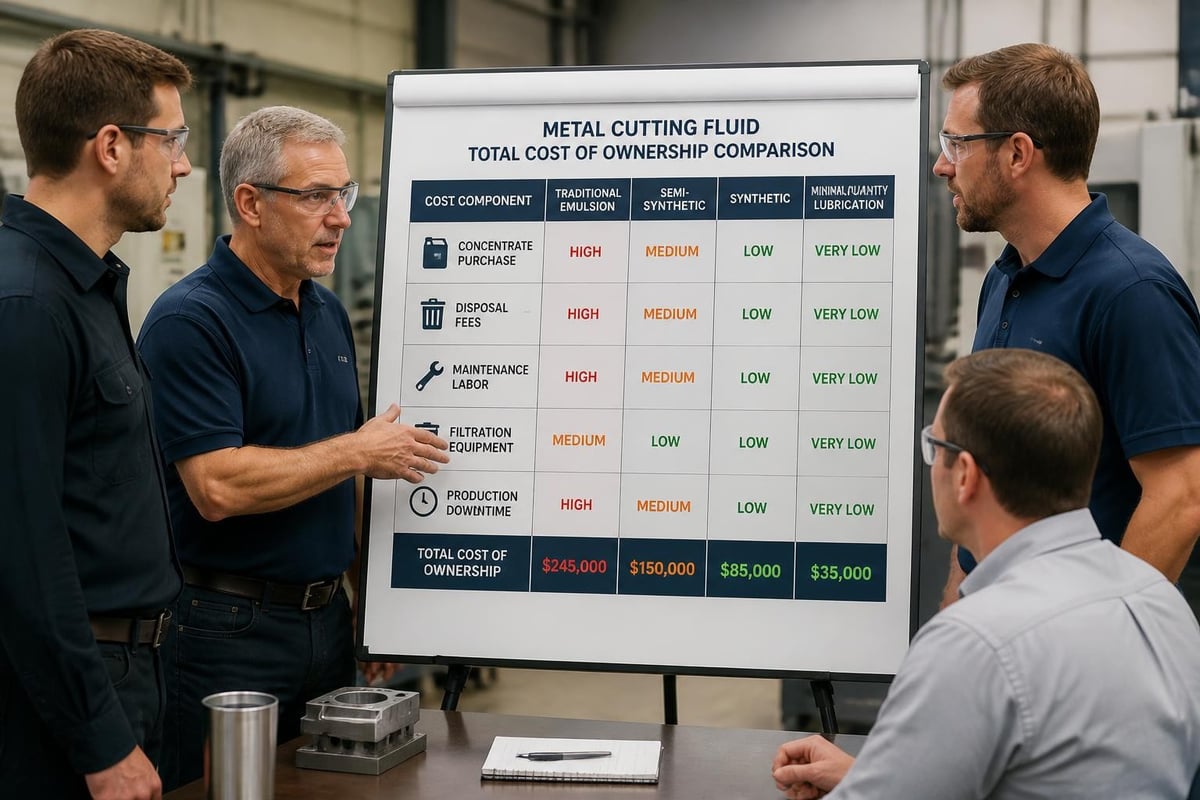
Total cost of ownership for metal cutting fluid systems extends far beyond initial purchase price. A comprehensive economic analysis includes concentrate costs, disposal fees, labor for maintenance, equipment for monitoring and filtration, plus downtime from changeovers. Well-managed systems often cost less than poorly maintained cheaper fluids.
Concentrate consumption depends on machining volume, but typical shops use 1-3 gallons of concentrate per machine tool monthly. Disposal costs vary regionally from $0.50 to $3.00 per gallon of used emulsion, making extended sump life financially attractive beyond environmental benefits.
Centralized coolant systems serving multiple machines reduce per-machine costs through economies of scale. A 1,000-gallon central system with professional filtration and treatment maintains higher fluid quality than individual sumps while requiring less total labor. However, centralized systems introduce cross-contamination risks when machining incompatible materials.
The tools and technology from companies like Guangzhou Rolitom enable manufacturers to optimize these complex systems through formulated Lubricant Additive Packages designed for specific industrial applications.
Implementing Sustainable Fluid Management Practices
Environmental regulations increasingly restrict metalworking fluid disposal, particularly concerning heavy metals, chlorinated compounds, and nitrite-containing formulations. Modern formulations eliminate these components while maintaining performance through advanced synthetic chemistry. Shops transitioning to compliant products often discover improved machining results alongside regulatory compliance.
Fluid recycling through ultrafiltration or vacuum distillation extends service life indefinitely for some applications. These systems remove contaminants while concentrating additives, though capital equipment costs limit adoption to high-volume operations. For smaller shops, working with fluid suppliers that collect and recycle used products provides similar environmental benefits.
Zero-discharge machining cells capture and treat all fluid, preventing environmental release. These closed-loop systems work well in regulated industries like aerospace and medical device manufacturing where documentation requirements justify the investment.
Water conservation drives adoption of neat cutting oils in operations that traditionally used soluble oils. Modern neat oils formulated with high-performance synthetic base stocks provide adequate cooling through thermal conductivity rather than evaporative cooling, eliminating water usage entirely.
Selecting and maintaining optimal metal cutting fluid requires balancing lubrication, cooling, corrosion protection, and cost considerations specific to your machining operations and materials. Success comes from understanding fluid chemistry, implementing disciplined monitoring protocols, and addressing problems before they impact production quality. With over 20 years of experience in industrial lubrication, Guangzhou Rolitom Lubricant Technology CO.,LTD provides specialized metalworking fluids and customized additive packages that solve real-world machining challenges while supporting your operational goals.
Contact: LilyLu
Phone: +86 138 2603 0637
E-mail: lilylu@rolitom.com
Whatsapp:+8613826030637
Add: Room 426, No.1218 Zhongshan Avenue Middle, Tianhe District, Guangzhou City,China
We chat