Metal cutting fluids serve as critical performance enablers in modern metalworking operations, directly impacting tool life, surface finish quality, and production efficiency. These specialized formulations cool cutting zones, lubricate tool-workpiece interfaces, flush away chips, and prevent corrosion on freshly machined surfaces. With global manufacturing demands escalating, selecting the appropriate cutting fluid has become a strategic decision that affects both operational costs and product quality outcomes.
Understanding Metal Cutting Fluid Categories
The metalworking industry recognizes four primary categories of metal cutting fluids, each engineered for specific machining applications and material combinations. Straight oils, also called neat cutting oils, contain no water and deliver maximum lubrication for heavy-duty operations like broaching, gear cutting, and threading. These fluids excel in low-speed, high-pressure cutting scenarios where extreme pressure additives prevent welding between tool and workpiece.
Water-based fluids dominate high-speed machining environments where heat generation poses the primary challenge. MetalWorking Fluids in this category subdivide into soluble oils, semi-synthetic fluids, and fully synthetic solutions. Soluble oils create milky emulsions when mixed with water, offering balanced cooling and lubrication at economical cost points. Semi-synthetic formulations combine small oil percentages with synthetic additives, delivering translucent to semi-transparent emulsions that provide superior cooling with moderate lubricity.
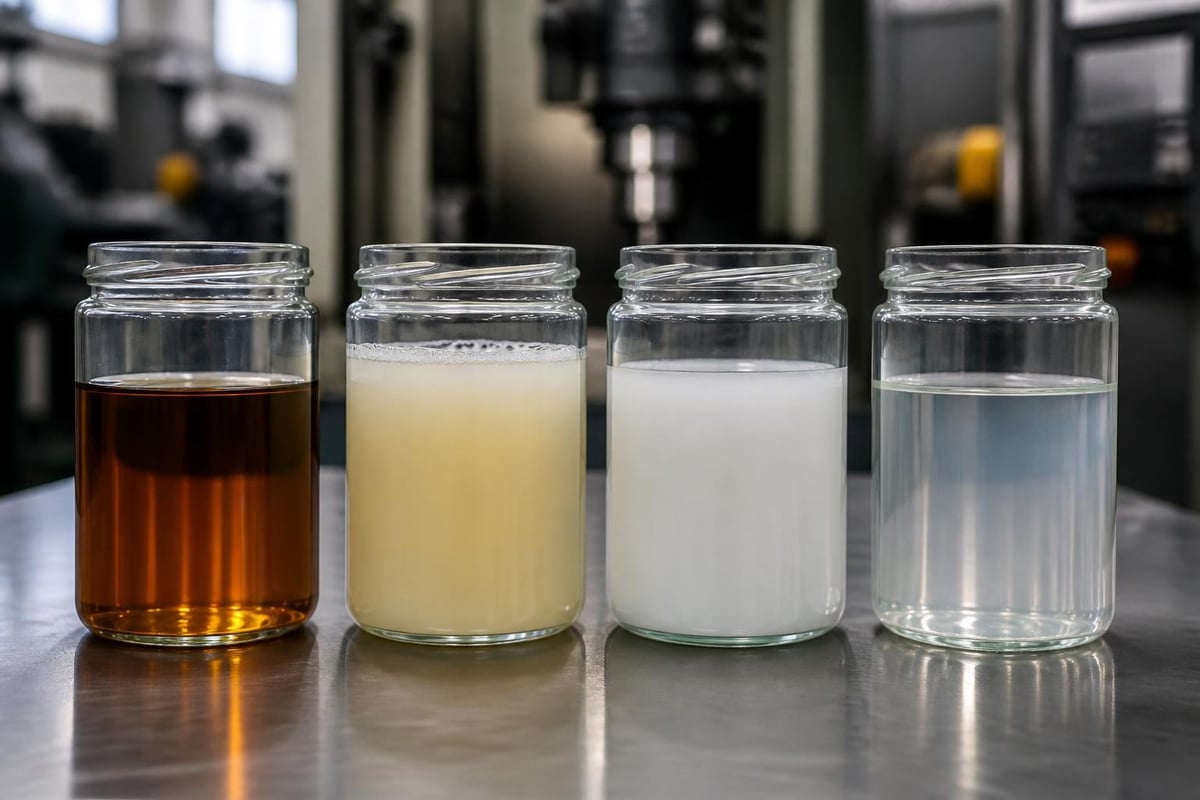
Fully synthetic cutting fluids contain zero petroleum oil, relying entirely on chemical lubricants, corrosion inhibitors, and surfactants dissolved in water. These transparent solutions offer exceptional cooling capacity, extended sump life, and superior cleanliness for precision grinding and high-speed CNC operations. The choice between categories depends on workpiece material, machining operation severity, machine tool specifications, and total cost of ownership considerations.
Performance Requirements Across Machining Operations
Different machining processes impose distinct performance demands on cutting fluids. Turning and milling operations require fluids that efficiently evacuate chips while maintaining stable temperature control across extended cutting passes. Drilling and tapping applications need superior lubricity to prevent built-up edge formation and galling in confined cutting zones where heat concentration intensifies.
Grinding operations demand metal cutting fluids with exceptional cooling capacity and fine filtration compatibility, as thermal damage to workpiece surfaces occurs rapidly without adequate heat removal. The Health and Safety Executive provides detailed guidance on managing health risks associated with different fluid types across various machining environments. Broaching and gear cutting require extreme pressure characteristics that prevent welding under the intense pressures generated during these precision operations.
Machining Operation | Primary Fluid Function | Recommended Fluid Type | Key Performance Metric |
High-speed milling | Cooling, chip evacuation | Semi-synthetic, Synthetic | Heat dissipation rate |
Thread cutting | Lubrication, surface finish | Soluble oil, Straight oil | EP performance |
Precision grinding | Cooling, cleanliness | Fully synthetic | Thermal stability |
Deep hole drilling | Lubrication, chip transport | Semi-synthetic | Extreme pressure rating |
Selection Criteria for Optimal Fluid Performance
Workpiece material composition fundamentally determines cutting fluid requirements. Ferrous metals including carbon steel, alloy steel, and stainless steel respond well to balanced formulations offering both cooling and lubrication properties. Cast iron machining generates abrasive dust requiring fluids with strong detergency to prevent sump contamination while providing adequate rust protection during inter-operation storage.
Non-ferrous metals present specialized challenges requiring careful fluid chemistry selection. Aluminum alloys demand chlorine-free, low-pH formulations to prevent staining and corrosion, while copper alloys require inhibitors that prevent dezincification and tarnishing. Titanium machining necessitates metal cutting fluids with superior extreme pressure properties and fire-resistant characteristics due to the metal's tendency to ignite under poor cutting conditions.
Machine tool compatibility influences fluid selection as older equipment may lack the seals and gaskets compatible with synthetic formulations. Modern CNC machining centers typically specify water-based fluids for centralized coolant systems, requiring stable emulsions that resist bacterial growth and maintain consistent concentration across multiple machines. Tool material also factors into selection decisions, as carbide inserts tolerate thermal shock better than high-speed steel tools, allowing more aggressive cooling strategies.
Environmental regulations and workplace safety standards increasingly shape cutting fluid decisions. OSHA's metalworking fluids guidance outlines exposure limits and best practices for minimizing health risks associated with fluid mists and skin contact. Formulators now prioritize biocide-free preservative systems, low-mist formulations, and readily biodegradable components that reduce environmental impact during disposal.
Chemical Composition and Additive Technology
Modern metal cutting fluids comprise complex additive packages engineered to deliver multiple performance benefits simultaneously. Lubricity additives including fatty acids, esters, and extreme pressure agents form protective films on tool and workpiece surfaces, reducing friction and preventing micro-welding. Emulsifiers stabilize oil-in-water dispersions, ensuring consistent performance across varying water hardness levels and temperature fluctuations.
Corrosion inhibitors protect both ferrous and non-ferrous metals during machining and short-term storage between operations. For operations requiring enhanced protection, many formulators incorporate metalworking fluid additive packages that boost extreme pressure anti-wear properties while maintaining emulsion stability and improving surface finish across diverse metal substrates.
Biocides control bacterial and fungal growth in water-based systems, extending fluid life and preventing malodors associated with microbial contamination. However, regulatory pressure drives development of biocide-minimized formulations relying on elevated pH levels, competitive exclusion strategies, and robust maintenance protocols. Defoamers prevent excessive foam formation that interferes with coolant delivery and visibility during machining operations.
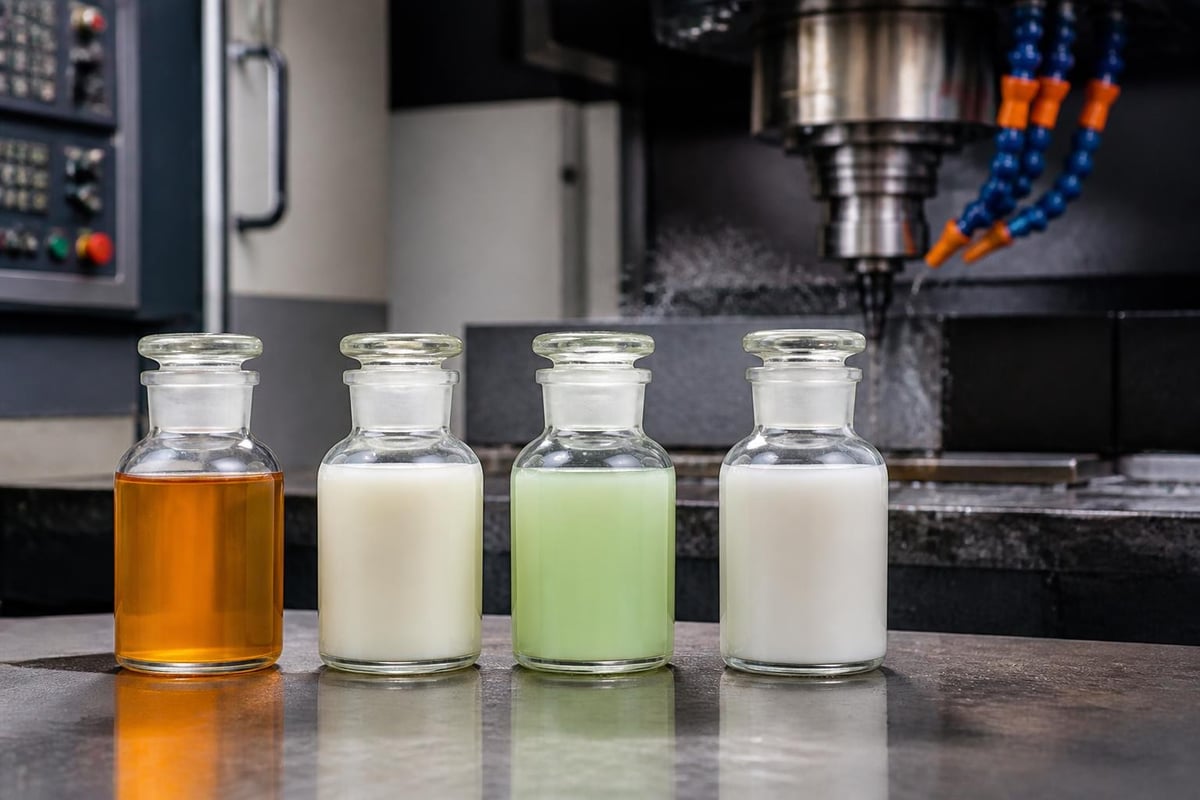
pH buffers maintain optimal alkalinity ranges that balance corrosion protection against skin irritation risks for machine operators. Coupling agents improve additive solubility and distribution throughout the fluid mixture, ensuring consistent performance from initial charge through multiple months of service. The synergistic interaction between these components determines overall fluid performance and longevity in demanding production environments.
Concentration Management and Dilution Protocols
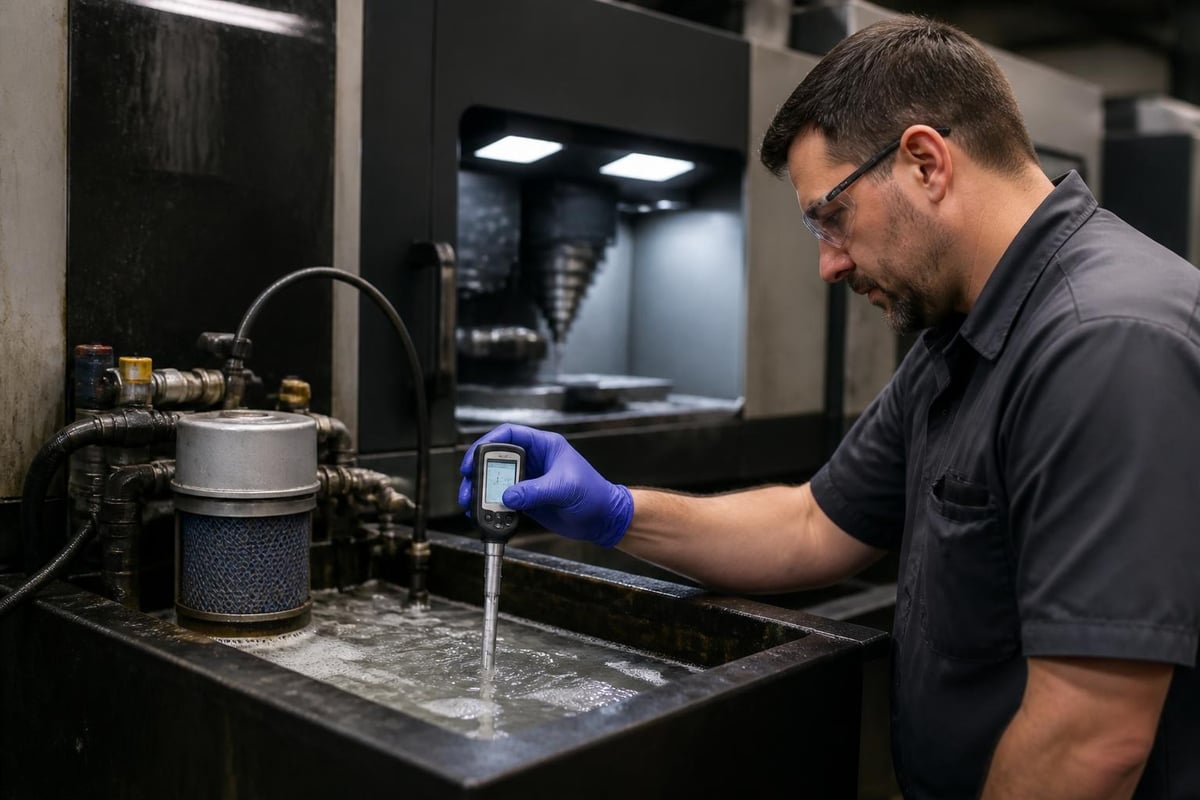
Water-based metal cutting fluids require precise concentration control to deliver specified performance characteristics. Manufacturers specify dilution ratios ranging from 3% to 10% concentrate for most applications, with precision grinding often utilizing lower concentrations for maximum cooling efficiency. Concentration measurement using refractometers provides quick quality checks, though the relationship between refractive index and actual concentration varies by fluid chemistry.
Hard water containing elevated calcium and magnesium levels challenges emulsion stability, potentially causing fluid splitting and reduced corrosion protection. Water softening systems or formulations specifically designed for hard water compatibility address this issue in regions where soft water access remains limited. Temperature also affects emulsion stability, with most water-based fluids performing optimally between 15°C and 35°C during operation.
Concentration drift occurs naturally through water evaporation, fluid drag-out on parts and chips, and inadvertent dilution from machine wash-down. Regular monitoring and adjustment maintain performance consistency while preventing overcorrection that wastes concentrate and creates disposal challenges. Automated concentration control systems increasingly appear in high-volume production facilities, reducing labor requirements and minimizing concentration-related quality issues.
Delivery Systems and Application Methods
Flood cooling remains the predominant delivery method for metal cutting fluids, providing high-volume coolant flow directly to the cutting zone. This approach effectively removes heat and chips while maintaining good visibility for operators. Flow rates typically range from 20 to 100 liters per minute depending on cutting operation severity and machine tool specifications. Proper nozzle positioning ensures fluid reaches the tool-workpiece interface rather than simply washing over surrounding areas.
Minimum quantity lubrication (MQL) systems deliver micro-quantities of neat cutting oil or specialized MQL fluids as fine mist, reducing fluid consumption by 90% compared to flood cooling. This near-dry machining approach suits specific applications including aluminum milling and drilling where chip evacuation concerns remain minimal. However, MQL requires compatible machine tool design and typically produces lower surface finish quality than flood cooling with properly formulated metal cutting fluids.
Through-tool coolant delivery directs pressurized fluid through channels machined into cutting tools, providing superior cooling and chip evacuation in deep hole drilling and high-pressure turning applications. Pressures ranging from 10 to 100 bar enable effective chip breaking and removal from confined cutting zones. This method demands clean, well-maintained fluids to prevent nozzle clogging and tool damage from particulate contamination.
Maintenance Programs for Extended Fluid Life
Systematic maintenance protocols dramatically extend cutting fluid service life while maintaining consistent performance. Daily concentration checks using calibrated refractometers detect drift that compromises cooling, lubrication, or corrosion protection. HSE guidance on metalworking fluid management provides practical recommendations for monitoring and maintaining fluid quality in industrial environments.
Weekly bacterial contamination testing using dip slides identifies microbial growth before population levels cause fluid degradation and odor problems. Bacterial counts exceeding 10^6 colony-forming units per milliliter indicate urgent need for biocide treatment or complete fluid replacement. Fungal contamination appears less frequently but causes similar performance degradation when populations establish in poorly maintained systems.
Maintenance Task | Frequency | Purpose | Acceptance Criteria |
Concentration check | Daily | Performance consistency | Within ±1% of target |
pH measurement | Weekly | Corrosion control | 8.5 - 9.5 typical range |
Bacterial testing | Weekly | Contamination control | <10^5 CFU/mL |
Tramp oil removal | Daily | Emulsion stability | Minimal visible oil layer |
Chip removal | Continuous | System cleanliness | Clean sump bottom |
Tramp oil from machine lubrication systems, hydraulic leaks, and slide ways accumulates in cutting fluid sumps, providing nutrients for bacterial growth and reducing emulsion stability. Skimmers, centrifuges, and coalescers remove tramp oil before concentrations reach problematic levels. Some facilities achieve tramp oil levels below 2%, maintaining excellent fluid condition and extended service intervals.
Filtration and Separation Technologies
Particle contamination from metal fines, grinding swarf, and environmental dust degrades cutting fluid performance and damages precision machine components. Filtration systems ranging from simple basket strainers to sophisticated magnetic separators and paper band filters remove particulates based on operation requirements and contamination levels. Grinding operations demand finer filtration (5-10 microns) compared to rough milling (50-100 microns) to prevent workpiece surface damage.
Magnetic separators excel at removing ferrous fines from fluids servicing steel and cast iron machining operations. These systems capture particles down to sub-micron sizes without consumable media costs, operating continuously with minimal maintenance requirements. However, non-ferrous machining requires alternative separation approaches including settling tanks, hydrocyclones, or centrifugal separators.
Centralized coolant systems serving multiple machine tools require robust filtration and separation infrastructure to maintain fluid quality across the entire production floor. These installations typically incorporate multi-stage filtration, automatic concentration control, and temperature regulation to optimize fluid performance and equipment reliability. Research on metalworking fluid exposure highlights the importance of proper fluid management in reducing workplace health risks.
 Health, Safety, and Environmental Considerations
Dermatitis represents the most common health issue associated with cutting fluid exposure, resulting from prolonged skin contact with contaminated or poorly maintained fluids. Prevention strategies include providing adequate hand washing facilities, supplying appropriate barrier creams, and maintaining fluid cleanliness to minimize irritant concentrations. Machine guarding that contains fluid spray reduces both dermal and respiratory exposure risks.
Respiratory exposure to fluid mists occurs during high-pressure machining operations, particularly with through-tool coolant delivery and grinding applications. Mist collection systems equipped with appropriate filtration remove airborne droplets before worker exposure occurs. Fluid formulation also influences mist generation rates, with low-mist additives reducing airborne concentrations without compromising machining performance.
Disposal regulations govern spent cutting fluid management, with most jurisdictions classifying contaminated fluids as industrial waste requiring proper treatment before discharge. EPA guidance on industrial waste management outlines treatment options and regulatory requirements for metalworking facilities. Oil-water separation, pH adjustment, and heavy metal removal often precede discharge to municipal sewage systems or contracted waste haulers.
Cost Analysis and Total Ownership Considerations
Cutting fluid costs extend beyond initial purchase price to encompass dilution water, disposal fees, maintenance labor, filtration media, and potential productivity impacts from inadequate performance. Premium synthetic formulations commanding higher concentrate prices often deliver superior total cost of ownership through extended sump life, reduced maintenance requirements, and improved machining outcomes that decrease tool consumption and scrap rates.
Concentrate consumption rates depend on machining volume, fluid drag-out on parts and chips, and evaporation losses from sump surfaces. Facilities processing 10,000 kilograms of metal monthly typically consume 200-500 liters of concentrate depending on fluid type and concentration management effectiveness. Improved chip handling that recovers fluid before disposal significantly reduces replacement costs in high-volume operations.
Tool life improvements directly offset cutting fluid costs, as premium formulations reducing tool wear by 20-30% generate substantial savings in high-value cutting tool inventories. Surface finish enhancements eliminating secondary operations provide additional value through reduced processing time and improved dimensional accuracy. These productivity benefits often justify premium fluid selection in precision manufacturing environments where quality requirements remain paramount.
Troubleshooting Common Fluid Performance Issues
Emulsion instability manifesting as fluid splitting or oil separation typically results from contamination, concentration deviation, or water hardness incompatibility. Immediate concentration adjustment and tramp oil removal often restore stability without requiring complete fluid replacement. Persistent instability issues may indicate fluid degradation requiring fresh charge or incompatible machine lubricant contamination necessitating identification and elimination of the contamination source.
Excessive foam generation interferes with coolant delivery, machine visibility, and fluid level sensing while promoting oxidation and concentration drift. Causes include incorrect concentration, excessive agitation from pump return lines, and surfactant contamination from cleaners or machine lubricants. Defoamer addition provides temporary relief, but addressing root causes prevents recurrence and maintains long-term fluid stability.
Corrosion problems on freshly machined parts indicate inadequate inhibitor levels, low pH, bacterial contamination, or incompatible fluid chemistry for specific metal alloys. Concentration adjustment and pH correction resolve most corrosion issues, while persistent problems may require fluid type changes or supplemental Rust Preventive Additive Packages that enhance protection during inter-operation storage periods.
Malodors signal bacterial contamination requiring immediate intervention through biocide treatment or fluid replacement depending on contamination severity. Prevention through proper fluid maintenance, adequate concentration levels, and regular sump cleaning eliminates most odor problems. Some bacterial species produce biofilms that protect microbial populations from biocide treatment, necessitating mechanical cleaning and fluid replacement in severely contaminated systems.
Emerging Technologies and Future Developments
Vegetable-based cutting fluids derived from renewable resources offer improved biodegradability and reduced environmental persistence compared to traditional petroleum formulations. Ester chemistry provides excellent lubricity and oxidative stability when properly formulated, though higher costs currently limit adoption to specialized applications where environmental benefits justify premium pricing. Ongoing development focuses on improving emulsion stability and extending service life to competitive levels with conventional products.
Nanotechnology applications in metal cutting fluids investigate performance enhancements from suspended nanoparticles that reduce friction and improve heat transfer. Laboratory studies demonstrate promising results, though industrial implementation faces challenges including particle agglomeration, filtration compatibility, and uncertain long-term health effects requiring thorough safety evaluation before widespread commercial adoption.
Smart fluid monitoring systems incorporating continuous sensors for concentration, pH, conductivity, and bacterial contamination enable predictive maintenance strategies that optimize fluid life and performance consistency. These automated systems reduce labor requirements while preventing quality issues from delayed problem detection. Integration with machine tool monitoring creates comprehensive process control enabling real-time optimization of cutting parameters and fluid delivery for maximum productivity.
Biocide-free preservation systems relying on elevated pH, competitive exclusion bacterial strains, and robust mechanical maintenance protocols address growing regulatory restrictions on traditional biocide chemistries. These approaches require more intensive management but eliminate biocide disposal concerns and reduce sensitization risks for workers with chemical sensitivities.
Strategic selection and maintenance of metal cutting fluids significantly impacts machining productivity, tool costs, and product quality in modern manufacturing operations. Understanding the relationship between fluid chemistry, machining requirements, and maintenance protocols enables informed decisions that optimize total cost of ownership while meeting environmental and safety obligations. With over 20 years of experience in industrial lubrication technology, Guangzhou Rolitom Lubricant Technology CO.,LTD provides comprehensive metalworking fluid solutions, rust preventive products, and customized additive packages designed to meet the demanding requirements of precision manufacturing environments worldwide.
Contact: LilyLu
Phone: +86 138 2603 0637
E-mail: lilylu@rolitom.com
Whatsapp:+8613826030637
Add: Room 426, No.1218 Zhongshan Avenue Middle, Tianhe District, Guangzhou City,China
We chat