Industrial lube products form the backbone of modern manufacturing operations, protecting equipment, extending tool life, and ensuring consistent product quality across metalworking, rust prevention, and die casting applications. As manufacturing processes become increasingly sophisticated and environmental regulations tighten, selecting the right industrial lube requires understanding formulation chemistry, performance specifications, and application-specific requirements. This guide explores the critical factors that influence industrial lube selection, formulation strategies for custom solutions, and best practices for optimizing lubrication performance in demanding production environments.
Understanding Industrial Lube Categories and Applications
The industrial lubricants landscape has evolved significantly from simple mineral oils to sophisticated formulations tailored for specific manufacturing processes. Modern industrial lube products encompass MetalWorking Fluids, rust preventive oils, and specialized additive packages that address increasingly complex operational challenges.
Metalworking Fluid Systems
Metalworking operations demand industrial lube solutions that balance cooling efficiency, lubrication performance, and tool protection. The three primary categories include:
Fully synthetic formulations offering superior cooling and cleanliness
Semi-synthetic blends providing balanced lubricity and cooling
Soluble oils delivering robust extreme pressure protection
Each category serves distinct machining requirements based on material type, cutting speed, and surface finish specifications. Fully synthetic fluids excel in high-speed grinding operations where heat dissipation is critical, while semi-synthetic options provide cost-effective solutions for general machining applications involving ferrous metals.
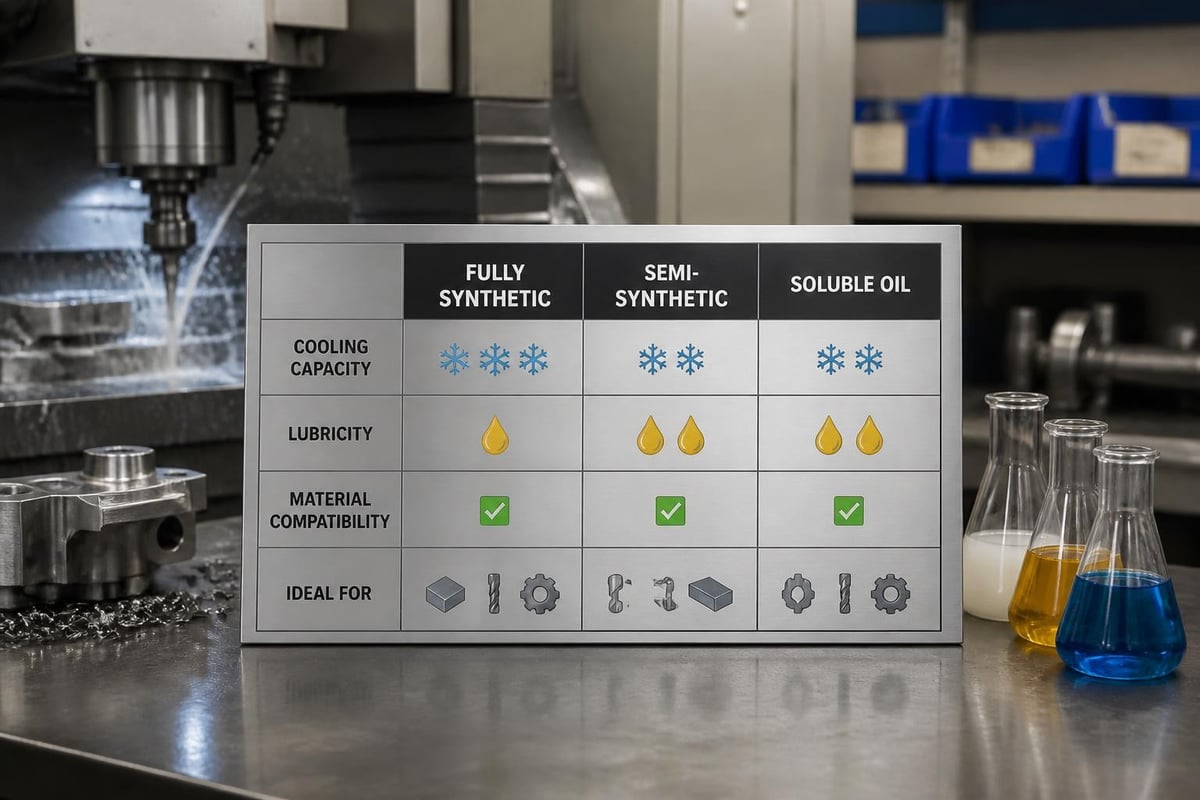
The transition from traditional cutting oils to water-based metalworking fluids represents a significant shift in industrial lube technology. Water-based systems reduce fire hazards, improve worker safety, and support environmental compliance objectives. However, they introduce challenges related to corrosion protection, bacterial growth, and emulsion stability that require careful formulation design and ongoing fluid maintenance.
Rust Prevention Systems
Industrial lube products designed for corrosion protection serve critical roles in manufacturing workflows, protecting finished parts during storage, transit, and inter-process handling. Rust Preventive Additive Packages enable formulators to develop customized solutions matching specific protection duration and environmental exposure requirements.
Protection Type | Duration | Application Method | Film Characteristics |
Thin film preventives | 3-6 months indoor | Spray, dip | Invisible, easily removable |
Medium film preventives | 6-12 months indoor | Dip, flow coat | Slight visible film |
Heavy film preventives | 12+ months indoor/outdoor | Flow coat, brush | Thick protective coating |
The selection between water-displacing and non-water-displacing industrial lube formulations depends on whether parts have residual moisture from machining operations or washing processes. Water-displacing preventives actively remove moisture from metal surfaces, providing superior protection in humid environments or when parts transition directly from cutting fluid exposure to storage.
Formulation Chemistry and Additive Technology
Industrial lube performance depends fundamentally on base oil selection and additive package design. Modern formulations leverage sophisticated additive chemistry to achieve multiple performance objectives simultaneously, including extreme pressure protection, corrosion inhibition, foam control, and emulsion stability.
Base Oil Selection Strategies
The foundation of any industrial lube begins with base oil choice, which influences viscosity characteristics, thermal stability, and additive solubility. Mineral oils remain dominant in industrial applications due to cost-effectiveness and proven performance, though synthetic options gain traction in extreme temperature or specialized applications.
Paraffinic mineral oils offer excellent oxidation stability and low-temperature flow properties, making them ideal for general-purpose industrial lube formulations. Naphthenic base stocks provide superior solubility for additives and maintain fluidity at low temperatures, though they exhibit lower viscosity indices compared to paraffinic alternatives.
The ASTM classification system provides standardized viscosity grading for industrial fluid lubricants, enabling consistent product specification and selection across different manufacturers and applications.
Advanced Additive Packages
Modern industrial lube formulations incorporate multiple additive types working synergistically to deliver comprehensive performance. Key additive categories include:
Extreme Pressure (EP) and Anti-Wear (AW) Additives: These compounds form protective films on metal surfaces under high-contact pressure conditions, preventing metal-to-metal contact and reducing wear. Sulfur-phosphorus chemistries remain prevalent in metalworking applications, though environmental concerns drive development of chlorine-free and heavy metal-free alternatives.
Corrosion Inhibitors: Essential for both metalworking fluids and rust preventive oils, these additives protect ferrous and non-ferrous metals from oxidation and galvanic corrosion. Calcium and barium salt-based systems provide excellent film-forming characteristics, while water-soluble inhibitors enable rust protection in dilutable coolant formulations.
Emulsifiers and Coupling Agents: Critical for water-based industrial lube products, these additives stabilize oil-water mixtures and prevent phase separation during dilution and use. Proper emulsifier selection ensures consistent fluid appearance, extended sump life, and predictable performance across varying water hardness conditions.
Manufacturers developing customized industrial lube solutions benefit from ready-to-blend metalworking fluid additive packages that simplify formulation while ensuring balanced performance across multiple parameters.
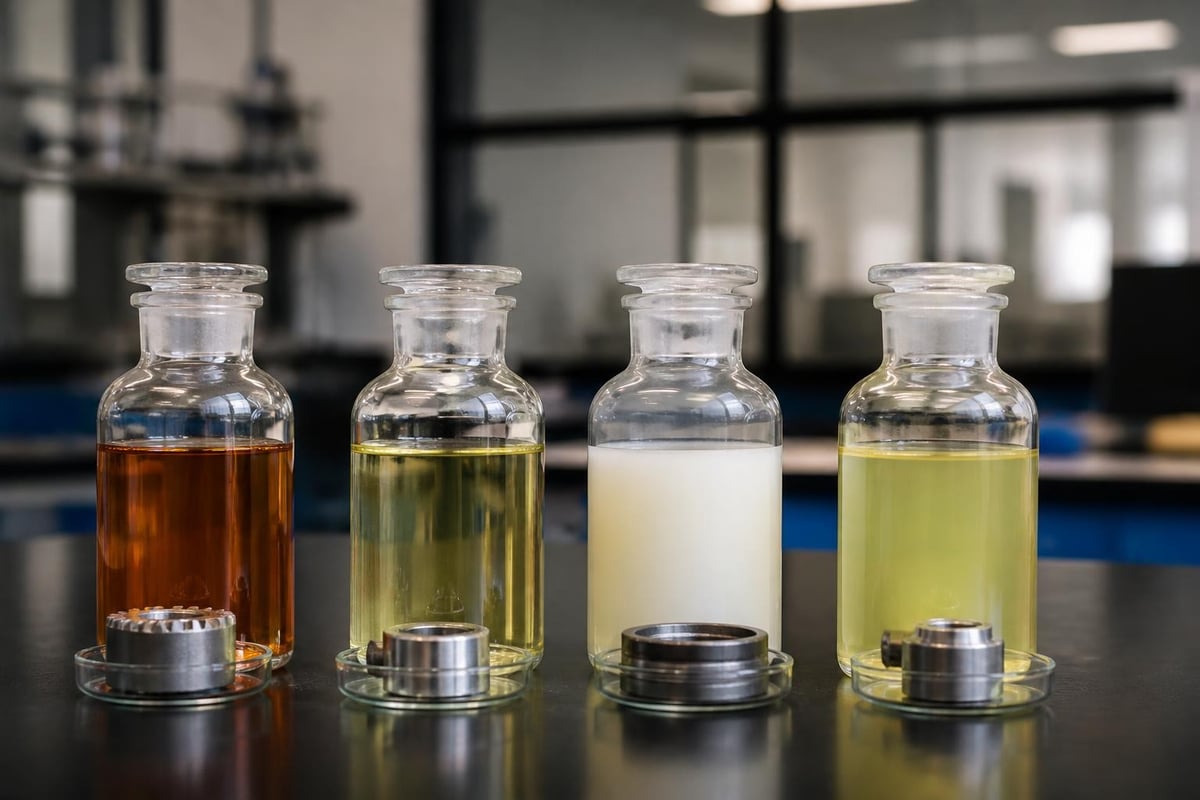 Application-Specific Industrial Lube Selection
Matching industrial lube characteristics to specific manufacturing processes requires understanding operational parameters, material compatibility requirements, and performance expectations. Different metalworking operations impose distinct demands on lubrication systems.
Cutting and Turning Operations
Heavy cutting operations on ferrous metals demand industrial lube formulations with robust extreme pressure protection and excellent chip flushing characteristics. Semi-synthetic fluids typically provide optimal balance between lubricity and cooling capacity for these applications.
The cutting speed, depth of cut, and material hardness directly influence industrial lube selection. High-speed machining generates significant heat, requiring fluids with superior cooling capacity, while slow-speed, heavy-duty cutting prioritizes boundary lubrication performance over heat dissipation.
Grinding Applications
Grinding processes present unique challenges for industrial lube products due to high thermal loads concentrated in small contact areas. Fully synthetic fluids dominate precision grinding operations because their excellent cooling properties prevent thermal damage to workpieces while maintaining dimensional accuracy.
Grinding swarf management represents a critical consideration in industrial lube selection. Fine metallic particles must remain suspended in the fluid for effective filtration, requiring proper viscosity characteristics and particle dispersancy. Excessive foaming during high-speed grinding operations necessitates careful defoamer selection and dosage optimization.
Die Casting Release Applications
Die casting operations require specialized industrial lube products that withstand extreme temperatures while providing effective mold release and thermal management. Aluminum, zinc, and magnesium casting processes each impose distinct requirements on release agent formulations.
Water-based release agents offer superior cooling capacity and environmental compliance compared to solvent-based alternatives, though they require careful formulation to prevent excessive buildup on die surfaces. The dilution ratio significantly impacts both release performance and die temperature control, requiring optimization based on casting geometry and cycle time.
Quality Control and Performance Monitoring
Maintaining consistent industrial lube performance requires systematic monitoring and quality control procedures throughout the fluid lifecycle. Both initial product specifications and in-service condition monitoring contribute to optimal operational results.
Critical Performance Specifications
Industrial lube products must meet defined specifications ensuring suitability for intended applications. Key performance parameters include:
Parameter | Test Method | Significance |
Viscosity | ASTM D445 | Flow characteristics and film strength |
pH Value | ASTM E70 | Corrosion protection and stability |
Concentration | Refractometer | Proper dilution and performance |
Rust Protection | ASTM D665 | Corrosion prevention effectiveness |
Foam Tendency | ASTM D892 | Operational stability |
Regular testing against these specifications enables early detection of fluid degradation, contamination, or improper dilution. Establishing baseline performance values during initial fluid charging provides reference points for ongoing condition monitoring.
 In-Service Fluid Management
Active fluid management extends industrial lube service life and maintains consistent manufacturing quality. Critical management practices include:
Concentration monitoring and adjustment to maintain proper dilution ratios
pH control through periodic addition of alkalinity boosters
Contamination removal via filtration, centrifugation, or coalescence
Microbial control using biocides when bacterial or fungal growth occurs
Tramp oil removal to prevent rancidity and skin irritation
The economic impact of effective fluid management extends beyond lubricant costs to encompass tool life, part quality, and waste disposal expenses. Well-maintained industrial lube systems deliver substantially longer service intervals compared to neglected sumps, reducing both direct material costs and operational disruptions associated with complete fluid changes.
Formulation Customization and Development
Many manufacturing operations benefit from customized industrial lube formulations tailored to specific process requirements, material combinations, or operational constraints. Working with experienced formulators enables development of optimized solutions addressing unique application challenges.
Custom Formulation Approaches
Developing specialized industrial lube products typically begins with defining performance objectives and operational parameters. Critical considerations include:
Material Compatibility: The range of metals processed influences corrosion inhibitor selection and staining prevention requirements. Multi-metal operations involving aluminum, copper alloys, and ferrous materials demand carefully balanced inhibitor systems preventing galvanic corrosion while avoiding metal staining.
Process Requirements: Machining parameters such as cutting speeds, feed rates, and depths of cut determine necessary extreme pressure characteristics and cooling capacity. Heavy roughing operations require different industrial lube properties compared to precision finishing processes.
Environmental Constraints: Waste treatment capabilities, indoor air quality requirements, and worker exposure limits influence base oil selection and additive chemistry choices. Formulators must balance performance objectives with environmental compliance and workplace safety requirements.
For manufacturers seeking to develop proprietary industrial lube formulations, Lubricant Additive Packages provide proven chemistry platforms that simplify formulation while reducing development time and risk.
The Semi-Finished Compound Lubricant FS101 exemplifies this approach, offering metalworking fluid manufacturers a concentrated additive package requiring only dilution with water to produce ready-to-use cutting fluids. This streamlined approach eliminates complex blending operations while ensuring consistent quality and reducing raw material inventory requirements.
Performance Optimization Through Testing
Rigorous testing validates custom industrial lube formulations before full-scale implementation. Laboratory evaluations assess fundamental properties like rust protection, emulsion stability, and foam characteristics, while pilot trials in actual production environments verify performance under real operating conditions.
Testing Phase | Evaluation Method | Success Criteria |
Laboratory screening | Standardized ASTM tests | Meet minimum specifications |
Bench machining trials | Small-scale cutting tests | Tool life, surface finish |
Pilot production runs | Limited production volume | Process stability, part quality |
Full implementation | Regular production monitoring | Cost-effective performance |
This staged approach minimizes risk while enabling refinement of industrial lube formulations based on empirical performance data. Iterative optimization addresses unexpected interactions between fluid properties and specific machine tool characteristics, coolant delivery systems, or workpiece materials.
Environmental and Safety Considerations
Modern industrial lube selection increasingly incorporates environmental sustainability and worker safety criteria alongside traditional performance metrics. Regulatory requirements, corporate sustainability commitments, and worker health concerns drive evolution toward safer, more environmentally responsible formulations.
Regulatory Compliance Requirements
Industrial lube products must comply with various regulations governing chemical composition, disposal requirements, and worker exposure limits. The Independent Lubricant Manufacturers Association promotes integrity and quality in lubricant manufacturing while supporting member companies in navigating evolving regulatory landscapes.
Key regulatory considerations include:
Heavy metal restrictions eliminating lead, cadmium, and other toxic elements
Biocide registration ensuring antimicrobial agents meet environmental and safety standards
VOC limitations controlling volatile organic compound emissions
Disposal requirements governing used fluid treatment and disposal methods
Proactive compliance with emerging regulations protects manufacturers from future reformulation costs and operational disruptions. Selecting industrial lube products formulated without restricted substances provides long-term supply security as regulations continue evolving.
Worker Health and Safety
Industrial lube formulations directly impact worker exposure to potentially irritating or hazardous substances. Modern fluid development prioritizes dermatological compatibility, reduced misting tendencies, and elimination of sensitizing components.
Biocide-free preservation systems represent an emerging trend in industrial lube technology, utilizing pH control and other mechanisms to suppress microbial growth without traditional antimicrobial additives. While not suitable for all applications, these systems reduce worker exposure concerns and simplify waste disposal.
Proper industrial lube handling procedures, including personal protective equipment use and skin protection programs, complement formulation safety features. Even well-formulated fluids require appropriate handling practices preventing prolonged or repeated skin contact that could lead to irritation or sensitization.
Emerging Technologies and Future Trends
Industrial lube technology continues evolving in response to manufacturing advances, environmental pressures, and performance demands. Several emerging trends shape future product development and application strategies.
Nano-Technology Integration
Nano-lubricants incorporating nanoparticles show promise for enhanced boundary lubrication performance, particularly under heavy load and low-speed conditions prevalent in certain metalworking operations. These advanced industrial lube formulations utilize nanoparticles of materials like molybdenum disulfide or graphene to provide supplemental lubrication mechanisms.
While still emerging in mainstream industrial applications, nano-enhanced formulations demonstrate potential for extreme pressure operations where conventional additives approach performance limitations. Continued research addresses stability challenges and cost-effectiveness barriers limiting widespread adoption.
Bio-Based and Renewable Formulations
Growing emphasis on sustainability drives interest in bio-based industrial lube products utilizing renewable base stocks and biodegradable additives. Vegetable oil-derived base stocks offer excellent lubricity and biodegradability, though oxidative stability limitations require careful additive selection and application matching.
The economics of bio-based industrial lube products continue improving as renewable feedstock availability increases and production processes mature. Applications prioritizing environmental compatibility, such as operations near sensitive waterways or in environmentally protected areas, increasingly specify bio-based formulations despite potential cost premiums.
Predictive Maintenance Integration
Advanced condition monitoring technologies enable predictive approaches to industrial lube management, optimizing change intervals based on actual fluid condition rather than fixed schedules. Sensors monitoring key parameters like viscosity, particle contamination, and chemical composition provide real-time insights into fluid health and remaining service life.
Integration with manufacturing execution systems enables automatic fluid dosing, concentration adjustment, and condition tracking without manual intervention. These smart lubrication systems reduce labor requirements while ensuring consistent fluid performance and eliminating premature fluid changes.
Selection Criteria for Different Industries
Different manufacturing sectors impose unique requirements on industrial lube products based on predominant processes, materials, and quality standards. Understanding industry-specific priorities enables optimal product selection and application strategies.
Automotive Component Manufacturing
Automotive machining operations demand industrial lube products delivering consistent performance across high-volume production runs while meeting stringent cleanliness and residue requirements. Parts must transition smoothly through multiple machining operations, washing stages, and assembly processes without contamination or corrosion.
Ferrous machining operations on engine blocks, transmission housings, and suspension components require robust corrosion protection preventing rust formation between processing steps. Semi-synthetic fluids typically provide optimal balance of cooling, lubrication, and corrosion protection for these applications.
Aluminum machining for engine components, wheels, and structural parts demands specialized industrial lube formulations preventing aluminum staining while providing adequate lubrication for high-speed operations. Fully synthetic fluids with properly balanced corrosion inhibitor systems excel in these applications.
Mold and Die Manufacturing
Precision mold making and die manufacturing impose extreme demands on industrial lube technology due to hardened tool steel machining requirements and critical dimensional tolerances. These operations require industrial lube products providing exceptional tool life extension through superior extreme pressure and anti-wear protection.
Surface finish requirements for mold cavities demand fluids producing minimal residues and supporting fine filtration systems removing submicron particles. The economics of mold manufacturing, where tool costs represent significant proportions of total machining expenses, justify premium industrial lube products delivering measurable tool life improvements.
General Metal Fabrication
Job shops and general fabricators processing diverse materials benefit from versatile industrial lube formulations performing adequately across broad application ranges. While not optimized for any specific operation, these general-purpose products reduce inventory complexity and simplify fluid management in multi-process environments.
The metalworking fluids portfolio addresses requirements ranging from heavy-duty machining to precision grinding, enabling manufacturers to select appropriate products matching their specific process mix and performance requirements.
Selecting and managing industrial lube products effectively requires understanding formulation chemistry, application requirements, and operational best practices that balance performance, cost, and environmental responsibility. The evolution from commodity lubricants to application-engineered solutions continues accelerating as manufacturing processes become more sophisticated and performance demands increase. For manufacturers seeking customized industrial lube solutions or technical support optimizing existing lubrication systems, Guangzhou Rolitom Lubricant Technology CO.,LTD offers over 20 years of formulation expertise and comprehensive product portfolios spanning metalworking fluids, rust preventive oils, and specialized additive packages tailored to demanding production environments.
Contact: LilyLu
Phone: +86 138 2603 0637
E-mail: lilylu@rolitom.com
Whatsapp:+8613826030637
Add: Room 426, No.1218 Zhongshan Avenue Middle, Tianhe District, Guangzhou City,China
We chat