Metal corrosion remains one of the most costly challenges in manufacturing operations, with global industries losing billions annually to rust-related damage. Traditional solvent-based rust preventatives have dominated metal protection for decades, but environmental regulations and workplace safety concerns are driving a fundamental shift. A water based rust inhibitor offers manufacturers an effective, eco-friendly alternative that delivers reliable corrosion protection while meeting increasingly stringent environmental standards. These innovative formulations protect ferrous metals during machining, inter-process storage, and transit without the hazardous vapor emissions or disposal complications associated with oil-based systems.
Understanding Water Based Rust Inhibitor Chemistry
A water based rust inhibitor functions through specialized chemical compounds that form protective barriers on metal surfaces. Unlike traditional oil films, these formulations rely on water-soluble corrosion inhibitors that create molecular bonds with ferrous metals. The chemistry typically involves filming amines, phosphate esters, organic acid salts, and specialized surfactants that work synergistically to prevent oxidation.
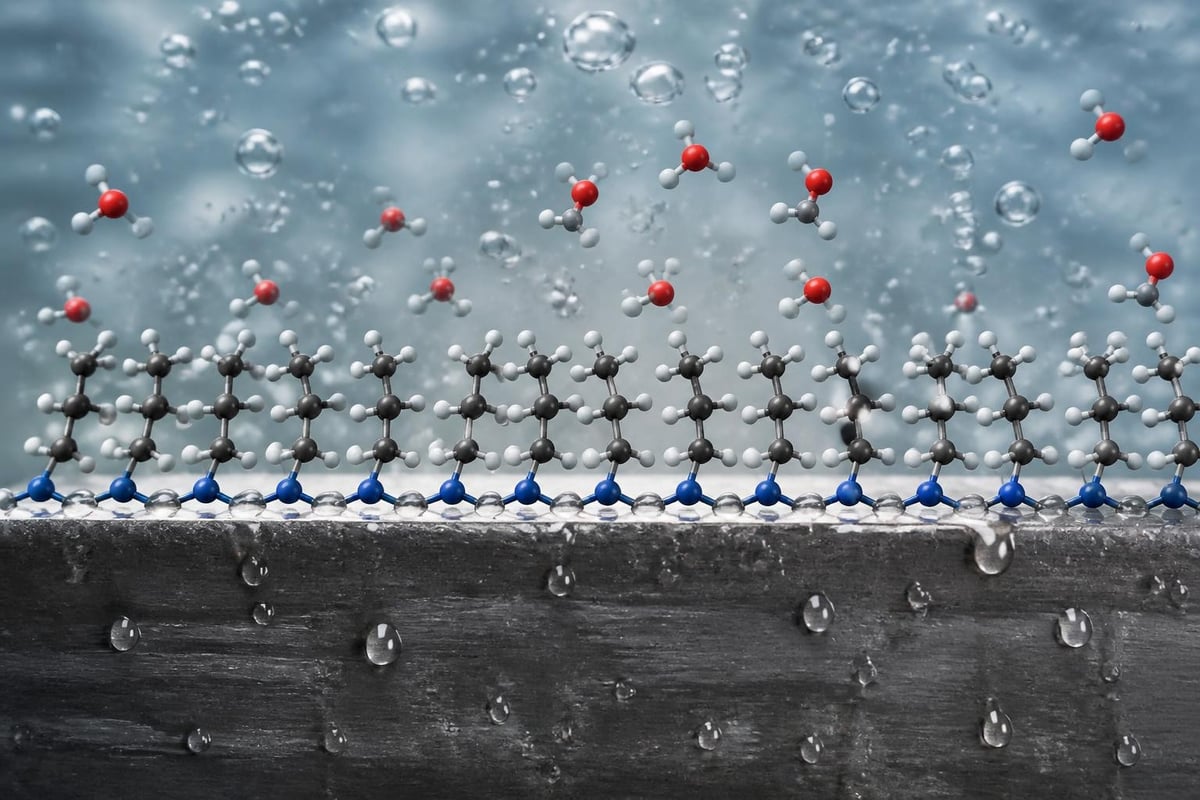
The protective mechanism begins when the diluted solution contacts clean metal surfaces. Corrosion inhibitor molecules orient themselves with hydrophobic groups facing outward and metal-attracting groups anchoring to the surface. This creates an invisible hydrophobic barrier that repels moisture and atmospheric oxygen-the two essential elements required for rust formation.
Core Active Ingredients
Modern water based rust inhibitor formulations incorporate multiple functional components. Primary corrosion inhibitors include sodium nitrite, sodium benzoate, and organic amine compounds that provide the foundation of protection. Secondary inhibitors such as triazoles and benzotriazoles target specific metal types, particularly important in mixed-metal machining environments.
Surfactant packages ensure proper wetting and film formation across complex geometries. These compounds reduce surface tension, allowing the inhibitor to penetrate tight spaces, threads, and recessed areas where moisture typically accumulates. Without adequate surfactant selection, protection becomes inconsistent and vulnerable spots develop.
pH buffers maintain optimal alkalinity levels between 8.5 and 10.5, creating an environment that passivates metal surfaces. This controlled pH range prevents both acidic corrosion and excessive alkalinity that could damage certain non-ferrous metals in multi-material assemblies.
 Application Methods Across Manufacturing Operations
Implementing a water based rust inhibitor requires understanding various application techniques suited to different manufacturing environments. The versatility of these formulations allows integration into existing processes with minimal equipment modification.
Dip immersion remains the most common application method for small to medium parts. Components are fully submerged in diluted inhibitor solution for 30 seconds to two minutes, ensuring complete coverage including internal passages and complex geometries. After removal, parts drain briefly before air drying, leaving a thin protective film.
Spray application works effectively for larger assemblies and production lines where immersion proves impractical. Automated spray systems apply fine mists of inhibitor solution, providing uniform coverage while minimizing solution consumption. This method integrates seamlessly into conveyor systems and robotic work cells.
Manufacturers utilizing MetalWorking Fluids often incorporate rust inhibitor directly into cutting fluid formulations for in-process protection. This dual-purpose approach protects freshly machined surfaces immediately, eliminating the need for separate post-machining treatment steps.
Concentration and Dilution Guidelines
Water based rust inhibitor products arrive as concentrates requiring dilution before use. Typical dilution ratios range from 2% to 10% depending on protection duration requirements and environmental conditions. Short-term indoor protection (30-90 days) generally requires 2-3% concentration, while extended storage or humid conditions demand 5-10% solutions.
Water quality significantly impacts inhibitor performance. Hard water containing high calcium and magnesium levels can interfere with film formation and reduce protection effectiveness. Deionized or softened water produces optimal results, though many modern formulations include chelating agents that tolerate moderate water hardness.
Protection Duration | Recommended Concentration | Typical Application |
30-60 days indoor | 2-3% | Inter-process storage |
60-120 days indoor | 4-6% | Warehouse inventory |
120-180 days indoor | 6-8% | Extended indoor storage |
Outdoor exposure | 8-10% | Temporary outdoor storage |
Regular concentration monitoring using refractometers ensures consistent protection levels. Concentration naturally decreases through dragout and evaporation, requiring periodic adjustment to maintain effectiveness.
Performance Characteristics and Testing Standards
Evaluating water based rust inhibitor performance requires standardized testing protocols that simulate real-world conditions. Salt spray testing (ASTM B117) remains the industry benchmark, exposing treated metal panels to continuous salt fog while monitoring rust formation over time. Quality formulations demonstrate 24-72 hours protection in this accelerated corrosion environment.
Humidity cabinet testing (ASTM D1748) provides another critical performance indicator. Test panels undergo cyclic exposure to 100% relative humidity at elevated temperatures, simulating tropical storage conditions. Premium water based rust inhibitors maintain protection for 7-14 days under these demanding conditions.
The Water Soluble Corrosion Inhibitor P200 exemplifies advanced formulation technology designed specifically for ferrous metals including cast iron and carbon steel. This high-efficiency solution mixes with water at any ratio while maintaining low residue characteristics and easy cleaning properties, making it ideal for synthetic coolants and water-based cleaning systems where conventional rust preventatives prove incompatible.
Compatibility Considerations
Material compatibility extends beyond ferrous metals. Many manufacturing operations process mixed materials including aluminum, brass, and copper alloys alongside steel components. A water based rust inhibitor must protect steel without staining or corroding non-ferrous metals, requiring careful formulation balance.
Paint adhesion represents another critical compatibility factor. Parts destined for powder coating or wet painting require inhibitors that leave minimal residue and don't interfere with coating adhesion. Water-based formulations generally outperform oil-based preventatives in this application, often requiring only simple water rinsing before painting.
Elastomer compatibility matters in assemblies containing rubber seals, gaskets, or O-rings. Certain inhibitor chemistries can cause swelling, hardening, or degradation of elastomeric materials. Compatibility testing with specific seal materials prevents costly assembly failures.
 Environmental and Safety Advantages
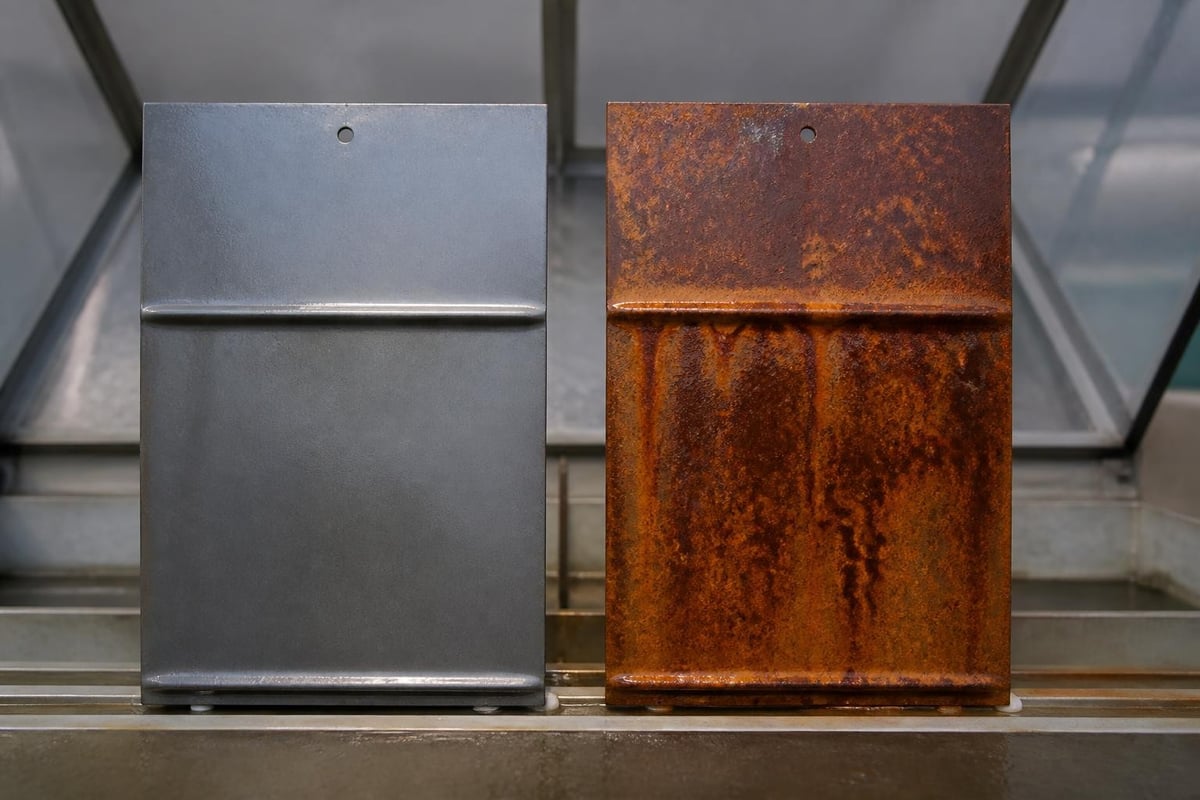
The shift toward water based rust inhibitor technology reflects growing environmental awareness and regulatory pressure. Traditional petroleum-based rust preventatives contain volatile organic compounds (VOCs) that contribute to air pollution and create workplace health hazards. Water-based alternatives eliminate or dramatically reduce VOC emissions, improving air quality in manufacturing facilities.
Waste disposal becomes significantly simpler with water-based systems. Spent inhibitor solutions typically qualify as non-hazardous waste, reducing disposal costs and regulatory compliance burdens. Many formulations prove biodegradable, breaking down naturally in wastewater treatment systems without bioaccumulation concerns.
Worker safety improvements accompany environmental benefits. Water based rust inhibitor formulations eliminate fire hazards associated with flammable solvents, reducing insurance costs and safety equipment requirements. Reduced dermal irritation and respiratory concerns create healthier working conditions, decreasing workers' compensation claims and absenteeism.
Regulatory Compliance Benefits
Global regulations increasingly restrict hazardous substances in industrial operations. The European Union's REACH (Registration, Evaluation, Authorization and Restriction of Chemicals) regulation and similar frameworks worldwide impose stringent requirements on chemical usage and disclosure. Water based rust inhibitor products generally navigate these regulations more easily than solvent-based alternatives.
California's South Coast Air Quality Management District (SCAQMD) sets particularly stringent VOC limits affecting manufacturers throughout the region. Water-based corrosion protection systems help facilities maintain compliance without compromising metal protection quality. Similar regional regulations continue emerging globally, making water-based technology increasingly strategic.
Formulation Development for Custom Applications
Industrial lubricant manufacturers and metalworking fluid blenders increasingly develop custom water based rust inhibitor formulations tailored to specific customer requirements. Understanding formulation principles enables optimization for unique manufacturing environments and metal protection challenges.
Base inhibitor selection starts with identifying primary metals requiring protection. Ferrous-only operations allow aggressive inhibitor packages optimized for maximum iron and steel protection. Mixed-metal environments require balanced formulations that protect steel without attacking aluminum, copper, or zinc alloys.
Manufacturers specializing in Lubricant Additive Packages and Rust Preventive Additive Packages provide concentrated blends that simplify custom formulation development. These packages contain pre-balanced inhibitor systems, surfactants, and performance additives requiring only dilution and minor adjustments for specific applications.
Performance Enhancement Additives
Beyond core corrosion inhibitors, supplementary additives optimize specific performance characteristics:
Defoamers control foam generation during agitation and spraying operations
Biocides prevent bacterial contamination in storage tanks and sumps
Chelating agents improve hard water tolerance and prevent scale formation
Dyes provide visual verification of proper application and coverage
Fragrances mask chemical odors in occupied manufacturing spaces
Additive balance requires careful optimization. Excessive defoamer reduces film formation efficiency, while insufficient biocide allows bacterial growth that degrades inhibitor performance and creates foul odors. Professional formulation expertise prevents these common pitfalls.
Integration with Metalworking Processes
Modern manufacturing demands rust protection solutions that integrate seamlessly with existing metalworking operations. A water based rust inhibitor serves multiple roles beyond simple corrosion prevention when properly incorporated into production workflows.
In-process protection during multi-stage machining prevents rust formation between operations. Parts moving from milling to grinding to inspection may sit hours or days between steps, creating rust risk on freshly machined surfaces. Inhibitor application after each stage maintains part quality throughout the manufacturing cycle.
Coolant replacement represents another integration opportunity. Some advanced water based rust inhibitor formulations function as light-duty cutting fluids for final grinding and polishing operations. This dual-purpose approach reduces inventory complexity while ensuring protected parts exit the machining center ready for storage or assembly.
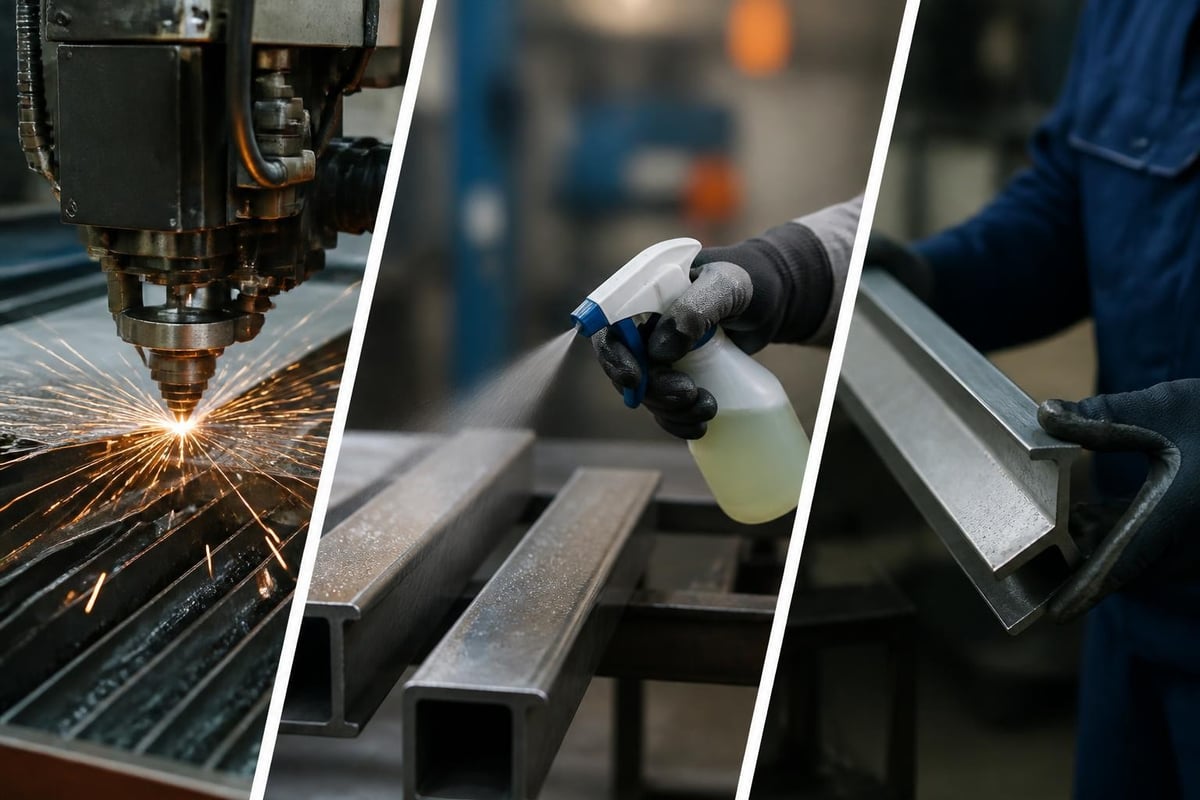
Quality control procedures must adapt to water-based protection systems. Unlike oil films visible through characteristic sheen, water based rust inhibitor protection appears invisible on treated parts. Fluorescent tracer dyes enable UV inspection verification, confirming complete coverage before parts enter storage or shipment.
Storage and Handling Best Practices
Proper storage and handling maximize water based rust inhibitor shelf life and performance consistency. Concentrated products typically remain stable for 12-24 months when stored at controlled temperatures between 40°F and 100°F. Freezing can destabilize emulsions and precipitate active ingredients, requiring thorough mixing before use if freezing occurs.
Diluted working solutions prove more sensitive than concentrates. Bacterial contamination becomes the primary concern, particularly in warm environments. Regular biocide additions maintain solution integrity, while routine pH and concentration monitoring ensure consistent protection levels. Most facilities replace working solutions every 3-6 months regardless of contamination levels.
Stainless steel or high-density polyethylene tanks provide ideal storage for both concentrates and working solutions. Carbon steel tanks require protective coatings or liners preventing rust contamination that degrades solution quality and reduces protection effectiveness.
Troubleshooting Common Performance Issues
Even well-designed water based rust inhibitor systems occasionally encounter performance problems. Systematic troubleshooting identifies root causes and implements effective corrective actions.
Premature rust formation typically indicates insufficient concentration, contaminated solution, or inadequate surface preparation. Testing solution concentration resolves the first possibility. If concentration proves adequate, bacterial contamination or metal working fluid dragout may have degraded inhibitor effectiveness. Fresh solution application on properly cleaned test panels confirms whether the problem stems from solution quality or surface contamination.
Staining or discoloration on protected parts suggests chemical incompatibility or excessive concentration. Certain inhibitor chemistries react with specific steel alloys, creating colored surface films. Reducing concentration or reformulating with alternative inhibitor chemistry typically resolves these issues.
Poor film formation manifests as incomplete coverage with dry spots lacking protection. Water quality issues, insufficient surfactant levels, or contamination with oils or greases prevent proper wetting and film development. Surface cleaning improvements and water quality optimization address most film formation problems.
Problem | Likely Cause | Solution |
Rapid rust | Low concentration | Increase to 6-8% |
Staining | Incompatible chemistry | Reformulate inhibitor package |
Poor coverage | Contaminated surface | Improve cleaning process |
Bacterial | Insufficient biocide | Add biocide, replace solution |
Foam issues | Agitation/surfactant imbalance | Add defoamer, reduce agitation |
Transitioning from traditional rust preventatives to water based rust inhibitor systems requires careful cost analysis considering both direct product expenses and broader operational impacts. While water-based formulations may carry higher per-gallon costs than petroleum preventatives, total cost of ownership often favors water-based technology.
Disposal cost savings provide immediate financial benefits. Hazardous waste disposal for spent petroleum-based preventatives costs $2-$8 per gallon depending on location and contamination levels. Water-based solutions typically dispose at $0.10-$0.50 per gallon as non-hazardous industrial waste, generating substantial annual savings for high-volume operations.
Labor efficiency improvements emerge from simplified application and cleaning processes. Water-based systems eliminate time-consuming solvent wiping and degreasing steps before painting or assembly. Parts rinse clean with simple water spray, reducing preparation time and chemical consumption.
Insurance premium reductions reflect decreased fire hazards and worker exposure risks. Facilities eliminating flammable solvents often negotiate 10-20% reductions in property and liability insurance costs, particularly in jurisdictions with strict workplace safety regulations.
Return on Investment Calculations
A typical mid-size machining operation processing 50,000 parts monthly can expect the following cost comparisons:
Petroleum-based system annual costs:
Product: $12,000
Disposal: $18,000
Labor (cleaning): $24,000
Insurance: $8,000
Total: $62,000
Water based rust inhibitor system annual costs:
Product: $16,000
Disposal: $2,000
Labor (cleaning): $12,000
Insurance: $6,400
Total: $36,400
This analysis demonstrates $25,600 annual savings, providing rapid payback on any conversion equipment investments while delivering environmental and safety benefits that strengthen corporate sustainability profiles.
Future Trends in Water Based Protection Technology
Research and development efforts continue advancing water based rust inhibitor performance and expanding application possibilities. Nano-technology integration represents one promising frontier, with nano-scale inhibitor particles providing enhanced surface coverage and extended protection duration. These advanced formulations create self-healing protective films that automatically repair minor damage.
Bio-based inhibitor chemistry addresses sustainability concerns beyond VOC reduction. Researchers develop effective corrosion inhibitors derived from plant oils, amino acids, and other renewable feedstocks. These formulations match or exceed synthetic inhibitor performance while offering improved biodegradability and reduced environmental persistence.
Smart inhibitor systems incorporating pH-responsive and moisture-activated chemistries provide adaptive protection that intensifies under corrosive conditions. These intelligent formulations conserve active ingredients during benign storage while delivering maximum protection when humidity increases or contaminants appear.
The convergence of digital manufacturing and chemical technology enables IoT-connected monitoring systems that continuously measure solution concentration, pH, conductivity, and contamination levels. Automated dosing systems maintain optimal conditions without manual intervention, ensuring consistent protection quality while minimizing chemical consumption.
Water based rust inhibitor technology delivers the corrosion protection modern manufacturing demands while meeting environmental and safety standards that will only grow stricter in coming years. The performance characteristics, application flexibility, and cost advantages make water-based systems increasingly attractive across metalworking, fabrication, and assembly operations. With over 20 years of experience developing advanced industrial lubrication solutions, Guangzhou Rolitom Lubricant Technology CO.,LTD provides customized rust preventive formulations and additive packages that protect your metal components through every stage of production, storage, and transit. Contact our technical team to identify the optimal corrosion protection strategy for your specific manufacturing environment and metal protection challenges.
Contact: LilyLu
Phone: +86 138 2603 0637
E-mail: lilylu@rolitom.com
Whatsapp:+8613826030637
Add: Room 426, No.1218 Zhongshan Avenue Middle, Tianhe District, Guangzhou City,China
We chat