Manufacturing operations demand exceptional performance from their lubrication systems. An industrial strength lubricant delivers superior protection, extended equipment life, and consistent process reliability across demanding applications. From high-speed cutting operations to heavy-load forming processes, these specialized formulations address challenges that conventional products cannot handle. Understanding the technical requirements, application methods, and performance characteristics of industrial strength lubricants enables manufacturing facilities to optimize operations while reducing downtime and maintenance costs.
Understanding Industrial Strength Lubricant Formulations
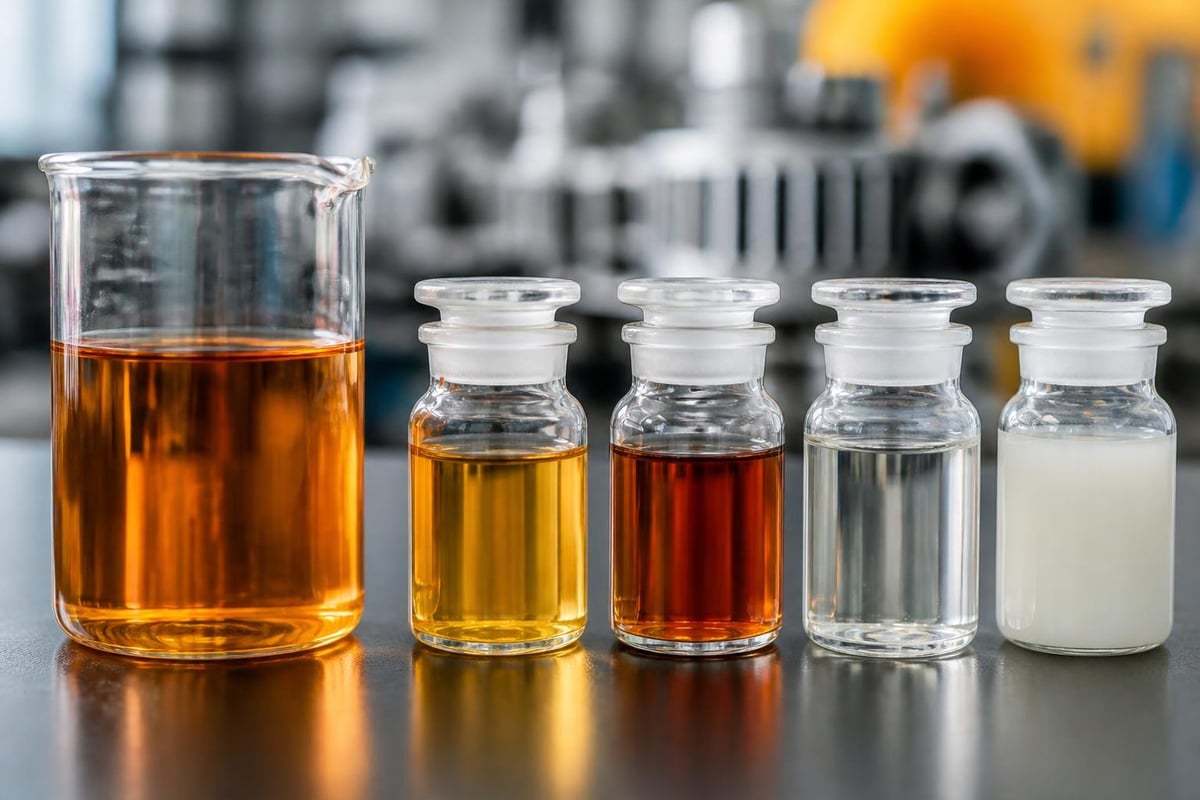
Industrial strength lubricant products are engineered with advanced additive chemistry to withstand extreme pressures, temperatures, and contamination levels encountered in heavy manufacturing environments. The formulation backbone typically combines high-quality base oils with performance-enhancing additive packages designed specifically for industrial applications.
Modern metalworking fluid additive packages incorporate extreme pressure (EP) additives, anti-wear agents, corrosion inhibitors, and emulsifiers that work synergistically to protect metal surfaces during machining operations. These formulations must balance multiple performance requirements while maintaining stability across varying operating conditions.
Key formulation components include:
Base oils ranging from mineral to fully synthetic grades
Extreme pressure additives for boundary lubrication protection
Anti-wear compounds to minimize friction-related damage
Corrosion inhibitors protecting ferrous and non-ferrous metals
Emulsifiers ensuring stable oil-water mixtures
Biocides controlling microbial contamination
The selection of base oil viscosity grade significantly impacts lubricant performance. Higher viscosity formulations provide enhanced load-carrying capacity but may compromise cooling efficiency in high-speed operations. Research in vegetable oil-based nanolubricants demonstrates how alternative base stocks can deliver competitive performance while addressing environmental concerns.
Metalworking Applications Requiring High-Performance Lubrication
Metal cutting and forming operations generate intense heat and pressure at tool-workpiece interfaces, creating conditions where only an industrial strength lubricant can prevent catastrophic tool failure and workpiece damage. These applications span automotive manufacturing, aerospace component production, mold fabrication, and general machining workshops.
Cutting and Grinding Operations
High-speed machining of hardened steels, titanium alloys, and heat-resistant superalloys demands lubricants that maintain film strength under extreme temperatures exceeding 800°C at the cutting edge. The lubricant must simultaneously cool the cutting zone, flush away metal chips, and protect newly machined surfaces from oxidation.
Grinding operations present unique challenges with abrasive wheels generating localized temperatures that can thermally damage workpiece surfaces. A properly formulated industrial strength lubricant provides continuous coolant flow while preventing wheel loading and maintaining dimensional accuracy.
Operation Type | Primary Challenge | Lubricant Requirement |
Turning hardened steel | High cutting forces | EP additives, thermal stability |
Aluminum high-speed milling | Built-up edge formation | Non-ferrous metal protection |
Precision grinding | Thermal damage prevention | Superior cooling capacity |
Deep hole drilling | Chip evacuation | Low foam, high lubricity |
Heavy-Duty Forming Processes
Stamping, drawing, and extrusion operations subject metal sheets and billets to tremendous compressive forces. The lubricant film must prevent metal-to-metal contact between tooling and workpiece while withstanding pressures that can reach several thousand MPa in localized contact zones.
Drawing operations for wire and tube production require consistent lubrication across extended die contact lengths. Any film breakdown results in surface scoring, dimensional variations, and potential die damage requiring costly production interruptions.
Rust Prevention in Manufacturing and Storage
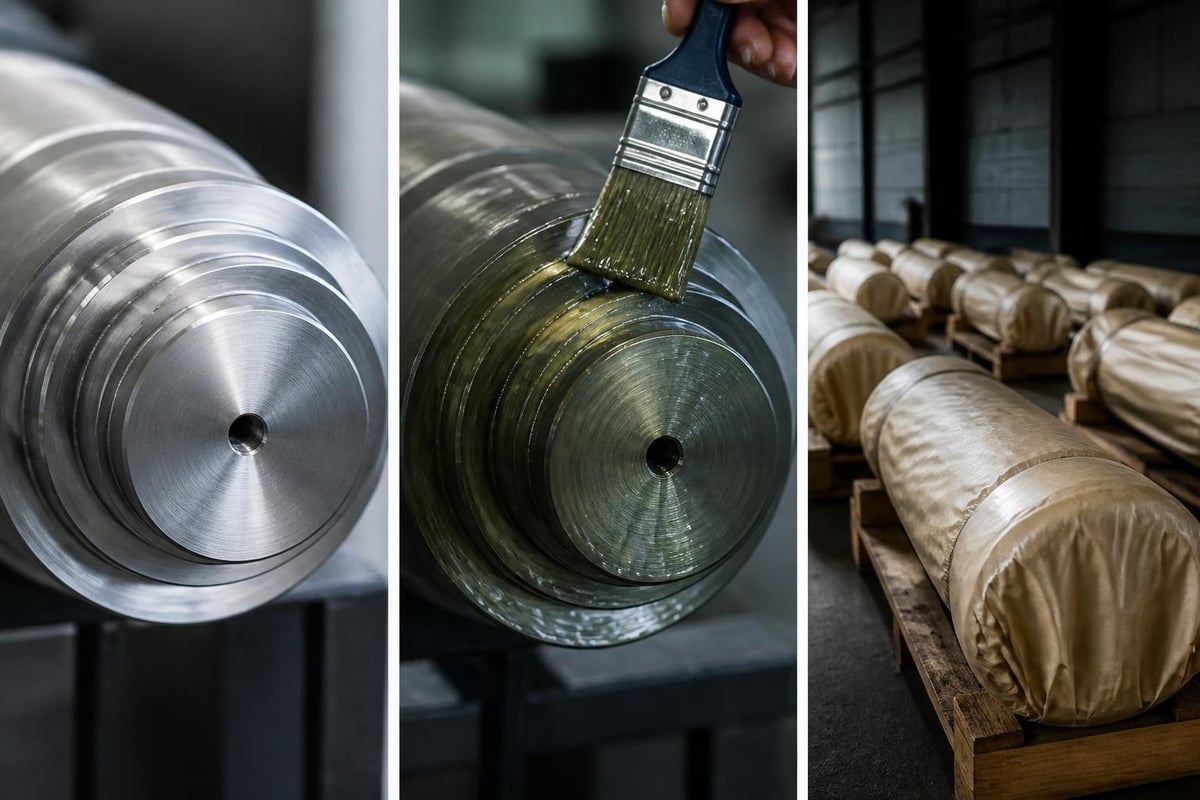
Protecting metal components from corrosion during production, storage, and transit represents a critical function of industrial strength lubricant systems. Ferrous metals exposed to atmospheric humidity, process coolants, or handling contact require robust corrosion protection extending from hours to multiple years depending on application requirements.
Water-based MetalWorking Fluids must incorporate powerful corrosion inhibitors maintaining protection even in the presence of aggressive coolant chemistries. These formulations face additional challenges from bacterial contamination, hard water minerals, and temperature fluctuations affecting inhibitor effectiveness. Innovations in ionic liquid additives show promising developments for enhanced corrosion protection mechanisms.
Rust preventive performance factors:
Salt spray resistance measured in hours before first rust appearance
Humidity cabinet performance under 100% relative humidity
Water displacement capability on wet metal surfaces
Film thickness and coverage uniformity
Indoor versus outdoor protection duration
Manufacturers selecting Rust Preventive Additive Packages must evaluate specific storage conditions, metal substrate types, and protection duration requirements. Calcium-based formulations offer excellent environmental profiles while barium-based systems deliver superior salt spray resistance for demanding coastal or marine-adjacent facilities.
Die Casting Lubrication Requirements
Aluminum and zinc die casting operations expose lubricants to molten metal temperatures exceeding 650°C, requiring specialized formulations capable of withstanding thermal shock while providing effective mold release. An industrial strength lubricant designed for die casting must create a stable barrier film preventing molten alloy adhesion without compromising casting surface quality.
The release agent must rapidly evaporate water carriers upon contact with heated die surfaces, leaving behind a thin lubricating film that facilitates part ejection. This film protects die surfaces from thermal fatigue cracking, soldering, and erosion caused by repeated molten metal contact.
Water-based release agents dominate modern die casting facilities due to superior cooling properties and reduced smoke generation compared to oil-based alternatives. These formulations incorporate specialized emulsifiers, wetting agents, and film-forming polymers delivering consistent performance across thousands of casting cycles.
Process parameters significantly impact release agent effectiveness, including spray pattern uniformity, dilution ratio accuracy, and die surface temperature management. Inadequate lubrication causes casting defects such as surface staining, dimensional variations, and increased scrap rates.
Selection Criteria for Heavy-Duty Industrial Applications
Choosing the appropriate industrial strength lubricant requires systematic evaluation of operational parameters, equipment specifications, and performance objectives. Manufacturing engineers must balance competing priorities including machining efficiency, tool life extension, surface finish quality, and total cost of ownership.
Performance Testing and Validation
Laboratory testing provides baseline performance data, but real-world validation under actual production conditions remains essential. Pilot testing protocols should evaluate lubricant performance across representative workpiece materials, cutting parameters, and machine tool configurations.
Critical test parameters include:
Tool wear progression measured at regular intervals
Surface roughness values on machined components
Coolant sump life and stability monitoring
Microbial contamination levels over time
Operator acceptance regarding odor, skin contact, and visibility
Recent developments in polyoxometalate-ionic liquid additives demonstrate how emerging technologies may enhance industrial strength lubricant capabilities, though practical implementation timelines remain uncertain for many manufacturing facilities.
Economic Considerations
Total cost analysis extends beyond initial purchase price to encompass dilution ratios, sump life, waste disposal expenses, and productivity impacts. A premium industrial strength lubricant delivering 50% longer tool life and reduced machine downtime often provides superior economic returns compared to lower-cost alternatives requiring frequent replacement.
Cost Factor | Budget Product | Premium Product | Impact |
Unit price per liter | Lower | Higher | Initial outlay |
Recommended dilution | 5-10% | 3-5% | Concentrate usage |
Average sump life | 3-6 months | 9-12 months | Changeout frequency |
Tool life extension | Baseline | +30-50% | Tooling budget |
Manufacturers must also consider regulatory compliance costs, including waste treatment requirements and occupational health standards. Formulations meeting environmental regulations may command price premiums but eliminate future compliance risks and potential fines.
Advanced Formulation Technologies
The industrial strength lubricant market continues evolving through incorporation of nanotechnology, bio-based components, and synthetic chemistry innovations. These advances target improved environmental profiles, enhanced performance characteristics, and adaptation to new manufacturing processes including additive manufacturing and advanced composite machining.
Nanomaterial additives demonstrate potential for significant friction reduction and wear protection enhancement at lower concentration levels compared to conventional additives. However, cost considerations and long-term stability questions limit widespread commercial adoption in cost-sensitive industrial markets.
Bio-based lubricants derived from renewable feedstocks offer reduced environmental impact and improved biodegradability. Performance gaps compared to petroleum-based formulations continue narrowing as additive chemistry advances address historical limitations in oxidation stability and low-temperature fluidity.

Quality Control and Maintenance Practices
Maintaining industrial strength lubricant performance throughout its service life requires disciplined monitoring and maintenance protocols. Coolant degradation from microbial growth, tramp oil contamination, and additive depletion gradually erodes performance, leading to quality issues and potential equipment damage.
Essential maintenance practices include:
Daily concentration checks using refractometer measurements
Weekly pH monitoring ensuring proper alkalinity levels
Bi-weekly microbial testing with dip slides or ATP meters
Monthly comprehensive fluid analysis including additive levels
Quarterly sump cleaning and system inspection
Proper coolant concentration management directly impacts both performance and cost. Under-diluted fluids waste expensive concentrate while over-dilution compromises lubrication and corrosion protection. Automatic concentration control systems eliminate manual mixing errors while ensuring consistent performance.
Tramp oil contamination from machine way lubes and hydraulic leakage accumulates on coolant surfaces, promoting bacterial growth and reducing cooling efficiency. Mechanical skimmers, coalescers, and centrifugal separators remove tramp oil, extending fluid life and maintaining machining quality. Research into advanced surface technologies may yield future solutions for contamination management.
Industry-Specific Application Guidelines
Different manufacturing sectors impose unique requirements on industrial strength lubricant selection and application. Automotive production emphasizes high-volume consistency and cost efficiency, while aerospace machining prioritizes surface integrity and traceability. Understanding these sector-specific demands ensures optimal lubricant selection.
Automotive Component Manufacturing
High-production automotive machining operations processing cast iron engine blocks, aluminum cylinder heads, and steel transmission components require versatile formulations handling diverse materials in rapid succession. The industrial strength lubricant must deliver stable performance across extended production runs while maintaining compatibility with multiple metal alloys.
Lean manufacturing principles demand minimal changeovers and maximum uptime. Coolant systems serving multiple machines through central distribution networks require exceptional stability and contamination resistance to prevent system-wide failures.
Precision Mold and Die Fabrication
Mold makers working hardened tool steels demand industrial strength lubricants providing excellent surface finish capability and dimensional accuracy. EDM operations may follow traditional machining, requiring coolant compatibility with electrical discharge machining dielectric fluids to prevent cross-contamination issues.
Complex three-dimensional geometries with deep cavities challenge coolant delivery systems. High-pressure through-spindle coolant application requires low-foam formulations maintaining performance under extreme pressure delivery conditions.
When formulating custom solutions, lubricant manufacturers often leverage metalworking fluid additive packages to build application-specific products meeting exact customer requirements. These concentrated packages provide formulators with proven chemistry platforms, reducing development time and ensuring consistent performance.
Environmental and Regulatory Compliance
Industrial strength lubricant formulations face increasing regulatory scrutiny regarding worker safety, environmental impact, and disposal requirements. Compliance with OSHA workplace exposure limits, EPA discharge standards, and international REACH regulations shapes product development and selection decisions.
Eliminating hazardous components including chlorinated paraffins, nitrite corrosion inhibitors, and heavy metal additives addresses health concerns while meeting environmental standards. Alternative chemistries must match or exceed performance of restricted materials without significantly increasing costs.
Wastewater treatment requirements directly impact operating expenses for water-based metalworking fluids. Formulations designed for improved biodegradability and reduced chemical oxygen demand simplify disposal while lowering treatment costs. Facilities should verify lubricant compatibility with existing wastewater treatment infrastructure before implementation.
Safety Data and Handling Protocols
Proper industrial strength lubricant handling protects worker health and prevents environmental releases. Safety Data Sheets provide essential information regarding hazard classification, exposure controls, and emergency response procedures that must be readily accessible to all personnel.
Skin contact with metalworking fluids can cause dermatitis in sensitive individuals. Implementing proper housekeeping practices, providing barrier creams, and ensuring adequate washing facilities minimize occupational health risks while maintaining productivity.
Troubleshooting Common Performance Issues
Even properly selected industrial strength lubricants may encounter performance problems stemming from application errors, contamination events, or changing operating conditions. Systematic troubleshooting identifies root causes and implements corrective actions preventing recurrence.
Common issues and solutions:
Excessive foaming - Reduce concentration, check for soft water conditions, verify proper coolant level, eliminate air leaks in delivery system
Rapid bacterial growth - Improve housekeeping, verify biocide levels, check pH maintenance, eliminate dead zones in sump
Poor surface finish - Increase concentration, verify proper coolant flow rate, inspect filtration system, check for contamination
Corrosion on machined parts - Test pH levels, verify inhibitor concentration, check for galvanic coupling, improve part drying
Short tool life - Confirm adequate lubricity, verify concentration accuracy, check delivery pressure, evaluate cutting parameters
Documenting operational parameters during problem-free periods establishes baseline references for troubleshooting when issues arise. Detailed maintenance logs tracking concentration adjustments, additive additions, and performance observations enable trend analysis identifying gradual degradation before critical failures occur.
Future Developments in Industrial Lubrication
Emerging manufacturing technologies including advanced materials processing, automated production systems, and sustainability initiatives drive continued innovation in industrial strength lubricant development. Next-generation formulations must address increasingly stringent performance requirements while meeting environmental objectives and cost constraints.
Smart manufacturing integration enables real-time lubricant monitoring through IoT sensors tracking concentration, temperature, contamination levels, and performance indicators. Predictive analytics identify optimization opportunities and prevent failures through early intervention based on trending data patterns.
Additive manufacturing introduces unique lubrication challenges for support removal, surface finishing, and component machining operations on printed parts. Specialized formulations addressing metal powder interactions and novel alloy compositions expand application possibilities.
Manufacturers exploring comprehensive lubricant solutions benefit from technical partners offering both standard products and custom formulation capabilities addressing specific application requirements. This collaborative approach ensures optimal performance while minimizing implementation risks and development timelines.
Selecting and maintaining the right industrial strength lubricant significantly impacts manufacturing efficiency, product quality, and operational costs across metalworking, rust prevention, and die casting applications. Success requires understanding formulation chemistry, application requirements, and maintenance best practices specific to your operations. For over 20 years, Guangzhou Rolitom Lubricant Technology CO.,LTD has delivered specialized industrial lubrication solutions including metalworking fluids, rust preventive oils, and customizable additive packages engineered for demanding manufacturing environments. Contact their technical team to discuss how their expertise can optimize your lubrication performance.
Contact: LilyLu
Phone: +86 138 2603 0637
E-mail: lilylu@rolitom.com
Whatsapp:+8613826030637
Add: Room 426, No.1218 Zhongshan Avenue Middle, Tianhe District, Guangzhou City,China
We chat