Metal corrosion represents one of the most persistent challenges in industrial manufacturing, causing billions in material losses annually across metalworking, automotive, aerospace, and heavy equipment sectors. Rust preventive oil serves as the frontline defense against oxidation, providing a protective barrier that shields ferrous and non-ferrous components during production, storage, and transportation. Understanding the chemistry, application methods, and performance standards for these specialized formulations has become essential for engineers, production managers, and industrial buyers seeking to minimize corrosion-related downtime and preserve component integrity throughout the supply chain.
Understanding Rust Preventive Oil Chemistry and Mechanisms
Rust preventive oil works through multiple protective mechanisms that create both physical and chemical barriers against moisture and atmospheric contaminants. The formulation typically consists of a refined base oil combined with corrosion inhibitors, polar additives, and film-forming agents that work synergistically to displace water and neutralize corrosive elements on metal surfaces.
The base oil selection plays a critical role in determining the protective film thickness, durability, and ease of removal. Mineral oils ranging from 150SN to 500SN provide the foundation for most industrial rust preventive formulations, offering different viscosity grades for specific applications. Higher viscosity grades create thicker protective films suitable for long-term outdoor storage, while lighter formulations provide thin, nearly invisible coatings ideal for precision components that require minimal residue.
Corrosion inhibitors represent the active chemistry within rust preventive oil formulations:
Polar compounds that adsorb onto metal surfaces through chemical bonding
Neutralizing agents that counteract acidic contaminants from manufacturing processes
Water displacement additives that break the contact between moisture and metal
Film-forming polymers that enhance barrier protection and durability
The protective mechanism begins when the oil is applied to the metal surface. Polar molecules within the formulation migrate to the metal interface, creating a tightly bonded monomolecular layer. This primary layer serves as the anchor for subsequent oil molecules, building a continuous film that prevents oxygen and water vapor from reaching the metal substrate. Research published in the Journal of Corrosion Science and Engineering demonstrates how different oil compositions affect the thickness and stability of these protective films.
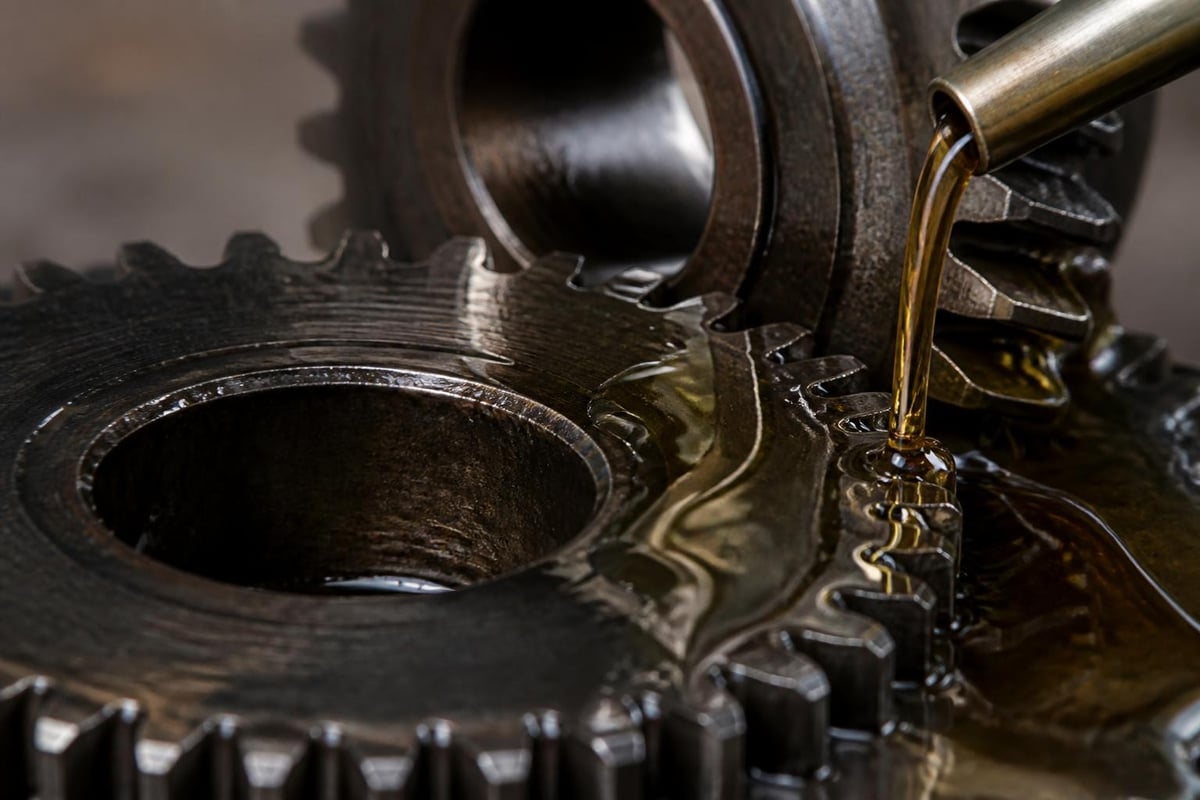
Classification Systems for Industrial Applications
Rust preventive oils are classified by protection duration, film characteristics, and removal requirements. Understanding these classifications helps match the correct product to specific operational needs.
Classification Type | Characteristics | Typical Applications | Protection Duration |
Soft Film (Thin) | Easy removal with solvents | Precision parts, bearings | 6-12 months indoor |
Medium Film | Balanced protection/removal | General machined components | 12-18 months indoor |
Hard Film | Requires hot alkaline cleaning | Outdoor storage, heavy machinery | 24+ months outdoor |
Solvent-Based | Quick drying, thin uniform film | Complex geometries | 6-12 months indoor |
Water-Displacing | Removes residual moisture | Post-washing protection | 3-6 months indoor |
Solvent-based formulations offer advantages in coverage uniformity and quick drying characteristics, making them particularly suitable for components with complex geometries or deep recesses where draining is difficult. However, environmental regulations and workplace safety concerns have driven increased adoption of high-flash-point mineral oil formulations that reduce VOC emissions while maintaining protective performance.
Manufacturers often encounter situations where components undergo multiple handling stages before final assembly or shipment. In these scenarios, selecting a rust preventive oil that balances protection with ease of removal becomes critical. Excessive film thickness may interfere with subsequent operations like painting, welding, or precision assembly, while inadequate protection risks corrosion damage during interim storage periods.
Performance Testing and Quality Standards
Validating rust preventive oil performance requires rigorous laboratory testing that simulates real-world storage and handling conditions. Industry standards provide reproducible methods for comparing products and establishing minimum performance benchmarks for procurement specifications.
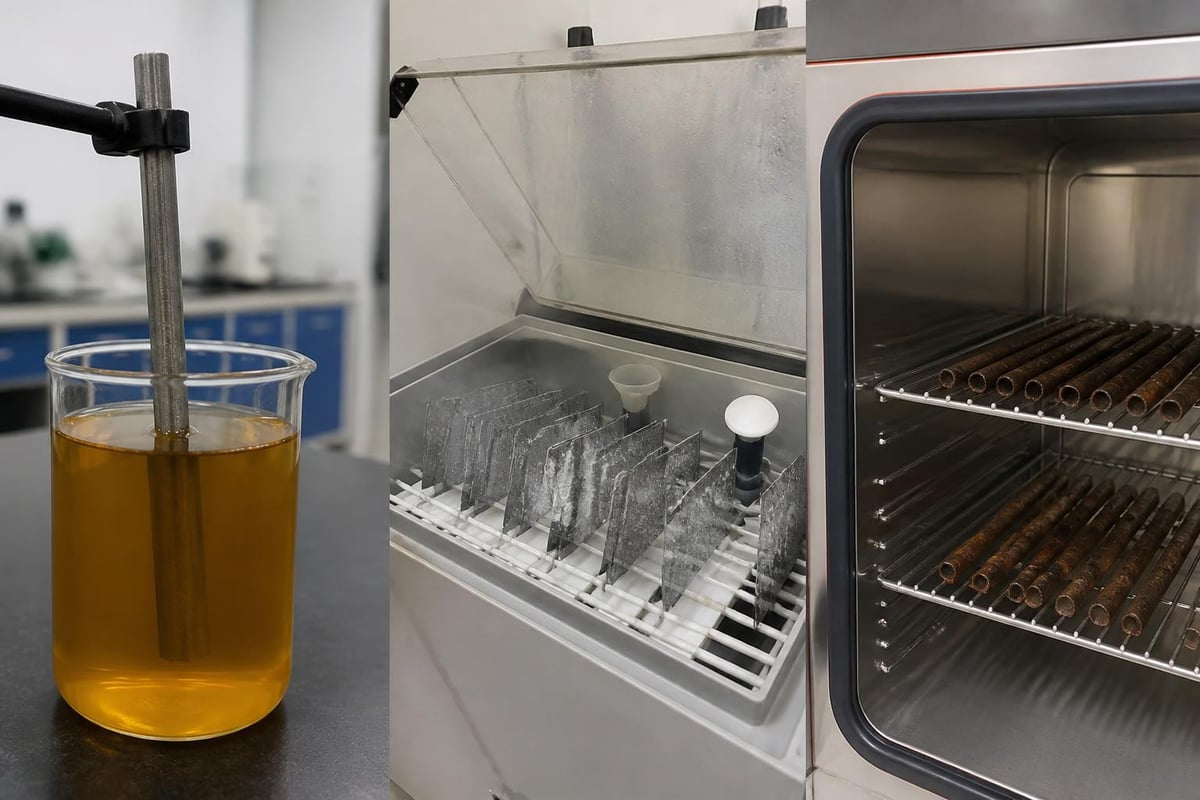
The ASTM D665 standard test method represents the most widely recognized procedure for evaluating rust preventive characteristics in the presence of water. This test involves immersing a polished steel rod in the oil-water mixture under controlled temperature conditions, then examining for rust formation after a specified period. Results are reported as "pass" (no rust) or "fail" (rust present), providing a binary assessment of minimum protective capability.
Salt spray testing offers a more aggressive evaluation methodology that better represents coastal or marine environments. Components coated with rust preventive oil are placed in a chamber where atomized salt solution continuously contacts the protected surface. Testing durations range from 48 hours for basic indoor protection to 500+ hours for heavy-duty formulations designed for offshore storage and shipment.
Advanced Testing Protocols for Specialized Applications
Beyond standard tests, specialized applications require additional evaluation criteria:
Humidity cabinet testing at 95-100% relative humidity and elevated temperatures
Water displacement efficiency measured by applying oil over wet surfaces
Fingerprint neutralization testing for protection against corrosive residues from handling
Compatibility testing with plastics, elastomers, and painted surfaces
The Ball Rust Test (BRT) outlined in ASTM D6557 provides a quantitative method for comparing rust preventive capabilities, particularly useful for automotive and engine oil applications. This procedure measures the time required for rust formation on a bearing ball under controlled conditions, offering a numeric value for comparing formulation performance rather than simple pass/fail results.
Performance validation must also consider application-specific factors like film adhesion under vibration, resistance to washing from rain or condensation, and thermal stability across temperature ranges encountered during transportation and storage. Components shipped via ocean freight face particularly challenging conditions, with temperature cycling between hot cargo holds and cold deck exposure creating condensation that can compromise inferior protective films.
Application Methods and Surface Preparation Requirements
Effective rust prevention begins with proper surface preparation and appropriate application techniques. Even the highest-performance rust preventive oil cannot protect inadequately prepared metal surfaces where contaminants, scale, or residual moisture prevent proper film formation.
Pre-application surface preparation steps include:
Removal of machining fluids and cutting oils through alkaline cleaning or solvent degreasing
Elimination of mill scale and oxide layers via mechanical or chemical descaling
Complete moisture removal through air drying or thermal dehydration
Surface activation timing to prevent flash rust formation before oil application
Application methods vary based on component size, geometry, production volume, and required film thickness. Dip coating provides the simplest approach for batch processing, where parts are immersed in heated rust preventive oil tanks, then allowed to drain. Temperature control between 60-80°C reduces viscosity for improved penetration into threaded holes and blind cavities while promoting drainage of excess oil.
Spray application offers advantages for large assemblies or continuous production lines where dip tank size becomes prohibitive. Airless spray systems deliver consistent film thickness with minimal overspray, reducing material waste and environmental emissions. The spray pattern, pressure, and nozzle distance must be optimized for each component geometry to ensure complete coverage without excessive pooling in horizontal surfaces.
Advanced Application Techniques for Complex Geometries
Modern metalworking facilities increasingly utilize automated application systems that integrate rust preventive oil application into production workflows. Robotic spray systems equipped with vision guidance can adapt spray patterns to complex three-dimensional geometries, ensuring complete coverage while minimizing material consumption. These systems integrate with manufacturing execution software, automatically documenting protection application for quality traceability.
Electrostatic spray application represents an emerging technology that charges oil droplets to create electrical attraction toward grounded metal surfaces. This approach achieves superior coverage of internal cavities and hidden surfaces while reducing material usage by 30-40% compared to conventional spray methods. The charged droplets naturally seek uncoated areas, creating more uniform films with fewer missed spots.
For components requiring ultra-thin films or those sensitive to excess oil residue, vapor phase application provides an alternative approach. The rust preventive oil is vaporized in a heated chamber, allowing the vapors to condense uniformly on cooler metal surfaces. This method creates exceptionally thin, uniform films ideal for precision bearings, optical components, and electronics housings where minimal contamination is essential.
Formulation Chemistry and Additive Selection
The performance characteristics of rust preventive oil depend heavily on the additive package chemistry selected during formulation development. Industrial lubricant manufacturers invest significant resources in optimizing additive combinations that deliver target protection levels while meeting cost, environmental, and handling requirements.
Sulfonates represent one of the most effective classes of rust inhibitors, offering excellent water displacement and film-forming properties. Calcium, barium, and sodium petroleum sulfonates each provide distinct performance characteristics. Barium sulfonates deliver superior salt spray resistance and thin film protection, making them popular for precision component applications. Calcium sulfonates offer a more environmentally acceptable alternative with excellent hard water tolerance, particularly important for formulations that may contact residual wash water.
Modern formulation requirements increasingly emphasize environmental sustainability and worker safety. Traditional rust preventive oils containing barium compounds face regulatory scrutiny in many regions due to heavy metal content. Advanced additive packages like the Calcium Salt Based Rust Preventative Package RP620 provide heavy metal-free and barium-free alternatives that maintain superior salt spray resistance while supporting eco-friendly manufacturing initiatives. These calcium-based systems deliver 12+ months indoor storage protection with excellent water displacement characteristics and compatibility with both mineral and solvent base oils.
Emerging Formulation Trends and Bio-Based Alternatives
Environmental regulations and corporate sustainability commitments drive innovation in rust preventive oil chemistry. Bio-based formulations utilizing renewable feedstocks offer reduced carbon footprints compared to petroleum-derived products. Biobased alternatives like EcoLine® 3690 demonstrate that plant-derived base oils combined with appropriate inhibitor packages can match or exceed the performance of conventional mineral oil formulations.
Next-generation additive technologies focus on:
Multi-functional additives that provide both rust prevention and lubrication
Self-healing films that repair minor damage through molecular migration
Smart coatings incorporating corrosion indicators that signal protection degradation
Nano-enhanced formulations utilizing microscopic particles for improved barrier properties
The formulation development process must balance multiple performance criteria including rust protection, ease of application, removal characteristics, material compatibility, and cost effectiveness. Industrial buyers increasingly request technical data sheets showing not just standard test results but also performance in conditions matching their specific operational environment. Customized formulations developed for particular applications often outperform general-purpose products by optimizing chemistry for the exact metals, storage conditions, and protection duration required.
Selection Criteria for Industrial Applications
Choosing the appropriate rust preventive oil requires careful analysis of operational requirements, environmental conditions, and downstream processing needs. A systematic selection process considers multiple factors that influence both protection effectiveness and total cost of ownership.
Primary selection criteria include:
Metal substrate composition (carbon steel, alloy steel, cast iron, non-ferrous metals)
Storage environment (indoor climate-controlled, unheated warehouse, outdoor exposed)
Protection duration required before use or further processing
Handling frequency and potential for mechanical damage to protective film
Subsequent operations requiring oil removal or compatibility
Components manufactured from different metals often require specialized formulations. While ferrous metals face oxidation as the primary threat, non-ferrous materials like aluminum, copper, and zinc alloys require inhibitors that prevent tarnishing and intermetallic corrosion without causing staining or discoloration. Mixed-metal assemblies present particular challenges, requiring rust preventive oils that protect all materials without adverse reactions at contact points.
Economic Considerations and Total Cost Analysis
Purchase price per liter represents only one component of the total economic equation. A comprehensive cost analysis examines material consumption rates, labor for application and removal, waste disposal expenses, and potential losses from corrosion damage. Higher-performance premium formulations often deliver lower total costs through extended protection, reduced application frequency, and easier removal processes.
Cost Factor | Economy Grade | Premium Grade | Impact Analysis |
Material cost per kg | Lower | Higher | 20-30% difference |
Coverage rate (m²/kg) | 8-12 | 15-25 | 2x efficiency |
Protection duration | 6 months | 18-24 months | 3-4x longevity |
Removal labor time | High (alkaline cleaning) | Low (solvent wipe) | 50% reduction |
Corrosion failure rate | 2-3% | <0.5% | 75% reduction |
Five key applications of rust preventive oil span automotive manufacturing, spare parts storage, machinery export, bearing preservation, and metal fabrication. Each application presents unique requirements for film thickness, protection duration, and removal characteristics that influence product selection.
For manufacturers operating integrated metalworking fluid systems, compatibility between cutting fluids and rust preventive oils becomes critical. Components may require interim rust protection between machining operations, particularly in facilities where work-in-process inventory remains exposed for extended periods. Water-based MetalWorking Fluids leave metal surfaces vulnerable to flash rusting within hours if not immediately protected with appropriate rust preventive formulations.
Industry-Specific Requirements and Customization
Different industrial sectors impose unique requirements on rust preventive oil performance based on their specific operational challenges and quality standards. Understanding these sector-specific needs enables more targeted product selection and formulation optimization.
Automotive and Heavy Equipment Manufacturing
Automotive component manufacturers face stringent cleanliness requirements for parts entering assembly operations. Rust preventive oils must protect stamped panels, machined components, and sub-assemblies during inter-plant transportation while being easily removable without leaving residues that interfere with welding, painting, or adhesive bonding. Thin-film formulations that evaporate cleanly or remove with mild alkaline cleaners dominate this sector.
Engine block and cylinder head foundries require specialized formulations that protect cast iron surfaces during cooling, cleaning, and machining operations. These environments expose components to high humidity, temperature variations, and residual moisture from core sand removal processes, demanding rust preventive oils with superior water displacement and rapid film formation characteristics.
Aerospace and Defense Applications
The aerospace industry imposes the most demanding rust preventive oil requirements, with extensive qualification testing and strict material traceability. Research on rust preventive lubricating oils for reciprocating aircraft engines addresses the critical challenge of preventing internal corrosion during extended storage periods while maintaining compatibility with engine seals, bearings, and combustion chamber materials.
Military specifications like MIL-PRF-16173 Grade 3 define precise performance requirements including humidity cabinet testing, salt spray resistance, and compatibility with specific metals and protective coatings. These formulations must function across extreme temperature ranges from arctic to desert environments while maintaining film integrity under vibration and mechanical stress during transportation.
Specialized aerospace requirements:
Low volatility to prevent film degradation in unpressurized cargo holds
Neutral pH to avoid stress corrosion cracking in high-strength aluminum alloys
Hydrogen embrittlement resistance for ultra-high-strength steels
Fungal growth inhibition for long-term tropical storage
Precision Component and Bearing Manufacturing
Bearing manufacturers require ultra-thin rust preventive films that protect precision ground surfaces without interfering with dimensional tolerances or subsequent assembly operations. Film thickness typically ranges from 1-5 microns, demanding specialized application equipment and formulations with excellent spreadability. These products must also provide neutral behavior toward bearing steels and anti-friction coatings.
Tool and die manufacturers face similar requirements for protecting finished molds, dies, and precision tooling during storage between production campaigns. The rust preventive oil must preserve micro-finish surface quality while being easily removable before the next production run without requiring abrasive cleaning that could damage critical surfaces.
Integration with Manufacturing Processes
Successful rust prevention requires integration into comprehensive corrosion control programs that address every stage of the manufacturing and distribution cycle. Isolated application of rust preventive oil cannot overcome upstream contamination or inadequate handling practices that compromise protection.
Integrated corrosion control elements:
Incoming material inspection to verify mill-applied protection and remove degraded coatings
In-process protection between manufacturing operations requiring temporary rust prevention
Post-processing application following washing, heat treatment, or surface finishing
Packaging coordination ensuring protective films remain intact through distribution
Warehouse environmental control maintaining optimal temperature and humidity levels
The transition from cutting and grinding operations to rust preventive oil application represents a critical control point. Residual water-based metalworking fluids must be thoroughly removed and surfaces completely dried before oil application. Many facilities implement automated systems that integrate washing, drying, and oil application in continuous lines, minimizing exposure time where unprotected metal surfaces could develop flash rust.
Quality control procedures should verify both the rust preventive oil properties and the effectiveness of protection on actual components. Routine testing of oil bath concentration, contamination levels, and protective performance ensures consistent results. Simple coupon tests involving steel panels processed through the protection system and evaluated after controlled storage periods provide early warning of formulation degradation or application deficiencies.
Handling and Storage Best Practices
Rust preventive oil effectiveness depends on proper handling and storage throughout its service life. Contamination with water, metalworking fluids, or atmospheric debris degrades protective performance and may cause premature corrosion on treated components. Closed-loop application systems with filtration minimize contamination while reducing material consumption through recirculation.
Storage tank management practices include:
Temperature maintenance between 15-30°C to prevent viscosity changes
Regular filtration to remove particulate contamination
Periodic water separation to eliminate bottom layer accumulation
Concentration monitoring for evaporative losses in open systems
Scheduled replacement based on bath age and contamination levels
Industrial facilities with diverse product lines often maintain multiple rust preventive oil grades for different protection requirements. Clear identification, segregated storage, and documented application procedures prevent cross-contamination and ensure correct product usage for each application. Companies offering comprehensive Lubricant Additive Packages can support manufacturers in optimizing their rust prevention programs through technical consultation and customized formulation development.
Environmental and Regulatory Considerations
The regulatory landscape surrounding rust preventive oils continues to evolve as environmental agencies worldwide tighten restrictions on volatile organic compounds, hazardous air pollutants, and heavy metal content. Manufacturers must navigate these requirements while maintaining protective performance and operational efficiency.
Key regulatory drivers affecting formulation:
VOC emission limits restricting solvent-based formulations in many jurisdictions
REACH regulations in Europe requiring registration of chemical substances
Heavy metal restrictions eliminating or limiting barium, lead, and chromium compounds
Waste disposal classifications affecting end-of-life handling costs
Worker exposure limits for mist generation during spray application
High-flash-point mineral oil formulations have largely replaced solvent-based products in applications where drying speed is less critical. These formulations maintain excellent protective performance while generating minimal VOC emissions and improving workplace safety through reduced flammability hazards. The trade-off involves slightly longer draining times and potentially thicker films compared to quick-drying solvent types.
Biodegradability represents an increasingly important selection criterion, particularly for facilities implementing comprehensive environmental management systems. While complete biodegradation of hydrocarbon-based rust preventive oils remains challenging, formulations incorporating renewable base stocks and readily biodegradable additives reduce environmental persistence. Development of environmentally friendly rust preventive oils demonstrates that bio-based formulations can achieve comparable protection to conventional products while offering improved environmental profiles.
Waste Management and Recycling Strategies
Used rust preventive oil disposal costs and environmental liability drive interest in waste minimization and recycling strategies. Closed-loop application systems reduce fresh oil consumption by 40-60% compared to once-through processes, with continuous filtration extending bath life indefinitely when properly managed. Oil skimmers can recover floating rust preventive oil from wash water systems, allowing reuse or proper disposal while preventing environmental releases.
Some facilities implement dual-stage protection systems where a heavy-duty rust preventive oil provides long-term storage protection, while a lighter, easily removable formulation protects components during short-term handling and inter-process storage. This strategy optimizes material costs and environmental impact by matching protection level to actual requirements rather than over-protecting all components with heavy-duty formulations.
Effective rust prevention through properly selected and applied rust preventive oil protects substantial capital investments in manufactured components while ensuring product quality throughout the supply chain. The selection process requires balancing protection duration, application methods, removal requirements, and environmental considerations specific to each operational context. Guangzhou Rolitom Lubricant Technology CO.,LTD brings over 20 years of industrial lubrication expertise to help manufacturers optimize their corrosion prevention programs through customized rust preventive formulations, advanced additive packages, and comprehensive technical support tailored to metalworking and manufacturing applications.
Contact: LilyLu
Phone: +86 138 2603 0637
E-mail: lilylu@rolitom.com
Whatsapp:+8613826030637
Add: Room 426, No.1218 Zhongshan Avenue Middle, Tianhe District, Guangzhou City,China
We chat