Manufacturing precision and productivity depend heavily on the proper application of cutting lubricant during machining operations. As metalworking processes become more demanding with harder alloys, tighter tolerances, and faster cutting speeds, the role of cutting fluids has evolved from simple coolants to sophisticated chemical formulations that protect tools, workpieces, and machinery simultaneously. Understanding the science behind these lubricants and selecting the right type for specific applications can dramatically reduce tool wear, improve surface finish quality, and extend equipment life while controlling operational costs.
Understanding Cutting Lubricant Fundamentals
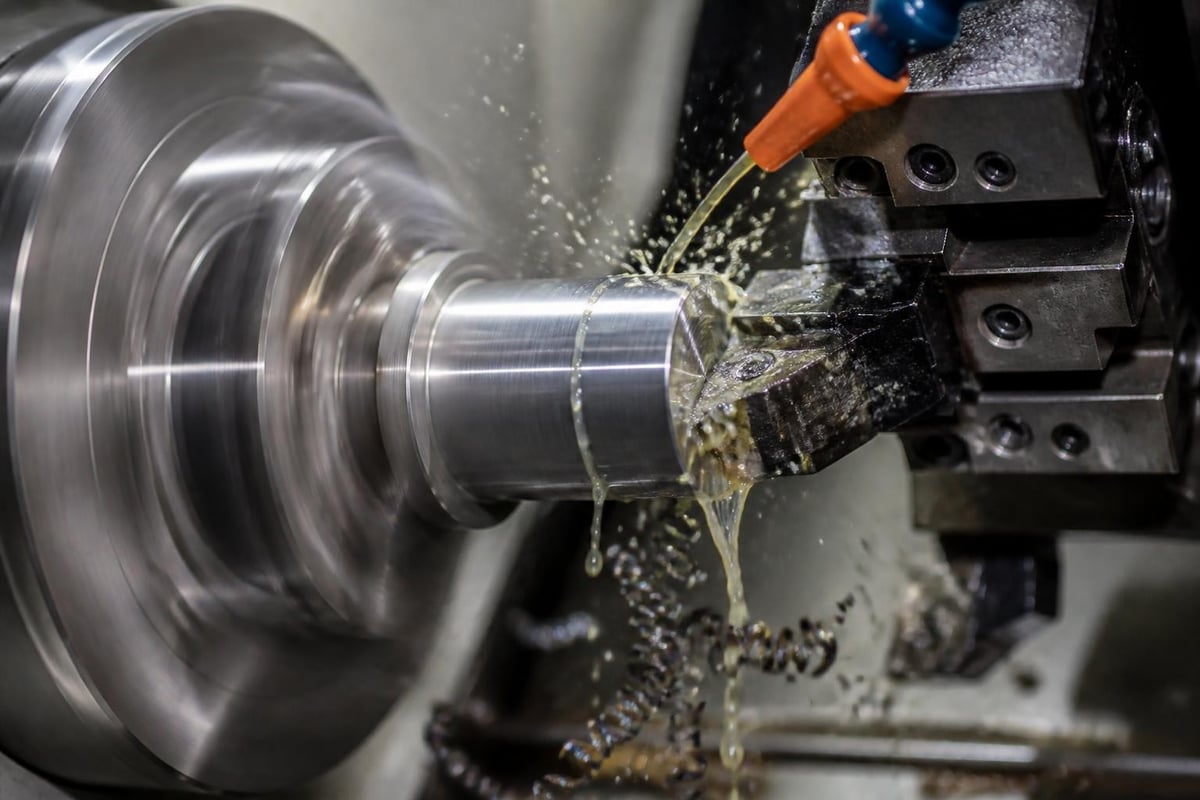
A cutting lubricant serves multiple critical functions during metal removal processes. The primary role involves reducing friction between the cutting tool and the workpiece, which generates substantial heat that can damage both surfaces and compromise dimensional accuracy. Beyond thermal management, these fluids facilitate chip evacuation from the cutting zone, prevent built-up edge formation on tools, and protect freshly machined surfaces from oxidation.
The chemistry of modern cutting lubricants reflects decades of metallurgical research and tribological engineering. Formulations must balance extreme pressure performance with corrosion inhibition, all while maintaining stability under varying temperatures and mechanical stresses. Base oils provide the foundation, while additive packages deliver specialized performance characteristics such as boundary lubrication, metal deactivation, and biocide protection.
Manufacturing facilities today face pressure to optimize both performance and environmental compliance. This dual mandate has driven innovation in MetalWorking Fluids that deliver superior machining results while meeting increasingly strict regulations on worker safety and waste disposal.
 Types of Cutting Lubricant and Their Applications
Straight Oils for Heavy-Duty Operations
Straight cutting oils contain no water and consist of highly refined mineral or synthetic base stocks enhanced with performance additives. These lubricants excel in operations requiring maximum lubricity, such as threading, broaching, and gear cutting where extreme pressure conditions exist. The absence of water eliminates concerns about bacterial growth and corrosion, making straight oils ideal for long-term machine tool protection.
Key advantages include:
Superior lubrication under extreme pressure
Excellent rust prevention on machines and parts
No biological degradation concerns
Extended sump life compared to water-based fluids
Manufacturing operations working with difficult-to-machine materials like stainless steel, titanium alloys, or high-strength tool steels often specify straight oils despite higher fluid costs. The investment pays dividends through extended tool life and improved dimensional control on precision components.
Water-Soluble Cutting Lubricant Systems
Water-based cutting fluids dominate modern machining operations due to their superior cooling capacity and economic advantages. These systems fall into three distinct categories, each engineered for specific performance requirements.
Fluid Type | Oil Content | Characteristics | Best Applications |
Soluble Oils | 60-90% | Milky appearance, excellent lubrication | General machining, grinding |
Semi-Synthetic | 5-50% | Translucent, balanced cooling and lubrication | High-speed operations, aluminum |
Fully Synthetic | 0% | Clear solution, maximum cooling | Grinding, high-speed cutting |
Emulsified cutting lubricant formulations require careful concentration management and regular maintenance to prevent biological contamination. The Emulsified Oil Package 230P represents advanced chemistry in this category, offering stable emulsions with outstanding rust resistance while remaining free of chlorine and nitrite compounds that complicate disposal.
Workshop managers must balance initial cost against total lifecycle expenses when selecting between fluid types. While synthetic fluids typically cost more per gallon, their superior cooling enables faster cutting speeds and reduced tool replacement, often yielding lower cost per part produced.
Semi-Synthetic Formulations for Versatility
Semi-synthetic cutting lubricants bridge the gap between straight oils and full synthetics, combining mineral oil emulsions with synthetic additives. This hybrid approach delivers robust lubrication for moderate-duty operations while maintaining the cooling benefits of water-based systems.
Modern semi-synthetic formulations address the historical challenges of bacterial control and emulsion stability. These fluids maintain performance across temperature fluctuations and resist separation even in hard water conditions common in many manufacturing regions.
 Performance Optimization Through Proper Selection
Matching Lubricants to Workpiece Materials
Different metals respond distinctly to cutting lubricant chemistry. Ferrous materials including carbon steel, alloy steel, and cast iron tolerate a wide range of formulations, though each benefits from specific additive packages optimized for their metallurgy. Steel machining often requires cutting fluids with robust extreme pressure agents to prevent welding at the tool-chip interface.
Non-ferrous metals demand specialized consideration:
Aluminum requires non-staining formulations without sulfur or chlorine
Copper alloys need corrosion inhibitors that prevent tarnishing
Titanium machining benefits from straight oils to minimize thermal shock
Manufacturers processing mixed materials in the same facility face complex decisions. Switching fluids between jobs increases downtime and waste, while universal formulations may compromise optimal performance for specific materials. Many operations resolve this dilemma by selecting high-quality semi-synthetic cutting lubricants that accommodate multiple alloys with acceptable performance across the range.
Operation-Specific Requirements
Machining processes impose different demands on cutting lubricant performance. Turning and milling operations at moderate speeds prioritize lubrication to reduce flank wear and crater formation. Grinding generates extreme temperatures concentrated in small contact zones, requiring maximum cooling capacity to prevent thermal damage and maintain dimensional accuracy.
Threading and tapping represent particularly challenging applications where cutting lubricant must provide extreme pressure protection while maintaining fluidity for chip evacuation from blind holes. These operations frequently specify straight oils or high-concentration soluble oil emulsions to ensure adequate boundary lubrication.
High-speed machining has transformed performance expectations for cutting fluids. Operations running at thousands of surface feet per minute generate heat faster than conventional coolants can dissipate. Fully synthetic formulations with optimized flow characteristics and thermal conductivity enable these aggressive cutting parameters without sacrificing tool life or surface quality.
Extending Cutting Lubricant Service Life
Concentration Control and Monitoring
Water-based cutting lubricant performance depends critically on maintaining proper concentration ratios. Dilute mixtures fail to provide adequate lubrication and corrosion protection, while excessive concentration wastes expensive concentrate and may cause residue buildup or foaming problems.
Essential monitoring practices include:
Daily refractometer readings to track concentration
Weekly pH testing to identify biological contamination
Visual inspection for oil separation or discoloration
Periodic laboratory analysis for additive depletion
Evaporation constantly reduces water content in open sumps, concentrating the fluid beyond optimal levels. Systematic top-off procedures using pre-mixed fluid rather than straight water maintain consistent performance and prevent the concentration fluctuations that accelerate bacterial growth and machine corrosion.
Contamination Management
Foreign materials entering cutting lubricant sumps represent the primary cause of premature fluid failure. Tramp oils from hydraulic leaks or slideway lubricants float on water-based fluids, creating anaerobic conditions that promote bacterial proliferation. Metal fines settle into sumps where they catalyze oxidation and provide nutrients for microorganisms.
Effective contamination control requires multiple defensive layers. Coalescing filters remove tramp oils before they accumulate to problematic levels. Magnetic separators extract ferrous particles continuously during circulation. Proper machine tool housekeeping prevents chips and debris from entering sumps unnecessarily.
Cutting lubricant lifecycle management: concentration monitoring, filtration systems, contamination control, periodic testing, fluid replacement timing
Formulation Chemistry and Additive Technology
Modern cutting lubricant performance derives from sophisticated metalworking fluid additive packages that enhance base fluid capabilities. These concentrated blends contain multiple functional components engineered to work synergistically.
Extreme Pressure and Anti-Wear Agents
Boundary lubrication occurs when metal surfaces come into direct contact despite the presence of fluid. Under these conditions, extreme pressure additives form protective chemical films through reactions with metal surfaces at high temperatures. Traditional formulations relied on chlorinated paraffins and sulfurized fats, but environmental concerns have driven development of more sustainable alternatives.
Phosphorus-based EP agents offer excellent performance with reduced toxicity and improved disposal characteristics. These compounds bond to metal surfaces under pressure, creating low-shear-strength layers that prevent welding and reduce friction. Modern formulations combine multiple EP chemistries to provide protection across varying temperature and pressure conditions encountered during different machining operations.
Corrosion Inhibitors and Metal Deactivators
Freshly machined metal surfaces exhibit high reactivity, particularly when exposed to water-based cutting lubricants. Without adequate corrosion protection, parts develop rust stains within hours of processing, requiring costly rework or scrapping. Advanced corrosion inhibitor packages form monomolecular protective layers that displace water from metal surfaces while remaining permeable to allow subsequent coating or assembly operations.
Non-ferrous metals pose distinct challenges requiring specialized chemistry. Aluminum corrosion inhibitors must prevent both oxidation and chemical etching in alkaline environments. Copper deactivators prevent the catalytic effects that accelerate oxidation when copper alloys are machined in the same fluid used for steel components.
Environmental and Regulatory Considerations
Waste Management and Disposal
Spent cutting lubricant disposal represents a significant operational cost and environmental responsibility. Regulatory frameworks worldwide classify used metalworking fluids as industrial waste requiring proper treatment before discharge. The specific classification depends on formulation chemistry, with chlorinated or heavy-metal-containing fluids facing stricter handling requirements.
Extending fluid life through proper maintenance reduces disposal frequency and associated costs. Filtration, skimming, and biocide treatments can triple or quadruple sump life compared to neglected systems. When replacement becomes necessary, fluid chemistry determines disposal options ranging from municipal wastewater treatment to hazardous waste incineration.
Worker Safety and Exposure Management
Cutting lubricant mist and vapor represent occupational health concerns in machining environments. Respiratory exposure to oil mist has been linked to various pulmonary conditions, while dermal contact can cause irritation or sensitization in susceptible individuals. Modern formulations minimize these risks through careful selection of base oils and additives with favorable toxicological profiles.
Engineering controls including mist collectors and enclosed machining centers reduce airborne exposure. Personal protective equipment provides additional protection, though proper fluid selection remains the primary defense. Low-mist formulations and synthetic fluids that generate minimal vapor at operating temperatures help facilities meet increasingly strict exposure limits while maintaining productivity.
Advanced Application Techniques
High-Pressure Coolant Delivery
Conventional flood cooling delivers cutting lubricant to the tool-workpiece interface at relatively low pressure, relying primarily on thermal transfer rather than mechanical chip breaking. High-pressure coolant systems operating at 1000 PSI or higher transform fluid application by directing concentrated streams directly into the cutting zone.
This directed delivery accomplishes multiple objectives simultaneously. The high-velocity stream provides mechanical assistance for chip breaking, particularly beneficial when machining long-chipping materials. Focused application delivers coolant precisely where heat generation peaks, improving thermal management efficiency. The pressurized stream also clears chips from the cutting zone more effectively than flood cooling, reducing recutting and associated tool wear.
Implementation considerations include:
Specialized tooling with internal coolant passages
High-pressure pumping systems rated for continuous operation
Filtration adequate to prevent nozzle plugging
Compatible cutting lubricant formulations that maintain viscosity under pressure
Minimum Quantity Lubrication Systems
Environmental and economic pressures have driven adoption of minimum quantity lubrication (MQL) technology that applies cutting lubricant in micro-droplet form rather than flood cooling. These systems consume 99% less fluid than conventional application while delivering adequate lubrication for many operations. MQL works particularly well for milling and drilling where coolant access to the cutting zone challenges flood delivery.
Successful MQL implementation requires reformulated cutting lubricants with different chemistry than conventional fluids. These specialized products must provide adequate lubrication at extremely low application rates while avoiding residue buildup that conventional coolant washing would remove. Vegetable-based esters frequently serve as MQL base oils due to superior boundary lubrication and biodegradability.
Quality Assurance and Performance Testing
Manufacturing facilities implementing new cutting lubricant formulations must validate performance through systematic testing. Controlled machining trials establish baseline data for tool life, surface finish, and dimensional accuracy before full-scale deployment. This empirical approach prevents costly production disruptions from inadequate fluid performance.
Critical validation parameters include:
Tool life measured in minutes or parts produced
Surface roughness values across specified feeds and speeds
Dimensional stability on precision components
Chip formation characteristics and evacuation efficiency
Machine cleanliness and residue accumulation
Long-term performance monitoring tracks fluid condition changes and helps optimize maintenance intervals. Trending data on concentration, pH, bacterial counts, and tramp oil accumulation reveals degradation patterns specific to each operation's unique conditions. This intelligence enables predictive maintenance that prevents fluid-related quality issues before they impact production.
Cost Analysis and Total Ownership Economics
Purchase price represents only one component of cutting lubricant total cost. Comprehensive economic analysis must account for consumption rates, disposal expenses, maintenance labor, and the indirect costs of tool wear and scrap generation. A premium fluid that extends tool life by thirty percent while reducing disposal frequency may deliver lower total cost than economy alternatives despite higher per-gallon pricing.
Facilities processing high-value components from expensive alloys should weight fluid cost against the potential scrap expense from a single rust-stained part or dimensional defect. In these applications, cutting lubricant selection becomes a risk management decision where small incremental fluid costs purchase substantial insurance against costly failures.
Additive formulation customization offers another path to cost optimization for high-volume operations. Companies with specialized requirements can work with lubricant additive package manufacturers to develop tailored chemistry that eliminates unnecessary performance characteristics while enhancing critical attributes, often achieving better results at comparable or lower cost than off-the-shelf products.
Selecting and maintaining the optimal cutting lubricant requires balancing technical performance, operational economics, and environmental responsibility across the specific demands of each metalworking application. With over two decades of metalworking fluid expertise, Guangzhou Rolitom Lubricant Technology CO.,LTD develops customized solutions including advanced additive packages and ready-to-use formulations that address the complex challenges facing modern manufacturing operations. Contact their technical team to discuss how specialized cutting lubricant chemistry can optimize your machining performance and reduce total operational costs.
Contact: LilyLu
Phone: +86 138 2603 0637
E-mail: lilylu@rolitom.com
Whatsapp:+8613826030637
Add: Room 426, No.1218 Zhongshan Avenue Middle, Tianhe District, Guangzhou City,China
We chat